
Unique Crochet Patterns for Stuffed Animals You Can Buy Today (and Actually Finish)
You've got a gift deadline, a half-used skein of yarn, and a screenshot of a cute plush you swear you can make. Then you open a pattern and realize it's either too basic to feel special, or so complicated you'll never finish.
This guide is for buying unique crochet patterns for stuffed animals without wasting money on patterns that don't match your skills, yarn, or time. We'll compare the main "types" of unique stuffed animal patterns, show what to check before you buy, and walk through a real decision example so you can pick something you'll love making.
Choose the Right Kind of "Unique" Pattern (a Quick Comparison)
"Unique" can mean totally different things in stuffed animal design. Before you browse, decide what kind of uniqueness you want, because it changes the difficulty, yarn needs, and how the finished toy looks in real life.
Here are the most common pattern styles we see people buy, plus the trade-offs.
- Realistic animals (detailed shaping): Great for "wow" factor. Expect more pieces, more shaping, and more sewing.
- Cartoon-cute (big eyes, simple body): Fast, giftable, and beginner-friendly. Uniqueness comes from color choices and accessories.
- Fantasy mashups (axolotl-dragon, mushroom-bear): Very unique, usually built from standard shapes with a few standout features.
- Mini plush (pocket-sized): Quick wins and good for markets. Small parts can be fiddly, and details may disappear if your yarn is too fluffy.
- Oversized cuddle plush: The best "hug test." Costs more in yarn, and stuffing becomes a real project.
A practical way to choose is to match the pattern style to your goal:
- Choose cartoon-cute or mini if you need something finished this week.
- Choose realistic if you enjoy shaping and don't mind assembly.
- Choose fantasy mashups if you want unique without 25 tiny parts.
If you want help finding places that consistently feel original, our guide on where to buy crochet patterns that feel truly unique pairs well with this article.
What to Check Before You Buy a Stuffed Animal Pattern
A cute listing photo can hide a lot. We sell patterns, and we also crochet constantly, so we've seen the same "surprises" trip people up again and again. The goal is to spot those issues before you hit purchase.

Skill Level Clues That Matter More Than "Beginner/advanced"
Skill labels are inconsistent across designers. Instead, scan the pattern description for these specific clues:
- How many separate pieces you'll make (head, body, limbs, ears, tail, wings).
- How the toy is shaped (simple tubes vs lots of increases and decreases).
- Whether parts are crocheted on (fewer seams) or sewn on (more assembly time).
- Any special techniques like color changes, surface crochet, or working in the front loop only (FLO).
If a pattern uses a technique you haven't tried, that's not a deal-breaker. It just changes your timeline. A "simple" toy with heavy sewing can take longer than a "hard" toy made in one piece.
Yarn Choice Changes the Whole Look
Stuffed animals are sensitive to yarn choice. The exact same pattern can look polished or lumpy depending on fiber and texture.
- Smooth yarn (cotton or acrylic) shows stitches clearly. Great for detailed faces and neat shaping.
- Chenille or velvet yarn looks instantly plush. It also hides stitch definition, which can blur details like toes, stripes, or mouth shaping.
- Fuzzy yarn can be adorable, but it can also make it harder to count stitches.
If the pattern photo uses fuzzy yarn and the pattern relies on tiny details, expect some details to vanish. That's not failure. It's just physics.
The Safety Reality (Especially for Baby Gifts)
If you're making a toy for a baby or toddler, pay attention to how the eyes and decorations are done. Small parts can be a choking hazard.
Many crocheters switch from plastic safety eyes to embroidered eyes for young kids. If you want a formal reference point, the U.S. Consumer Product Safety Commission explains choking hazards and small parts in plain language here: CPSC guidance on choking hazards.
We can't give legal advice for every situation, but if a toy is for a child who still mouths objects, embroidered features are the safer default.
A Worked Example: Pick a Pattern Based on Time, Yarn, and "Sewing Tolerance"
Here's a real-world way to choose between two patterns that are both cute, both unique, and both tempting.
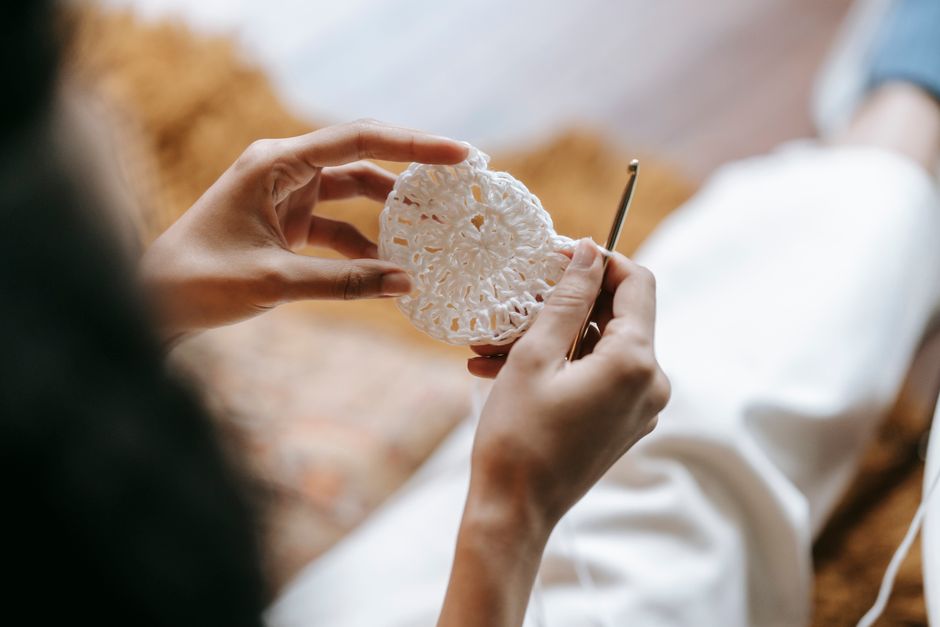
Scenario
You want a birthday gift in 5 days. You have:
- 2 skeins of medium weight acrylic in teal
- A little white and black yarn for details
- About 3 to 4 hours on two evenings
- Low patience for sewing tiny parts
You're choosing between:
- A realistic sea turtle with separate flippers, a layered shell, and a shaped head.
- A fantasy "moon bunny" that's mostly one-piece with ears, then a simple surface detail for the moon.
Decision Framework (What We'd Choose and Why)
With your constraints, the moon bunny wins.
Here's the breakdown:
- Time: Realistic animals often have more parts and more fitting time. That's where hours disappear.
- Yarn: Your teal acrylic will show stitch detail well, but it won't give the "soft plush" look some turtles rely on.
- Sewing tolerance: Flippers need symmetrical placement, and that can be frustrating under a deadline.
You can still make the turtle later, but it's a better "slow weekend" project.
How to Make the "Easier" Pattern Feel Truly Unique
The fear with a simpler pattern is that it looks generic. The fix is to plan one standout design choice before you start.
Pick one:
- A two-tone body (teal body with a white belly patch).
- A themed accessory (tiny scarf, satchel, or star wand).
- A signature face (sleepy eyes, big blush cheeks, or embroidered freckles).
This is the part most listings don't tell you: uniqueness is often a styling choice, not extra steps in the pattern.
If you love complex designs but want them to be readable and not frustrating, our guide to what to ask for in custom crochet patterns for complex designs can help you spot patterns that are written to be finished, not just photographed.
Common "Gotchas" with Stuffed Animal Patterns (and How to Avoid Them)
Even great patterns can have friction points. These are the ones we'd warn a friend about.
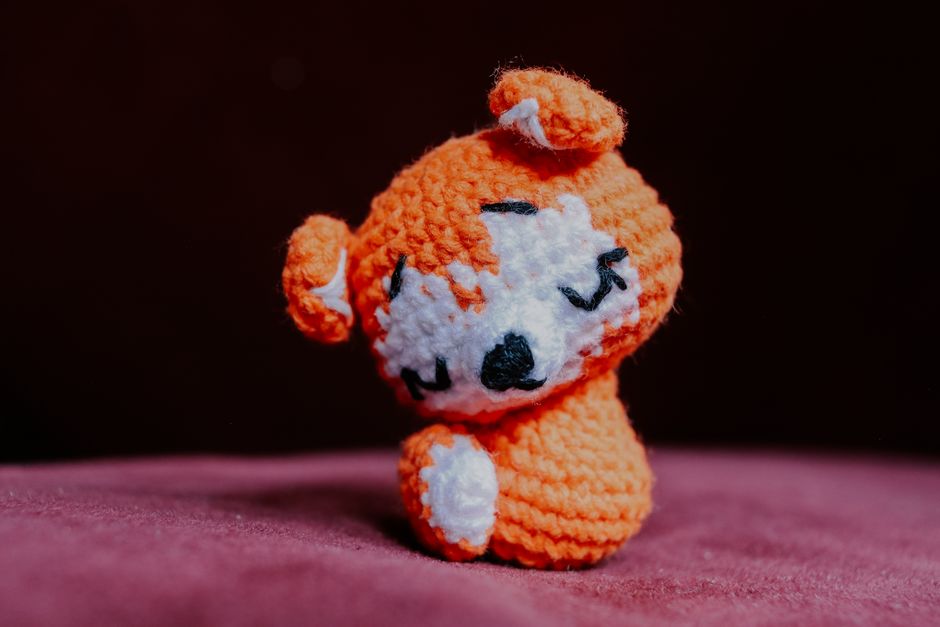
The Pattern Looks Bigger or Smaller Than You Expect
Finished size depends on yarn weight, hook size, and how tight you crochet. If you crochet loosely, your toy gets bigger and stuffing can show.
Before buying, look for:
- The yarn weight used (like DK, worsted, bulky)
- The hook size
- The finished size estimate
If a listing doesn't mention any of that, you can still succeed, but you'll be guessing.
"No-Sew" Doesn't Always Mean No Assembly
Some patterns say no-sew, but still require you to attach ears or sew a muzzle. Others crochet limbs into the body, which is truly low-sew.
If you hate sewing, search the description for words like "attach," "sew," "pin," and "place." It's a fast way to estimate your future mood.
The Cute Details Are Actually the Hard Part
Hats, tiny paws, layered wings, and colorwork faces often take longer than the body.
A good buying trick is to count "detail zones" in the photo:
- Face (eyes, mouth, cheeks)
- Top of head (horns, ears, hair tuft)
- Body add-ons (tail, wings, spikes)
More zones usually means more stopping and starting.
The Yarn in the Photo Isn't Telling You the Whole Truth
Chenille can make uneven tension look perfect. Smooth cotton shows every wobble.
If you're newer, smooth yarn helps you learn. If you want instant plush and don't care about crisp toes, chenille gives you that look fast.
How We'd Shop for Unique Crochet Patterns for Stuffed Animals on Purpose
Buying patterns is easier when you have a short checklist. This keeps you from impulse-buying five patterns and finishing none.
- Pick your uniqueness goal (realistic, fantasy, mini, oversized).
- Match it to your yarn first, then your hook.
- Choose your sewing limit (lots of pieces, some pieces, almost none).
- Check the technique list for anything unfamiliar.
- Plan one personal twist (color palette, accessory, face style).
If you want a stuffed animal that feels like you made it, not like you copied a photo, that last step matters.
We design and sell patterns because we love that moment when a toy gets a personality. If you're browsing today, pick one pattern that fits your week, not your dream skill level, then make it yours with one bold detail. That's how you end up with a finished plush you actually want to give (or keep).