Unique Crochet Patterns for Beginners: a Blueprint to Design and Sell
You finished a cute project, someone says "You should sell that," and then you freeze because you don't have a pattern. Or you do have one, but it's a messy page of notes that only makes sense to you.
This blueprint is for making unique crochet patterns for beginners that are simple to build, easy to test, and clear enough to sell. We'll compare a few beginner-friendly pattern types, then walk through one worked example you can copy.
Pick a "Sellable Beginner Pattern" Style (Comparison Framework)
Not every crochet idea is a good first product. Some designs look amazing, but they're hard to explain, hard to size, or they blow up into 12 pages of instructions.
Here's the comparison I use when I'm choosing what to turn into a pattern for sale.
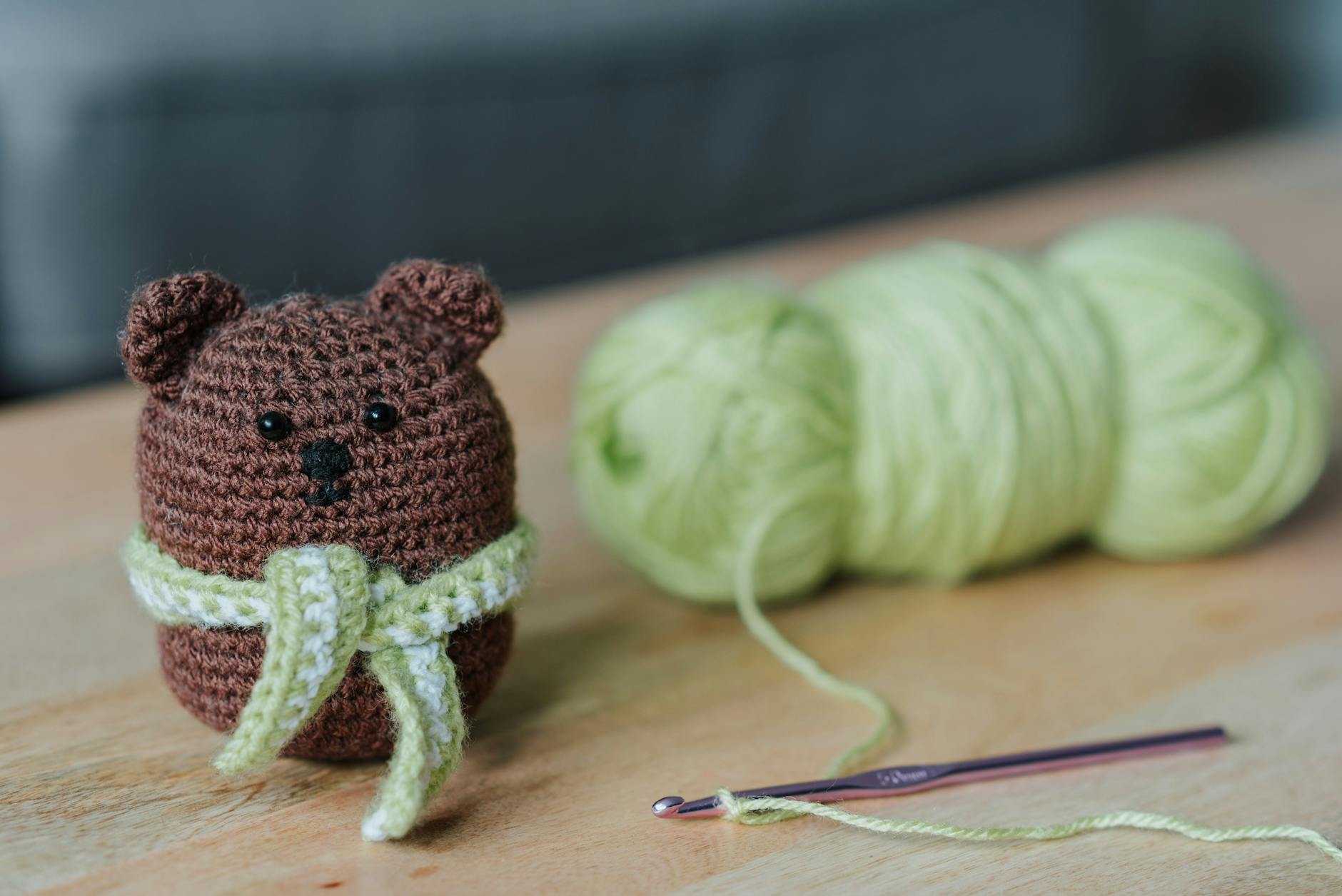
Option a: Small Plush or Keychain (Fast Win)
Best if you want a quick pattern, cute photos, and easy gifting energy.
Trade-offs: You need clear shaping notes, and beginners can struggle with tight stitches.
Good beginner-seller features:
- One main shape with 2 to 4 small add-ons (ears, fins, tail)
- Minimal color changes
- No wire or complex joints
- Uses common stitches (single crochet, increases, decreases)
If plush is your lane, you'll like our deeper pattern-building approach in how to create crochet patterns for unique stuffed toy designs.
Option B: Granny-Based Items (Low Stress, High Flex)
Best if you want a pattern that works in many yarns and sizes.
Trade-offs: It's harder to make it "unique" without adding a twist. Many granny patterns already exist, so your hook is the special detail.
Great for:
- Bags, pillow covers, bandanas, coasters
- "Choose your own size" instructions
- Scrap yarn projects
Option C: Simple Wearables (Great Photos, More Fit Risk)
Best if you're comfortable writing sizes and measurements.
Trade-offs: Fit is the hard part. Even a "simple" hat gets complicated once you promise multiple sizes.
A safe beginner angle:
- One-size items with adjustable ties (headbands, bandanas)
- Chunky yarn pieces (fewer stitches to count)
- Clear measurement checkpoints (not just row counts)
Option D: Blankets (Higher Value, More Work)
Best if you want a bigger-ticket pattern and you enjoy repeating stitch patterns.
Trade-offs: It takes longer to test, and yarn choice changes drape a lot.
If you're thinking blankets, keep them structurally simple and make the "unique" part a smart motif layout or border. This pairs well with how to crochet unique blankets that are complex enough to sell.
The Blueprint: How to Turn an Idea Into a Pattern People Can Follow
A sellable pattern is not just "what you did." It's a set of decisions made visible, so someone else can recreate the result.
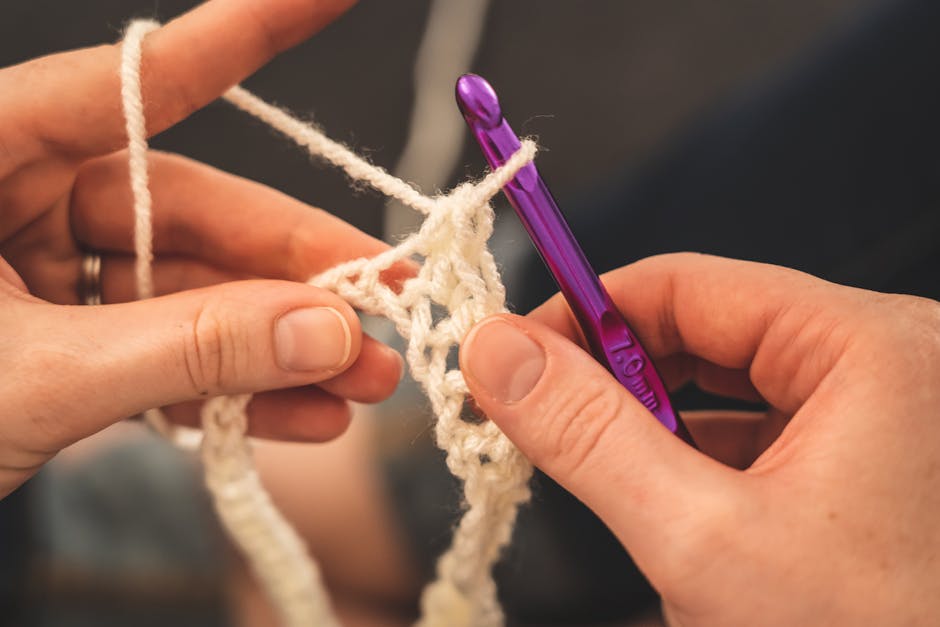
Here's the process we use to go from concept to a clean, beginner-friendly pattern.
Step 1: Design One Signature Twist (but Keep the Build Simple)
Uniqueness sells, but complexity scares beginners.
Pick one "signature" element and keep everything else standard:
- A shape twist (square body instead of round)
- A surface detail (bobble cheeks, embroidered freckles)
- A finishing detail (removable bow, contrast edging)
- A theme pack (same base, 3 expression options)
If you can describe your twist in one sentence, you're in a great zone.
Step 2: Write the Skeleton First (Parts List + Order)
Before you write any stitch counts, write the structure.
Example skeleton for a plush:
- Body (start at base, work up)
- Head (separate piece)
- Ears x2
- Tail
- Face details
- Assembly order
This prevents the classic beginner mistake of adding details before the core pieces are solved.
Step 3: Decide How You'll Handle Size and Yarn
Beginners get stuck when a pattern assumes they know how yarn affects size.
Choose one of these and state it clearly:
- "Make it like mine" (one yarn weight, one hook size, exact materials)
- "Any yarn works" (but you must include measurement checkpoints)
- "Two sizes" (small and large with two yarn options)
For your first paid pattern, "make it like mine" is the easiest to support and the easiest to test.
Step 4: Add "Beginner Guardrails" in the Text
Guardrails are tiny notes that prevent frustration.
Add these where they matter:
- Stitch markers (tell them exactly where to place them)
- Count checks ("You should have 24 stitches at the end of this round.")
- Stuffing timing ("Stuff firmly before closing, add more than you think.")
- Clarity on repeats ("Repeat Round 6 two more times.")
This is the difference between a pattern that gets 5-star reviews and one that gets "cute but confusing."
Worked Example: a Simple Pattern Concept You Can Sell (with Real Decisions)
Let's build a beginner-friendly product idea that's actually unique, without making it advanced.

Product Concept: "Mood Buddies" Mini Plush Keychain
Base is the same for all versions. The uniqueness is the face options.
- Same body and head every time
- Three face styles: sleepy, happy, spicy
- One accessory add-on: tiny scarf or bow
This creates a mini collection, which sells better than one lonely design. It also lets you market a bundle later.
Materials Plan (Keep It Tight)
Pick one yarn and one hook for the pattern sample.
- Worsted weight yarn in 2 colors (main + accent)
- A hook size that gives tight fabric for plush (many crocheters go smaller than the label suggests)
- Safety eyes OR embroidered eyes (give both options, but pick one as the "default")
- Keychain hardware (optional)
If you offer safety eyes, add one clear safety note. Safety eyes are not considered safe for children under 3 because small parts can be a choking hazard. The U.S. Consumer Product Safety Commission has general guidance on small parts and choking hazards: CPSC choking hazard information.
Pattern Structure (How You Write It)
Write it in sections with check points.
- Abbreviations (sc, inc, dec) and what they mean
- Notes (work in continuous rounds, use a stitch marker)
- Body (Rounds 1 to X)
- Head (Rounds 1 to Y)
- Face options (A, B, C)
- Accessory (scarf or bow)
- Assembly
Now the non-obvious part: make the face options "bolt-on."
That means the plush is fully finished before you choose the expression. The buyer feels creative, but you don't create three separate patterns.
Pricing Thought Process (a Beginner-Friendly Way)
Pricing depends on your audience and market, so we can't give one magic number. Here's a simple method that keeps you out of the underpricing trap.
Price based on what you're selling:
- A single pattern with one look
- A pattern with variations (like three faces)
- A bundle (multiple patterns sold together)
Variations justify a higher price because they save the buyer time and give them options. The work is also higher for you, because each variation needs checking and clear photos.
A practical rule: don't price your first pattern based on how fast you crochet. Price it based on clarity, photos, and how confident you are supporting it.
Testing, Listing, and Avoiding the Mistakes That Kill Sales
A pattern can be adorable and still flop if it's hard to follow or hard to buy.

The Minimum Testing You Actually Need
For your first release, do this even if you're impatient.
- Crochet from your written pattern without looking at the original project.
- Fix every spot you "just knew what you meant." Buyers won't.
- Have one other crocheter test it, if possible (a beginner is ideal).
If you can't find a tester, write extra count checks and take more step photos.
Photos That Sell Patterns (Even for Beginners)
You don't need fancy gear. You need clear proof.
Get these shots:
- Finished item front and side
- One close-up of your unique detail
- One in-hand shot for size reference
- One "variation group" photo if you included options
Common Beginner Pattern Mistakes (and the Fix)
These are the issues we see most when people start selling.
- Vague yarn notes: Include yarn weight, fiber type, and total yardage if you know it.
- Missing stitch counts: Add totals at the end of each round or row section.
- Assembly confusion: Write assembly as a numbered list with placement notes.
- "Magic tension" assumption: Mention if your fabric should be tight (plush) or drapey (wearables).
- No skill level honesty: If it uses colorwork, shaping, or lots of sewing, say so.
A clean pattern protects your reviews and your time, because you answer fewer support messages.
Your Next Step: Build One Small Pattern with One Strong Twist
If you want profit, start with a design you can finish, photograph, and explain in one weekend, not a "dream project" that takes a month.
Pick one style from the comparison section, add one signature twist, and write the skeleton before you crochet the final sample.
If you want to go deeper on turning your notes into real pattern language, we teach the full process in our patterns and guides at https://artncraftartncraft.art. We also share advanced stuffed-toy methods in how to crochet unique stuffed animals with complex designs for when you're ready to level up.