Sell Your Crochet Patterns Online Successfully: Tips for Unique Patterns and Complex Designs
You finish a gorgeous, brain-bendy design, a sweater with cables, shaping, and three stitch patterns that actually behave. You write it up, post it, and... crickets. The pattern isn't the problem. Most of the time, the packaging is.
If you want to sell your crochet patterns online successfully, you need to do two things well: make the pattern easy to trust (even if it's complex), and make the listing easy to understand (even for someone who doesn't know you yet). The good news is you can fix both without changing your style.
Choose the Right "Product Shape" for Complex Patterns
Most pattern listings fail because they sell "a pattern," not a result. Buyers don't wake up wanting a PDF. They want a finished item that fits, looks like the photos, and doesn't turn into a mystery halfway through.
For unique crochet patterns, your first decision is how you're going to present the design. Here's a simple framework we use when we build patterns that sell.
Pick One Main Buyer Promise
Choose A if you want fewer refunds and more happy reviews:
- "This will fit" (size range, clear measurements, good shaping notes)
- "This will look like the photo" (tight stitch guidance, gauge help, blocking notes)
- "This won't be confusing" (step order that feels obvious, clean charts, good abbreviations page)
Choose B if you want more impulse buys (and you can support it with photos):
- "This is different" (rare texture, unusual construction, standout motif)
- "This is faster than it looks" (chunky yarn option, minimal seaming, repeats that are easy)
- "This teaches a cool skill" (overlay crochet, tapestry colorwork, cables)
Complex designs can do all of these, but your listing should lead with one. The rest become supporting details.
Decide How Many Versions You'll Offer
More versions can increase sales, but it also increases support requests.
- One yarn, one gauge, one size set: best for very complex builds.
- Two yarn weights (example: DK and worsted): great if construction stays the same.
- Multiple constructions (top-down and bottom-up): only worth it if you already know both are solid.
If you're building your brand around advanced work, it helps to link readers toward skill-building content like advanced crochet projects that turn into sellable patterns. It sets expectations and attracts the right buyers.
Make Your Listing Do the "Trust Work" (Before They Open the Pdf)
For a complex pattern, buyers are silently checking for risk. They're scanning for signs you've thought through the hard parts.

Your listing should answer these buyer questions in plain language, without burying the lead.
What to Include in the First 12 Lines of Your Description
Start with the finished object and who it's for. Then remove doubt.
- The exact item (not just "crochet pattern," say "seamed cardigan with set-in sleeves")
- Skill level in real terms (example: "you'll use charts, shaping, and color changes")
- Sizes and finished measurements (include ease if it's clothing)
- Yarn weight and yardage range by size
- Notions (buttons, zippers, safety eyes, elastic, wire, etc.)
- Gauge and how you measure it (swatch size and stitch pattern)
- What format they'll get (written only, charted, or both)
Buyers of intricate work also want proof the pattern was tested. If you had testers, say so. If you didn't, be honest and tighten your quality controls (more on that below).
Photos That Help You Sell (Not Just "Pretty")
Beauty shots are nice. Proof shots sell.
Include at least:
- One clear front photo in good light
- One close-up that shows stitch texture and tension
- One construction photo (inside seam, join, shaping section, or colorwork back)
- One scale photo (on a person, on a chair, or next to a common item)
If the design has tricky parts (cables crossing, colorwork floats, shaping), show them. Hiding complexity doesn't reduce support, it increases it.
Price and Package Like a Pattern Designer (Worked Example)
Underpricing isn't just about money. It attracts the wrong buyer. If your pattern is complex, a too-low price often leads to frustration and low reviews.
Here's a worked example for pricing and packaging a complex design without guesswork.
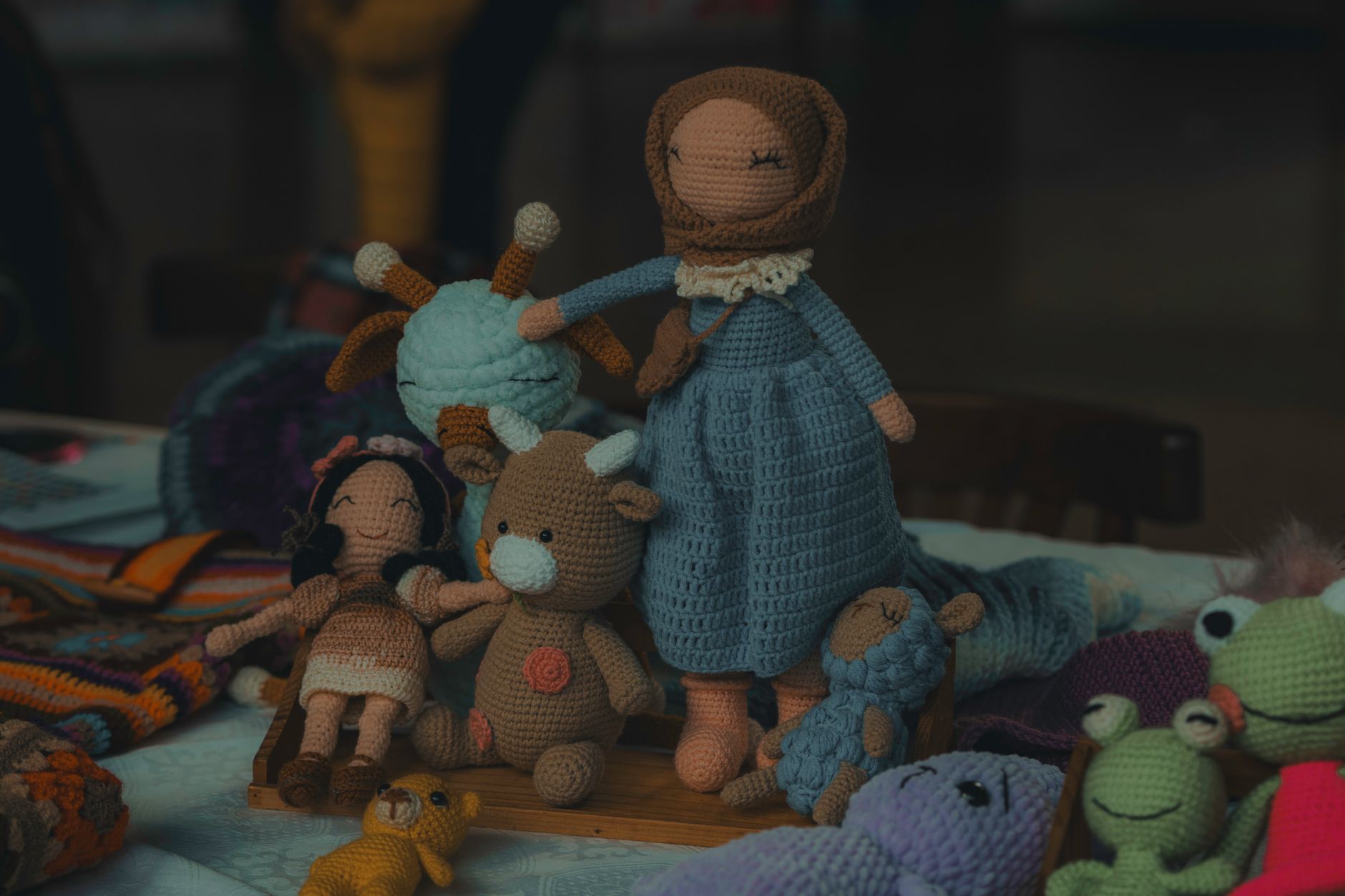
Worked Example: an Intricate Crochet Toy Pattern
Let's say you designed a unique stuffed toy with:
- Two body shapes (short and tall)
- A colorwork belly panel
- Sculpted head shaping
- Optional accessories (hat and tiny bag)
Step 1: Decide the "main product."
Make the base toy the core pattern. Put accessories as a bonus section, not a separate download.
Step 2: Package the complexity into checkpoints.
Add "Stop and check" moments so buyers don't drift off course:
- After the head shaping: "Your head should measure X inches tall"
- After the belly panel: "Panel should be X stitches wide"
- Before assembly: a quick checklist of parts they should have
Step 3: Offer one clear upgrade path.
Instead of five confusing options, use two:
- Standard pattern (base toy)
- Deluxe pattern (base toy + accessories + extra photo help)
That structure lets beginners buy the standard, and confident makers grab the deluxe.
Step 4: Price based on buyer value, not your hours.
Buyers pay for clarity, uniqueness, and confidence. For complex designs, it's reasonable to price higher if you can show:
- Clear photos
- Detailed sizing or measurements
- Charts where it helps
- A clean layout
If you sell on platforms that allow it, consider including a short preview image of one tricky page (like the shaping section). It signals quality fast.
If you're known for intricate toys, pairing this with a related content piece can help customers self-select, like how to crochet unique stuffed toys with intricate patterns.
Reduce Support Requests with "Edge Case" Notes
Complex patterns don't fail in the main instructions. They fail at the edges, the spots where a maker's yarn, tension, or assumptions differ from yours.

Adding a few targeted notes can cut your inbox load and protect your reviews.
The Edge Cases Worth Calling Out
- Gauge mismatch in textured stitches: explain if gauge should be measured in pattern stitch, not single crochet.
- Stitch count drift: tell them exactly where counts must match (example: "round 18 and 24 must end at 72 stitches").
- Left-handed mirroring: note if charts can be followed as-is or need mirroring.
- Yarn substitution risk: warn if halo yarns hide stitch definition, or if cotton changes drape.
- Sizing reality: for wearables, explain ease (how much bigger than the body it should be).
Add a "Rescue" Section to the Pattern
This is one of the easiest ways to stand out as a serious designer.
Include a short troubleshooting page:
- "If your circle ruffles, do X"
- "If your fabric leans, check Y"
- "If your cable looks flat, try Z"
Keep it short, but make it specific. A vague rescue section doesn't help anyone.
Where to Sell, and What to Do Differently on Each Platform
To sell your crochet patterns online successfully, match the platform to the type of buyer you want.
Quick Comparison: Marketplace vs Your Own Site
Marketplace (bigger audience, more competition)
- Pros: built-in traffic, easy checkout, search visibility
- Cons: fees, competing listings, less control over branding
Your own site (smaller audience, more control)
- Pros: full branding, better customer relationship, easier upsells
- Cons: you must bring your own traffic
A smart approach is to start where buyers already shop, then build your email list so you can sell from your own site over time.
Listing Tweaks That Actually Matter
- On a marketplace, lead with the finished item and keywords buyers use ("cardigan," "amigurumi," "tapestry bag").
- On your site, lead with your style and promise ("chart-supported," "size-inclusive," "tested and photo-supported").
If you do both, keep the pattern name consistent across platforms. It reduces confusion and helps repeat buyers find you again.
Common Mistakes We See with High-Skill Patterns
Advanced designers often assume the buyer will "figure it out." That's the fastest way to earn support emails and low ratings.
Here are the mistakes that block sales even when the design is amazing:
- Listing says "advanced" but doesn't say what skills are required.
- No measurements, only "fits most" or "one size."
- Pattern uses custom terms with no definitions.
- Photos are moody or filtered, so stitch detail is hard to see.
- Gauge is listed, but not explained (what stitch, what swatch size).
Fixing these is not dumbing down your work. It's protecting it.
A Simple Checklist Before You Publish
Run this once before you hit "publish." It catches almost everything that causes refunds.
- A beginner can tell what the finished object is in 3 seconds.
- Sizes and finished measurements are easy to find.
- Materials list includes yarn weight, yardage, and hook size.
- Each section has stitch counts where it matters.
- At least one photo shows the hard part up close.
- The PDF has a contents page or clear section headers.
If you want, we can also point you toward a skill-building path based on where your customers get stuck most often, like how to master crochet patterns for gifts and build unique designs that sell.
You don't need to simplify your designs to sell them. Keep the complexity, that's your edge. Just package it so buyers feel confident before they buy, and supported after they start.