
How to Crochet Unique Items for Sale: Master Complex Techniques and Make Patterns Buyers Love
"Your best-selling crochet piece is usually the one that solves a specific problem in a beautiful way." That idea is the fastest path to How to Crochet Unique Items for Sale without copying what everyone else is making. You're here for results, so here's the promise: you'll learn the complex crochet techniques that make your work look premium, plus a simple system for turning those skills into unique patterns you can sell with confidence.
The goal isn't to crochet harder just to brag about it. The goal is to crochet smarter, so your items stand out in photos, fit well, last longer, and feel special in a customer's hands. That's what gets saves, shares, and repeat buyers.
How to Crochet Unique Items for Sale with a "Signature Technique Stack"
Unique doesn't mean random. Unique means recognizable. Think of it like a "signature" that customers can spot across your listings. A great way to do that is building a technique stack, which is 2 to 4 advanced methods you combine again and again in fresh ways.
Start by picking one "texture hero," one "shape hero," and one "finish hero." Texture is what makes someone zoom in. Shape is what makes them stop scrolling. Finish is what makes them trust your quality.
Here are technique categories that reliably create a premium look, even on small items:
- Texture heroes: post stitches (front/back post), bobbles, overlay crochet, mosaic crochet (colorwork with simple stitches)
- Shape heroes: short rows, darts, increases that create curves, modular motifs (join-as-you-go pieces)
- Finish heroes: invisible joins, clean color changes, sturdy edging, lined or reinforced areas
After you choose your stack, use it on a "small, fast win" item first. A headband, pouch, bookmark, or baby hat is perfect. You'll learn quickly, and you'll get photos and reviews faster.
If yarn choice is holding you back, it's worth revisiting your materials. Certain fibers make texture and stitch definition pop, while others blur details. My go-to advice is to match yarn to the technique, not the other way around. This pairs well with best yarn types for crocheting when you want a deeper guide.
Complex Crochet Techniques That Make Patterns Look "Designer"
You can absolutely sell simple items, but complex techniques often raise your perceived value fast. The trick is picking techniques that look advanced, but are still repeatable, so you don't burn out after three orders.
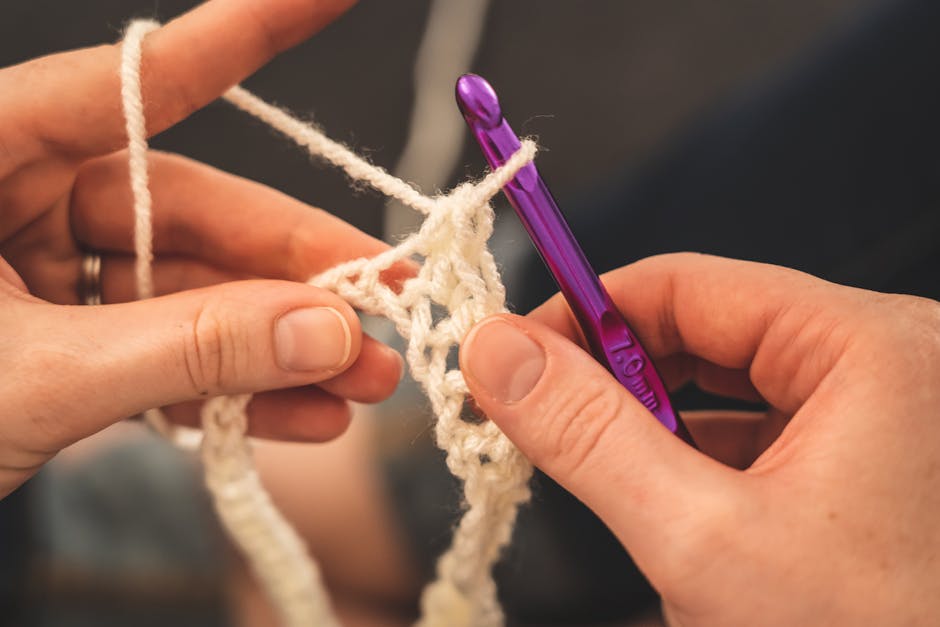
Focus on techniques that do at least one of these things: improve fit, improve texture, or improve structure. That's what customers notice when they compare your work to cheaper options.
Here are a few complex crochet techniques that translate well into sellable patterns:
- Mosaic crochet panels for bags, pillows, and wall hangings (bold pattern, clean lines)
- Overlay crochet for raised "carved" motifs (great for mandalas, decor, and statement pieces)
- Tapestry crochet for clean shapes and icons (especially in tight single crochet)
- Short rows for curves in hoods, collars, and plush shaping
- Linked stitches to reduce holes in garments and totes
- Surface crochet and embroidery for crisp outlines and "branding" details
Before you commit to a new technique, make a swatch and stress-test it. Tug it. Fold it. Wash it if it's wearable. Testing isn't boring, it's how you avoid refunds.
A practical quality benchmark is how well your piece holds up after light washing and reshaping. The Craft Yarn Council has strong guidance on yarn standards and care labeling, which helps you write clearer product descriptions. For pattern designers, consistent sizing also matters. The Craft Yarn Council sizing standards are useful if you're designing wearables and want fewer "it doesn't fit" messages.
If you want more advanced design approaches, build on what you already know instead of jumping to something totally new. That's exactly what advanced crochet pattern techniques is perfect for, especially if your goal is unique gift-ready designs.
Turn Your Techniques Into Unique Crochet Patterns People Can Buy
A sellable crochet pattern is not just "what you did." It's a set of choices that makes another crocheter succeed. That's why the best patterns feel calm and clear, even when the final piece looks complex.

The easiest way to create unique patterns for sale is to start with a proven base, then redesign one layer at a time. Keep the base shape. Change texture, colorwork, edging, and details. This keeps your pattern stable while making it visually new.
Use this simple build method to design:
- Pick the item type (hat, bag, plush, top, home decor)
- Choose your signature technique stack (texture, shape, finish)
- Make a prototype and write as you crochet (notes matter)
- Create a second sample to confirm the pattern is repeatable
- Add sizing or customization options (strap length, brim depth, color charts)
- Test with at least 2 people if possible, then revise
After you finish your draft, your pattern needs "buyer-friendly" formatting. Use consistent abbreviations, stitch counts, and clear section headers. Include a materials list that names yarn weight, grams or yards, and hook size.
Here's a checklist that makes patterns feel professional:
- A clear finished size and gauge (even for non-garments, gauge helps repeatability)
- Step-by-step sections with stitch counts at the end of rows or rounds
- Photos of tricky steps, especially joins, corners, and color changes
- A short "skill level" note that explains what makes it advanced
For credibility and customer safety, align your labeling and selling info with platform rules. If you sell on marketplaces or run your own shop, it helps to be clear about what buyers get (digital file vs finished item), plus refund rules. The Federal Trade Commission guidance is a solid reference point for honest advertising basics, even for small creators.
Price, Photograph, and Position Your Crochet so It Actually Sells
Even with strong skills, your items won't sell if customers can't understand the value. Pricing and photography do most of the heavy lifting here. Buyers can't feel softness through a screen, so your listing has to do that job.

For pricing finished items, start with three numbers: materials cost, time cost, and overhead. Time cost is where many crocheters undercharge. If a bag takes 6 hours and you pay yourself $15 per hour, that's $90 in labor, before yarn and fees. Hand-made is not supposed to compete with factory pricing.
A simple pricing formula is:
- (Materials + Labor) + 10% to 20% overhead = base price
If you're selling patterns, your pricing is different. You're selling the value of the idea, the clarity of the instructions, and the results. Many designers price patterns based on complexity, photo support, and uniqueness. You can also create tiered offerings, like a standard pattern and a "bundle" with charts, extra sizes, or video support.
Photos are your silent sales pitch. Use bright window light, show scale, and include at least one close-up of texture. For wearable items, show fit at the neck, shoulders, or waist, not just flat-lays.
Use this photo shot list to improve conversions:
- One clean "hero" image (front view, simple background)
- One close-up of texture or colorwork
- One image showing size (hand holding it, ruler, or modeled)
- One image showing inside structure (lining, seams, strap attachments)
- One lifestyle shot (on a hook, on a chair, in a gift box)
To strengthen trust, write descriptions that match what customers ask. Mention fiber content, care instructions, and what makes it unique. That's also where you can sprinkle your personal story and process, which boosts E-E-A-T because it shows real experience.
For 2026 freshness, a trend that keeps growing is personalization. Shoppers want names, colors, and "made for me" sizing. Etsy has repeatedly reported strong demand for personalized gifts in its trend updates. Check the latest newsroom posts and marketplace insights at Etsy News for current-year direction you can mirror in your product options.
FAQ Master Complex Crochet Techniques and Unique Patterns for Sale
What's the Fastest Path for How to Crochet Unique Items for Sale Without Copying Others?
Choose one item category and build a recognizable style around it. For example, you can specialize in mosaic crochet pouches, or in plushies with extra-realistic shaping. Make three designs that share a technique stack, then vary color, motif, and size. That creates a cohesive shop that feels "intentional," not random.
You can still take inspiration from trends, but avoid lifting someone else's layout, stitch chart, or signature details. Your uniqueness often shows up in the small choices, like edging style, shaping, or how you combine textures.
Which Complex Crochet Technique Gives the Biggest "Wow" for Buyers?
Mosaic crochet is a top pick because it looks advanced but uses simple stitches. The finished fabric is bold and photo-friendly, which helps online selling. Overlay crochet is also stunning, especially for wall hangings and decor, but it can be slower.
If your buyers care about fit, short rows and shaping techniques create a "designer" look that customers notice right away.
How Do I Know If My Pattern Is Clear Enough to Sell?
A pattern is ready when someone else can follow it without guessing. That's why testing is so valuable. If you can't get testers, do a second full sample yourself using only the written pattern. Don't rely on memory.
Look for common confusion points like joining rounds, counting repeats, and color changes. Add photos or small tips exactly where people tend to get stuck.
Should I Sell Finished Items, Patterns, or Both?
Both can work, but they solve different problems. Finished items bring higher single-sale revenue, but they take time and shipping work. Patterns scale better because you sell the same file again and again.
A smart hybrid is to sell patterns as your main product, then offer limited finished-item drops for seasonal demand. You can also create gift-focused bundles that pair patterns with personalization ideas. If you want that angle, buy custom crochet patterns for gifts fits perfectly.
How Can I Stand Out in a Crowded Market in 2026?
Go deeper, not wider. Pick a narrow theme, then become the best at it. Examples include "modern heirloom baby sets," "cottage-core textured accessories," or "bold graphic crochet bags." Add customization options, show process photos, and write listings that answer care, sizing, and materials clearly.
Consistency also matters. If your photos, color palette, and pattern formatting look uniform, buyers trust you faster.
Your Next Steps: Build One Standout Design This Week
Mastering complex techniques is less about talent and more about building repeatable systems. If you want How to Crochet Unique Items for Sale to turn into real income, pick one technique stack, make one prototype, and document everything as you go.
This week, commit to a single "hero product" and design it to be photographed well, easy to explain, and hard to ignore. If you want, share your idea with me on Squarespace at https://artncraftartncraft.art, and I'll help you spot what makes it unique and pattern-ready.