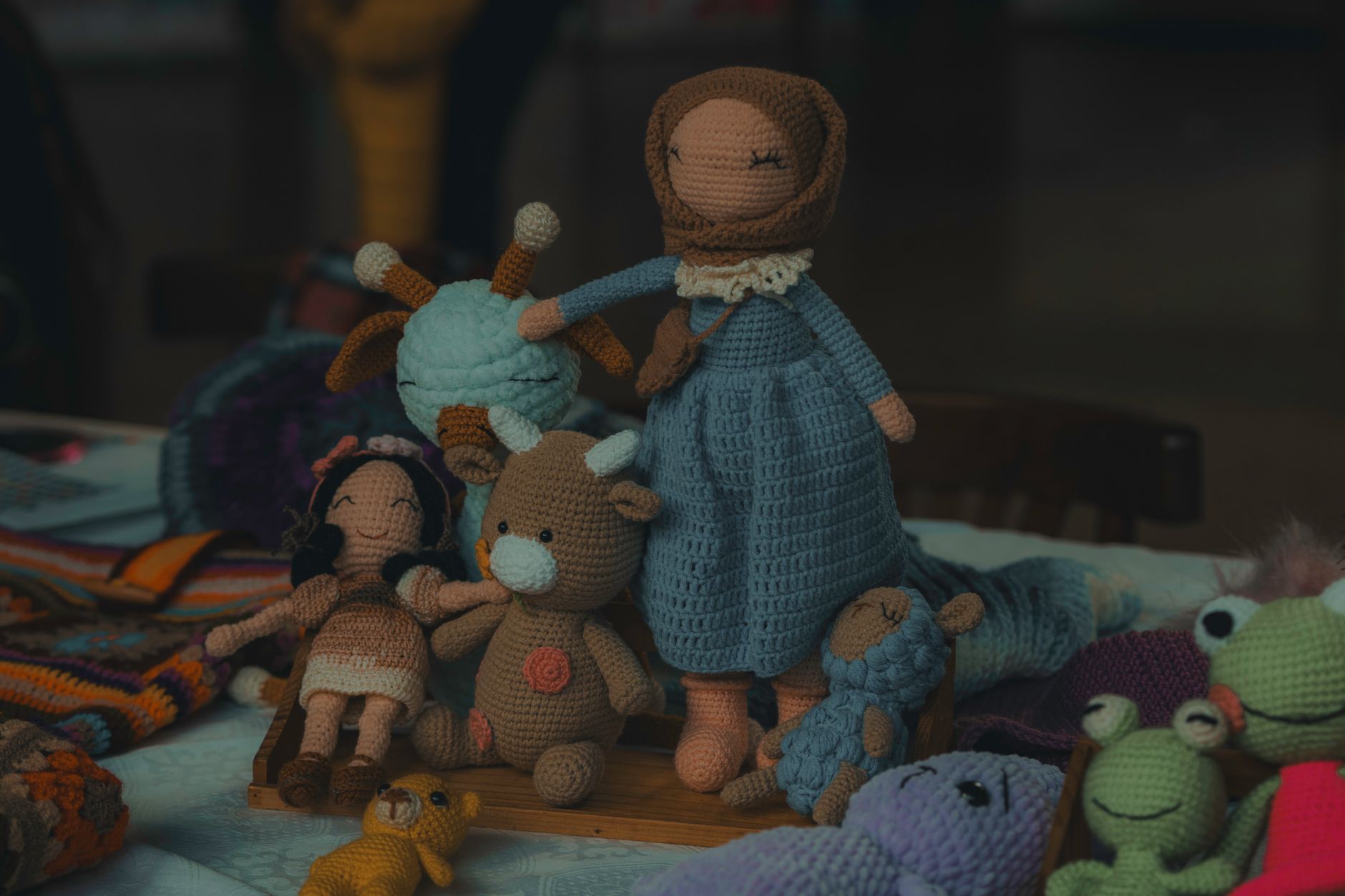
How to Crochet Unique Designs: Master Stuffed Animals Now
What would your dream creature look like if yarn could hold a memory or a joke you love? If you came here to learn How to Crochet Unique Designs and turn those ideas into stuffed animals that feel alive, you are in the right place. You will get a clear path from first stitch to advanced shaping. I will show you the tools, steps, and pro moves I use to design creatures that buyers and kids adore.
I have crocheted hundreds of custom animals for collectors and gifts. Some were as small as a keychain kiwi. Others stood tall with wire armatures and jointed limbs. The method below follows a beginner-to-advanced path, so you build skill in the right order. By the end, you will know how to sketch, shape, and finish a safe, durable toy with real personality.
How to Crochet Unique Designs for Stuffed Animals: the Foundation
Every original creature begins with three things. You need a clear idea, a yarn and hook that match your goal, and a simple body plan. Start with a basic sphere or oval, then add or subtract rounds to get size. Tight stitches matter because stuffing tries to peek out. Aim for single crochet in the round with a firm gauge.
Softness, structure, and care all come from fiber choice. Cotton gives crisp stitches and holds shape well. Acrylic is soft, easy to wash, and budget friendly. Nylon blends add strength for small, high stress parts like noses. Use the Craft Yarn Council's weight system to choose yarn and hook sizes smartly. Their chart helps you match yarn category with hook size for ideal tension Craft Yarn Council.
Before you stitch, set a quick design target. Pick one feature that makes your animal unique. It could be oversized ears, freckles, or a swirled tail. Write it down and keep it in view. That one choice will guide your shaping and color changes as you work.
- Sketch a 3-view plan: front, side, and top. Keep shapes simple, like circles and tubes.
- Pick yarn weight and hook for tight stitches. Test a small swatch in single crochet.
- Decide your main unique feature. Note colors, size, and placement.
- Choose a starting body shape: sphere, oval, or cylinder. Note target height.
- Gather stuffing, stitch markers, and a blunt yarn needle for seaming.
A strong start needs the right safety plan too. If your animal is for a child under three, avoid small hard parts. Follow the CPSC's small parts guidance to reduce choking risks U.S. CPSC. Safety eyes look cute, but embroidered eyes are safer for babies. Keep this in mind before you design tiny details.
Intermediate Shaping: Sculpt Personality Into Every Creature
Once you can crochet a tidy sphere, learn to sculpt. Strategic increases and decreases move volume where you want it. Place them only on the sides to keep the front smooth for a face. Use invisible decreases to avoid bumps. Short rows create snouts, bellies, and hunches. They add height on just one side, which changes the silhouette without seams.
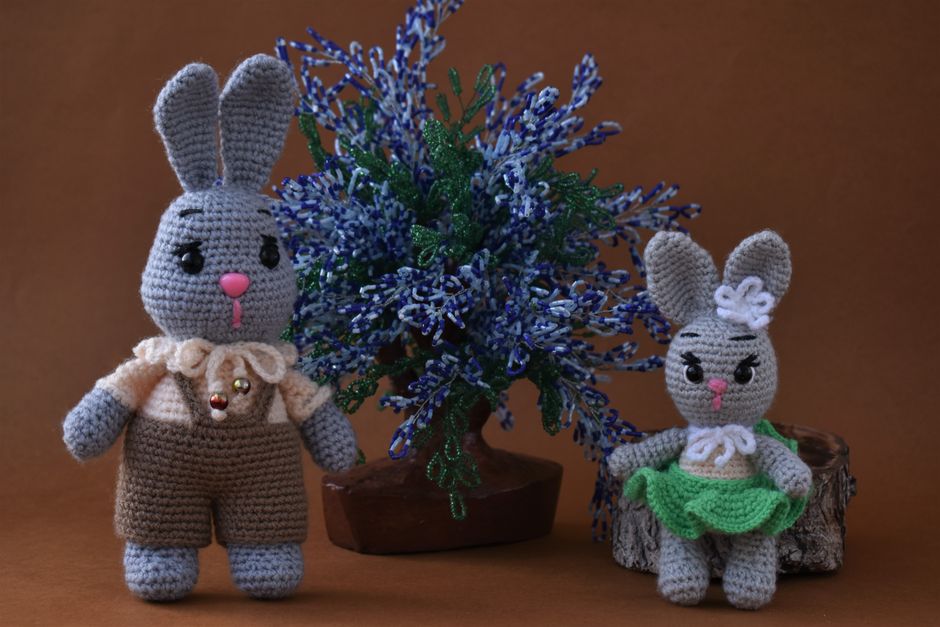
Color is also a shaping tool. Stripes lengthen a body. A darker color on the bottom grounds the figure. High contrast at the face draws the eye and makes expressions pop. Keep yarn tails long when you change color. You can use them later to ladder stitch tiny gaps closed.
- Map increase points at 3 and 9 o'clock to widen a head without flattening the face.
- Use invisible decreases on the sides to taper a neck cleanly.
- Add short rows over the nose area to build a gentle snout in 3 to 5 passes.
- Work front loop only rounds to create a fold line for ridges or shells.
- Test stuffings mid-build. Add a small amount early to see true shape.
Short rows can intimidate beginners, but they are simple. Stop partway through a round, turn, and work back across a few stitches. Repeat to stack height. Then resume round work. The turns create a bump. This single skill unlocks beaks, bellies, eyebrows, and chubby cheeks that look hand sculpted.
Advanced Techniques: Joints, Armatures, and Texture Effects
Ready to push past basic plush? Joints add poseability. Armatures add structure for tall or thin limbs. You can also build complex textures that look like fur, feathers, or scales. Plan these choices on paper first, so your stitch counts leave room for hardware or wire.
For joints, you have two common paths. Sewn button joints spin freely and look classic. Safety joints lock in place and pass through fabric disks inside the limb and body. They are smooth and durable. For armatures, use flexible wire wrapped in floral tape, then cover with a soft tube of single crochet. End all wire at least half an inch inside the fabric so it cannot poke out.
- Use a back loop only round to create a neat fold where a jointed limb attaches.
- Create faux fur with loop stitch or brushed acrylic. Brush gently with a pet slicker brush.
- Try crocodile stitch on a dragon tail for layered scales.
- Combine popcorns and bobbles on a hedgehog to suggest spikes without sharp parts.
- Add a pipe cleaner core to tiny antennae for crisp, bendable lines.
Texture changes can shift sizes, so swatch first. Loop stitch adds bulk and eats yarn fast. Scale stitches can tighten fabric and reduce stretch, which is great for firm bodies. Keep notes as you test. Record hook size, yarn, rows, and exact effects. This builds your personal library, so future designs go faster and look cleaner.
Finishing Like a Pro: Embroidery, Safety, and Durable Seams
The finish sells the story. Faces need balance, symmetry, and clean lines. Pin features in place before you sew. Step back three feet. If it looks cute far away, it will charm up close. For eyes and noses, satin stitch fills small shapes smoothly. Split stitch outlines mouths and brows with soft curves. Keep thread tails hidden and knotted inside the stuffing.
Stuffing is a craft, not a chore. Add small tufts in layers. Pack a little more in high stress zones like necks and belly buttons. Firm stuffing reads as higher quality and holds shape better. Close openings with a ladder stitch so the seam vanishes.
- Choose safety eyes rated for toys or embroider with cotton for infant gifts.
- Use ladder stitch for invisible joins when closing the final round.
- Add a tiny dab of fabric glue on knots inside the body for extra hold.
- Secure limbs with a double pass of whipstitch, then a tightening cinch.
- Weave ends in at least two directions to lock them against pull.
If you sell or gift to young families, review toy standards like ASTM F963 to understand expectations for toy safety and durability ASTM F963. For fabrics and trims that touch skin, look for OEKO-TEX Standard 100 labels, which screen for harmful substances OEKO-TEX. Safety choices build trust, reduce returns, and protect your brand.
Beginner-To-Advanced Project Path: Four Builds You Can Finish
Practice makes you faster and more confident. This four-project path builds skills step by step. Start small with a speed win. Move to shaping, then to texture and joints. If you follow this path, you will finish each stage with a showpiece ready for gifting or sale.

- Pocket Penguin: Sphere body, tiny beak. Learn tight gauge and color changes for a belly patch. Embroider eyes for safety.
- Long-Eared Bunny: Oval body, short rows for cheeks, wired ears for pose. Practice invisible decreases and crisp face lines.
- Textured Dragonlet: Cylinder body, crocodile stitch tail, loop stitch mane. Manage texture swatching and yarn consumption.
- Jointed Bear Cub: Safety joints in arms and legs, firm stuffing. Perfect your seam work and balanced facial embroidery.
Keep notes on each build. Mark what worked and what felt slow. Time yourself on repeat steps like closing rounds and attaching limbs. These notes become your design playbook, and they make future custom orders easier to price and plan.
Materials, Tools, and Time Planning for Unique Success
Good tools help you work faster and safer. Use ergonomic hooks that reduce hand strain. A wire cutter and floral tape are musts for armatures. Keep two types of needles on hand. A bent tip yarn needle is great for ladder stitch. A sharp embroidery needle helps with dense satin stitches.
Plan your time with buffers. Complex textures and faces always take longer than you think. A simple pocket penguin may take two hours. A jointed bear with embroidery may take six to ten hours. If you sell, include prep, photography, and packaging in your time estimate so you price fairly.
- Ergonomic hook sized for your yarn weight and target gauge
- Durable acrylic or cotton yarn in three main colors and one accent
- Polyester fiberfill, safety eyes or cotton floss for embroidery
- Floral wire, floral tape, and wire cutters for armatures
- Stitch markers, bent tip yarn needle, and small scissors
For more gear advice, check my guide to smart stock-ups at Crochet Supplies and Materials. Choosing the right tools saves you from mid-project stalls and messy finishes.
Design Strategy: Turning Ideas Into Repeatable Patterns
A great stuffed animal is not just cute. It is consistent, testable, and repeatable. Set a design system for head, body, and limbs. Maybe you always begin a head with 6 single crochets, then increase by 6 each round. Standard moves make sizing predictable across different creatures, and that saves time.
Track proportions that look best. For baby animals, heads often measure about 60 to 70 percent of body height. Eyes sit slightly below the midpoint of the face for a sweet look. Keep a ruler nearby. Measure rather than guess. Your future self will thank you when you remake a bestseller months later.
- Build a base library: sphere, oval, cylinder, cone. Keep row counts in a notebook.
- Define face rules: eye spacing, nose placement, and brow angle.
- Store yarn and hook combos that give your favorite firmness.
- Photograph each stage. Photos double as future pattern steps.
- Have friends test your pattern to catch gaps and improve clarity.
The market for handmade plush keeps growing, and search interest for "amigurumi" remains high worldwide as of 2026 Google Trends. Clear, tested patterns help you stand out and allow you to produce consistent results at scale.
Care, Safety, and Gifting Confidence
Your customers and loved ones expect durability. Always give care instructions. Acrylic can often handle gentle machine wash inside a bag. Cotton may shrink a little, so recommend cold water and air dry. Avoid yarn with loose fibers for infants. Choose smooth stitches on baby gifts so fingers do not snag.

If your toy could reach a child's mouth, keep every part secure. No beads or loose buttons. Keep hard wire ends buried deep. Review CPSC small parts guidance again before you ship U.S. CPSC. Your reputation is worth the extra checks.
If you want premium, photo-tested instructions that follow these safety and design rules, browse my curated patterns at Buy Detailed Crochet Patterns for Sale. They include row-by-row counts, stitch photos, and embroidery maps.
FAQ Your Crochet Questions Answered
How Tight Should My Stitches Be for Stuffed Animals?
Aim for a fabric that does not show stuffing when you stretch it lightly. If you can see white fluff through the holes, go down a hook size. I often use a smaller hook than the yarn label suggests. Tight stitches keep shapes crisp and seams strong.
Are Safety Eyes Really Safe for Babies?
Safety eyes are sturdy for older kids, but they are still small parts. For babies and toddlers, I prefer embroidered eyes with cotton floss. They look sweet, last through washing, and remove choking risk. Check your audience and follow CPSC guidance for children's products U.S. CPSC.
What Yarn Is Best for Beginners Making Plush?
Worsted weight acrylic is forgiving and easy to source. It is soft, washes well, and shows stitches clearly. Cotton gives crisp detail but can feel stiffer on the hands. Match yarn weight to hook per the Craft Yarn Council chart for a good start Craft Yarn Council.
How Do I Stop My Animal From Toppling Over?
Balance weight across the base. Add a small pouch of pellets sealed in fabric at the bottom, then surround it with stuffing. Keep the head slightly lighter than the body. A wider base or splayed feet also help. Test balance before closing the final seam.
What Makes a Design Truly Unique?
Pick one bold feature and frame it well. Maybe it is fox ears with tiny freckles, a stormy gradient belly, or scalloped dragon scales. Keep other parts simple, so your star feature shines. Repeatable rules plus a signature detail create a style people recognize.
Final Stitches: Your Next Step
You now know how to move from idea to advanced plush with confidence. Start with a simple body and one bold feature. Add shaping, texture, and joints as your skills grow. Keep notes so your best work is easy to repeat. If you want yarn picks and tool lists to speed you up, see How to Choose Crochet Yarn Types. Ready for a proven, photo-rich pattern set? Visit Buy Detailed Crochet Patterns for Sale and start stitching your next fan favorite today.