How to Create Unique Crochet Gifts with One-Of-A-Kind Patterns to Sell
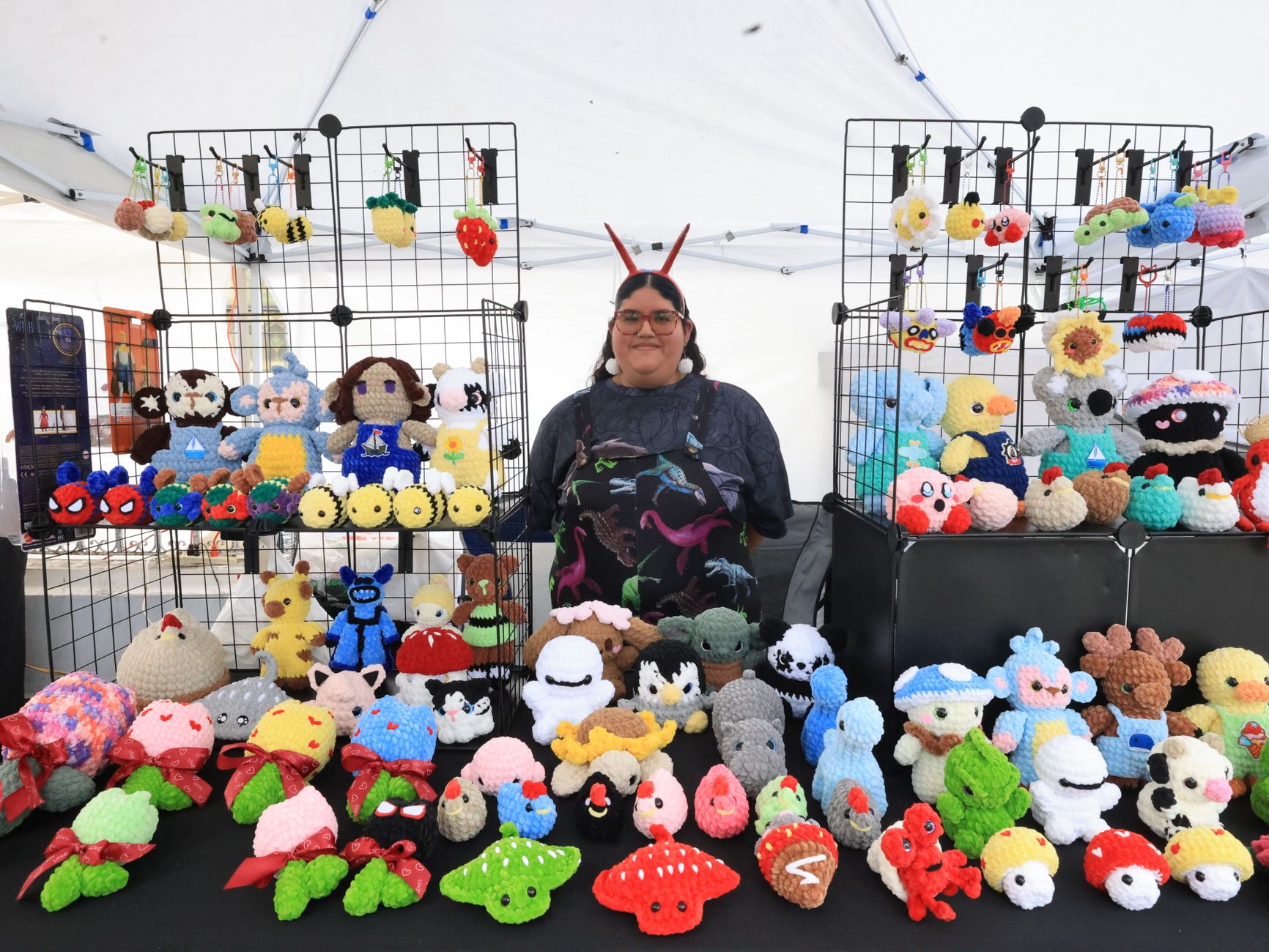
The hard truth is that "cute" doesn't sell anymore. Not because your work isn't good, but because buyers have seen the same bees, octos, and bucket hats a thousand times.
If you're here for how to create unique crochet gifts, the fastest path is not a harder stitch. It's a clearer product idea, a repeatable way to design patterns, and a few smart choices that make your work feel personal without doubling your time.
How to Create Unique Crochet Gifts Without Reinventing Crochet
Uniqueness comes from decisions, not magic. The gift feels one-of-a-kind when at least one of these is true: it's made for a specific person, it solves a specific use, or it has a detail people don't expect.
Here's the decision framework we use when we design patterns to sell. Pick one lane first, then build the crochet around it.
- Personalized identity: initials, name, birth flower, pet markings, favorite color combo.
- Specific "job": gift that holds keys, protects glasses, fits a plant pot size, covers a mug handle.
- Unexpected construction: reversible, modular parts, hidden pocket, moveable limbs, texture mixing.
- Niche theme: inside jokes, fandom vibes (without copying protected characters), local hobbies, occupations.
Now turn that lane into constraints. Constraints are your friend because they stop the design from drifting.
For example:
- "Teacher gift" is vague.
- "Gift for a 2nd grade teacher who loves sunflowers and needs a lanyard key holder" is a real product.
A simple way to generate sellable ideas is the 3-part prompt:
- Recipient (who is it for)
- Moment (why they're getting it)
- Function or display (what it does or where it lives)
Examples that almost design themselves:
- New apartment + plant lover + "fits a 4-inch pot" = plant cozy set with size labels.
- New baby + family tradition + "monthly photo prop" = numbered milestone discs.
- Coworker + office gag gift + "desk friendly" = tiny stress buddy with weighted base.
Once you have the lane, you can make it feel custom with details that barely add time.
- Swap one accent color for the recipient's favorite shade.
- Add a tiny tag, charm loop, or stitched initial patch.
- Change one texture section (bobble stripe, ribbing, seed stitch look) while keeping the base pattern.
If you want a deeper pattern-building toolkit, our guide to advanced crochet pattern techniques for custom gifts pairs really well with the steps below.
A Repeatable "Unique Pattern" Process (so You Can Sell It)
A gift can be unique once, but a pattern has to be repeatable. That means your design needs structure: consistent sizing, clean assembly, and clear options.
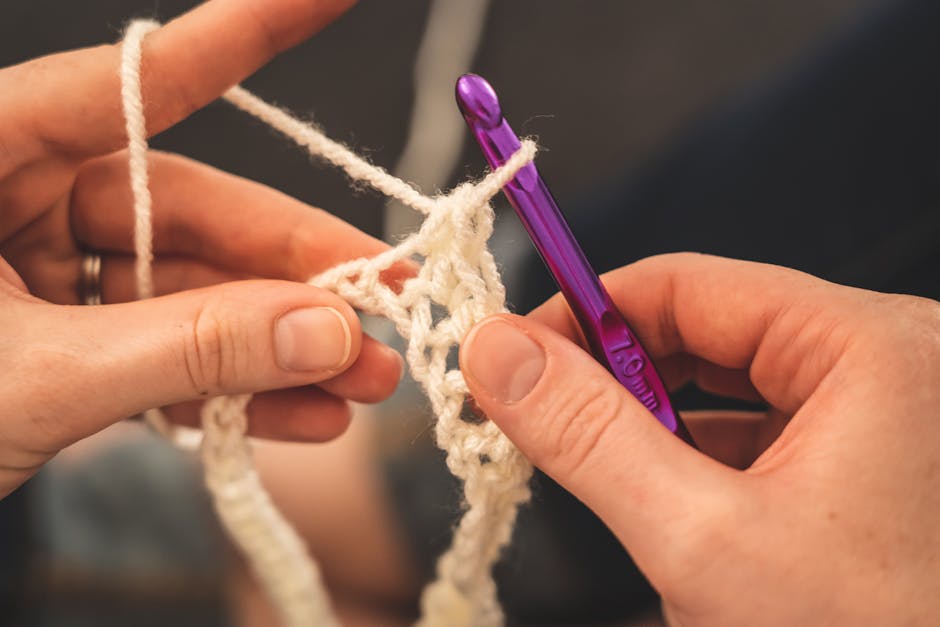
Use this 5-step process to create patterns that are both special and sellable.
- Start from a proven base shape
Pick a shape you already know how to make cleanly. For plush gifts, that's often a sphere, egg, or cylinder. For wearables, it's a rectangle, tube, or simple yoke.
Your base is allowed to be "basic." Uniqueness goes on top.
- Choose 1 hero detail and 1 supporting detail
More than that usually turns into a time sink.
- Hero detail examples: reversible flap, embroidered face, textured panel, funky handle.
- Supporting detail examples: colorwork stripe, mini charm, contrast edging.
- Design the variation points (this is what makes it feel custom)
Variation points are spots where buyers can pick an option without breaking the pattern.
Good variation points:
- Eye style (safety eyes vs stitched)
- Accessory (bow, scarf, tiny bag)
- Color placement (cheeks, belly, cuffs)
- Size (mini and regular using the same stitch counts scaled by yarn weight)
Weak variation points:
- "Change anything you want." That's not helpful.
- Write the pattern while you crochet it again
If you write after, you'll forget the weird little fixes that made it look good.
We write in short chunks:
- Round counts (or row counts)
- Stitch totals at the end of each round
- Notes only where something changes
- Test for the two failures that kill sales
- Shape failure: it looks different every time because tension matters too much.
- Assembly failure: it looks good in your hands but is hard for others to sew together.
A quick self-test: set the piece down on a table, walk away, come back. If the silhouette looks "off," buyers will feel it too.
If your goal is gift-friendly patterns that are simpler and faster, bookmark easy crochet patterns for gifts that sell well for a lighter starting point.
Worked Example: One Gift Concept Turned Into Three Products
Let's take a real-world constraint: you want something that feels custom, ships easily, and doesn't take forever.

Concept: "Pet look-alike keychain for a friend who just moved."
That's already unique because it's tied to a person. Now we turn it into a pattern line.
Step 1: Pick the Base
Use a simple amigurumi (stuffed crochet) head shape in worsted weight yarn. Keep it round, 24 to 36 rounds total depending on size.
Make the body optional. Keychains don't need full bodies.
Step 2: Choose the Hero Detail
Hero detail: fur markings that match the pet.
Do it with surface crochet (crocheting on top of finished fabric) or simple color changes. Surface crochet is great because you can "draw" markings after the shape is done.
Step 3: Choose the Supporting Detail
Supporting detail: a tiny collar with a letter charm.
That's a five-minute add-on. It reads as premium.
Step 4: Build Variation Points (so It Becomes a Pattern People Can Buy)
Write the pattern with these options:
- Ear set: floppy, pointy, or tiny rounded ears
- Snout: short (cat) or longer (dog)
- Marking map: 6 common patches (eye patch, blaze, chin, back stripe, ear tip, spot)
Now you have a pattern that covers many pets without being a custom commission every time.
Step 5: Turn One Idea Into Three Listings
This is the part most crocheters skip. One pattern can become multiple products, which is how you earn more without designing from scratch.
- Finished gift: pet keychain with initial collar
- DIY kit style (pattern only, not physical kit): "make your pet look-alike keychain"
- Add-on mini pattern: "marking map pack" (extra marking layouts, same base)
Yarn and Build Choices That Make It Feel High-End
- Use a firmer stuffing and tighter tension, the face looks cleaner.
- Use embroidery floss for details, it stays crisp.
- Keep hardware simple: a swivel clasp plus split ring looks more polished than a plain ring.
That's a unique gift, plus a pattern you can sell, plus natural upsells that don't feel spammy.
Pricing and Time: a Practical Checklist Before You Sell
Handmade pricing gets emotional fast. So keep it mechanical.

First, decide what you're selling:
- Selling finished crochet gifts rewards speed, consistency, and materials that photograph well.
- Selling crochet patterns rewards clarity, good photos, and patterns that work for many people.
Many makers do both. We like that combo because finished items prove the pattern and create content for listings.
Use this checklist before you publish or list anything.
Make Sure Your Gift Idea Fits Your Time Budget
Pick the lane that matches your schedule.
- Choose small goods (keychains, mug cozies, ornaments) if you want quick makes and easy shipping.
- Choose statement pieces (bags, big plush, blankets) if you want higher price points and fewer sales needed.
A gift that takes too long will quietly wreck your shop, even if it's gorgeous.
Don't Accidentally Design a "Support Nightmare" Pattern
Patterns sell best when they're friendly.
- Avoid steps that depend on "feel" (like "stuff it until it seems right") without guidance.
- Add stitch counts often, especially after increases and decreases.
- Keep sewing simple, or give placement tips like "pin at 12, 3, 6, and 9 o'clock first."
Add Uniqueness Without Adding Risk
Some details look amazing, but they raise returns, complaints, or safety concerns.
- If an item is for young kids, stitched eyes are often safer than small plastic eyes. Safety eyes can be a choking hazard if not installed correctly or if the item is used by children under 3. Follow the guidance from the U.S. Consumer Product Safety Commission small parts information.
- "Fuzzy" yarn photographs cute but can hide stitches, which makes patterns harder for customers to follow.
The sweet spot is a design that looks special in photos and still works in normal yarn.
Product Description That Actually Sells a Unique Gift
Skip generic words like "perfect gift." Describe what makes it personal.
- Who it's for: "dog mom," "new grad," "plant person."
- What's customizable: colors, initials, accessory.
- What it is: size, materials, how it's used.
Buyers don't want "unique." They want "made for me."
A Simple Next Step That Makes Your Work Stand Out
Pick one gift lane and design one strong base pattern this week. Then create two variations using the same foundation.
That's how to create unique crochet gifts without burning out. You're building a small collection, not chasing random trends.
If you want to go even more original, start from a toy base and push the design details. Our tutorial on how to crochet unique patterns for advanced stuffed animals is a good next stop if you're ready to level up.
When you're ready for patterns that are built to sell and written with real-world clarity, you'll find ours on https://artncraftartncraft.art.