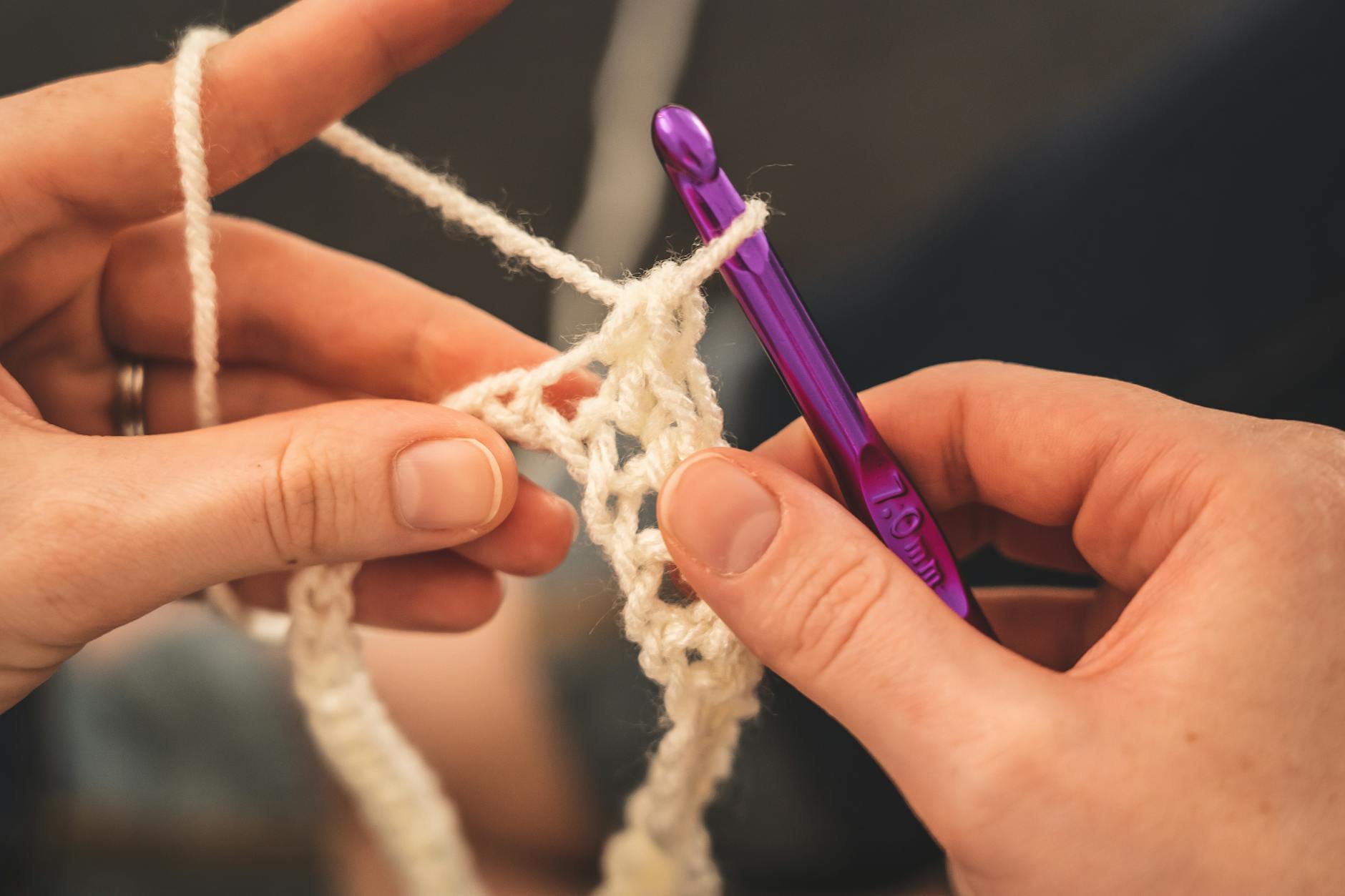
Double Crochet Stitch: How to Use It for Unique Patterns That Sell
"Most 'unique' crochet patterns aren't unique because of crazy shapes. They're unique because of the fabric." That's the quiet truth we lean on when we design.
If you want patterns that sell, the double crochet stitch is your best workhorse. It's fast, it drapes well, and it takes texture tricks beautifully. The real win is you can use the same basic stitch to create fabrics that look totally different, then build a product around that look.
Start with a Sellable Fabric, Not a Finished Product
People don't buy a pattern because it's "double crochet." They buy it because the finished item looks good in a photo and feels good in real life.
The double crochet stitch sits in a sweet spot: taller than single crochet, so it works up fast, but still structured enough to hold shape. That makes it ideal for patterns where customers want progress without floppy results.
Before you design the item, decide what kind of fabric you're selling. Use this quick decision framework.
- Choose a dense double crochet fabric (smaller hook, tighter tension, fewer chain spaces) if you want clean edges and sharp stitch definition. Great for bags, baskets, and structured home items.
- Choose a drapey double crochet fabric (normal hook size, relaxed tension, occasional chain spaces) if you want flow. Great for wearables, wraps, and blankets.
- Choose a lacy double crochet fabric (bigger hook, planned chain spaces, open repeats) if you want "wow" photos and light weight. Great for shawls, summer tops, and curtains.
A simple test we use: make a 6-inch swatch in your yarn, then hold it up by one corner. If it folds into a soft triangle, it will drape. If it stays more square, it will hold shape.
If you're still choosing yarn and hooks, our materials breakdown can save you time: crochet supplies and materials for better fabric choices.
How to Build Unique Texture Using Double Crochet Stitch Variations
The fastest way to create a "new" look is to change where you insert the hook, or what you do between stitches. The double crochet stitch is perfect for this because the stitch is tall enough to show the change clearly.
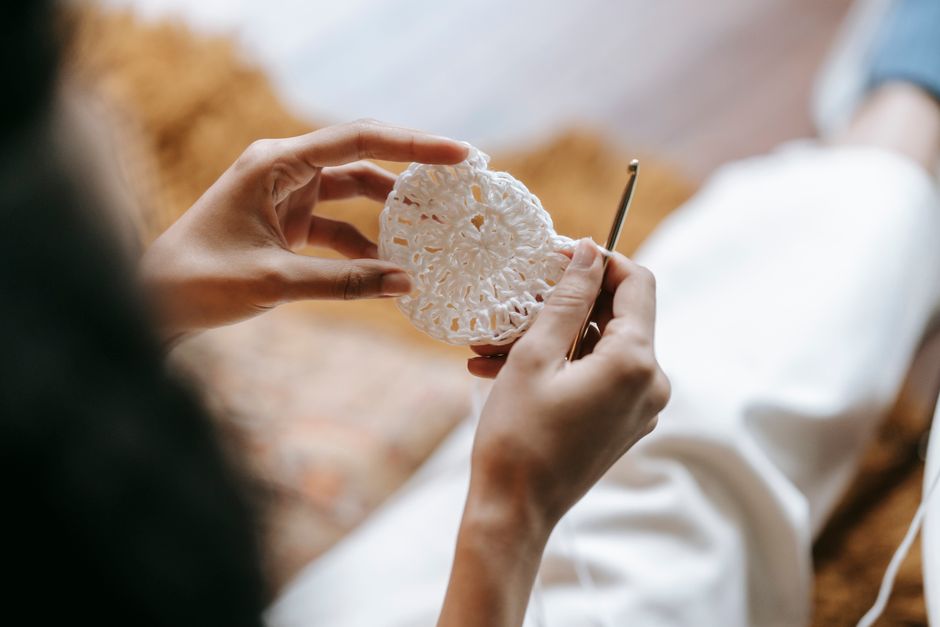
Here are variations we use constantly in sellable designs, plus what they're best for.
Front/back Loop Only for Clean Ribs
Work your double crochet stitch into:
- Back loop only (BLO) for a subtle horizontal ridge. It reads as modern and tidy.
- Front loop only (FLO) for a slightly different ridge that pops in certain lighting.
BLO rows also make patterns easier for beginners to spot and count, which reduces "help, I'm lost" messages after a sale.
Front/back Post Double Crochet for Big, Photogenic Texture
Post stitches wrap around the post (the "body") of the stitch from the row below instead of going into the top loops.
- Front post double crochet (FPdc) pushes texture toward the front.
- Back post double crochet (BPdc) pushes it back.
Alternate FPdc and BPdc and you get ribbing that looks advanced, but is still just double crochet moves. This is gold for hat brims, sweater hems, and basket sides.
Chain Spaces for Lace That Still Feels Stable
A lot of lace feels fragile. Double crochet lace can feel solid because the tall stitches act like pillars.
Try repeats like:
- (dc, ch 1, dc) in the same space for a "V" that stacks nicely.
- dc, ch 2, skip 2 for bolder holes that photograph well.
The pattern "sells" better when the lace is intentional and even. That means you need clear instructions for where each chain space goes, and consistent multiples in your stitch counts.
A Worked Example: Turn One Swatch Into Three Products
We're going to take one base idea and turn it into three different patterns you could realistically list. This is how we design without reinventing the wheel.
Step 1: Make a Base Swatch with a Simple Repeat
Pick a repeat that looks good after 6 to 8 inches of height.
Here's a strong seller-style fabric that's simple but textured:
- Chain a multiple of 3 + 2.
- Row 1: dc in 3rd chain from hook and across.
- Row 2: ch 2, turn. (FPdc around next stitch, BPdc around next stitch, FPdc around next stitch) repeat across. End with dc in last stitch.
- Row 3: ch 2, turn. Work BPdc on top of FPdc, and FPdc on top of BPdc (this keeps the ribbing consistent). End with dc in last stitch.
- Repeat Rows 2 and 3.
This creates bold ribs with great stitch definition. It looks "premium" even in plain yarn.
Step 2: Choose Three End Uses Based on the Fabric's Behavior
Now we turn that same fabric into products by changing shape and finishing.
- Product A: Mug Cozy Pattern (fast, beginner-friendly)
- Product B: Market Bag Base + Texture Panel (practical, higher perceived value)
- Product C: Headband/Ear Warmer (great photos, low sizing risk)
Same stitch family, three different customers.
Step 3: Add One "Signature Detail" so It Doesn't Look Generic
This is the part many designers skip. You need one detail that's yours.
Pick one:
- A clean border (crab stitch, single crochet with slip-stitch corners, or a tight round of half double crochet).
- A deliberate stripe plan (two neutral rows, one pop-color row, repeat).
- A shaped edge (short rows to curve, or planned decreases for taper).
That signature detail becomes the listing photo that stops the scroll.
Make Patterns That Sell: Practical Design Checks (so Buyers Succeed)
A "sellable" pattern is not just attractive. It's reliable for the buyer.

These are the checks we run before we list a design based on double crochet fabric.
Keep Counting Simple, Even in Textured Sections
Post stitches and chain spaces make counting harder.
Help the buyer by:
- Using repeats that are easy to spot (like 2-stitch ribs).
- Calling out row stitch counts at the end of each row.
- Adding "If your count is off..." notes where mistakes happen.
Plan for Sizing Without Turning It Into Math Class
If your item is wearable, write sizing in plain steps.
- Give a target measurement (like width or circumference).
- Explain how to add repeats cleanly (for example, "add 3 stitches to add one repeat").
- Note how length changes after blocking (washing and shaping to size).
Photos and Finish Matter More Than Fancy Stitches
Double crochet can look flat if it's photographed flat.
What we've found helps listings:
- Photograph texture at an angle, not straight-on.
- Use light that shows shadows in the ribs or lace.
- Include one close-up so buyers see stitch definition.
If your end goal is selling finished makes (not just patterns), you'll also want patterns that feel "giftable." This guide is a good next read: how to crochet patterns for gifts that turn out cute every time.
Common Double Crochet Pitfalls That Cost You Sales
These aren't "crochet mistakes." They're "returns, bad reviews, and abandoned projects" mistakes.
Turning Chains That Look Like Gaps
The standard turning chain for double crochet is ch 2 or ch 3, but what matters is how it looks.
If your edges show holes:
- Try ch 2 instead of ch 3.
- Use a standing double crochet (start a new row without chains).
- Write your pattern so the turning chain does not count as a stitch, then place the first dc in the first stitch.
Pick one method and stick to it throughout the pattern.
Post Stitches That Lean or Puff
Post stitches can distort if tension changes.
Fix it by:
- Using the same yarn tension on the "wrap" around the post.
- Avoiding yanking the stitch tight after pulling through.
- Blocking the finished piece before taking final photos.
"Pretty Swatch, Weird Finished Item" Syndrome
A textured swatch can behave differently when it's wide.
Before publishing:
- Make the item at least once in full size.
- Check if the fabric grows downward (common with drapey double crochet).
- Confirm straps, handles, or bands don't stretch too much.
If it stretches, add structure. A smaller hook for the band or a slip-stitch edge can change everything.
FAQ
Can Beginners Use the Double Crochet Stitch to Make Patterns That Sell?
Yes. The stitch itself is beginner-friendly, and buyers often like patterns that work up fast. The key is writing clear repeats, giving stitch counts, and choosing a shape that forgives small tension differences.

What Products Sell Best with Double Crochet Textures?
In our experience, items with bold texture that still feel practical do well, headbands, market bags, pillow covers, and simple wearables with a clean border. These photograph well and don't require complex shaping.
How Do I Make a Double Crochet Fabric Feel More "Premium"?
Use deliberate texture (post stitches or loop-only ribs), add a crisp border, and keep edges clean. Also choose yarn that shows stitch definition, smooth cotton, wool, or a well-spun acrylic.
Build Your Next Sellable Design
The double crochet stitch isn't "basic" if you treat it like a fabric system. Change insertion points, add chain spaces on purpose, and build one signature detail into the finished look.
If you want a shortcut, start with one swatch and force yourself to create three end products from it. That's how you build a pattern line that looks cohesive, not random.
We post our own pattern drops and designs at https://artncraftartncraft.art, and we keep them focused on pieces people actually want to make and use.