
How to Crochet Unique Stuffed Animals: Buy Detailed Crochet Patterns Today
That sad moment when your "cute bunny" turns into a lumpy potato is real. If you've ever stared at uneven stitches and wondered what went wrong, you're in the right place. How to Crochet Unique Stuffed Animals gets easier fast when you follow a detailed pattern, pick the right yarn, and use a few pro shaping tricks.
This guide shows you what makes an amigurumi (crocheted stuffed toy) look truly special, not store-bought and not generic. You'll learn how good patterns are written, what supplies actually matter, and how to get clean faces, sturdy limbs, and smooth curves. If you want to skip guesswork, you can also buy the kind of step-by-step crochet patterns that make results predictable.
Why "Unique" Stuffed Animals Usually Fail (and How a Great Pattern Fixes It)
Most people don't mess up because they "can't crochet." They mess up because stuffed animals need shaping, structure, and tiny details that basic squares never teach. A simple stitch count mistake can shift a face, twist a leg, or make the head too heavy.
A detailed pattern fixes that by giving you more than a list of rounds. It tells you where to place increases and decreases (stitch changes that make fabric expand or curve), how to align parts, and how to check symmetry as you go. The best patterns also include notes like "stuff firmly here, lightly there," which is the secret to a toy that holds its shape.
Here's what usually causes that "potato plush" look, and what you should look for in a pattern instead:
- Vague instructions like "shape as desired" instead of exact stitch counts
- No guidance on stuffing density, which causes lumps and sagging
- Parts that don't match (arm openings bigger than the shoulder join)
- No placement markers for eyes, muzzle, or ears, so the face drifts
- Missing finishing steps (like how to close gaps cleanly)
If you want patterns that read like a calm teacher sitting beside you, check out crochet patterns for stuffed animals. It's packed with design details that help your work look "alive," not flat.
How to Crochet Unique Stuffed Animals with Better Materials and Better Planning
You don't need a craft room full of tools, but materials matter more with toys than with scarves. A stuffed animal gets hugged, squished, and sometimes washed. So your yarn choice, hook size, and stuffing quality all affect how "pro" it looks.
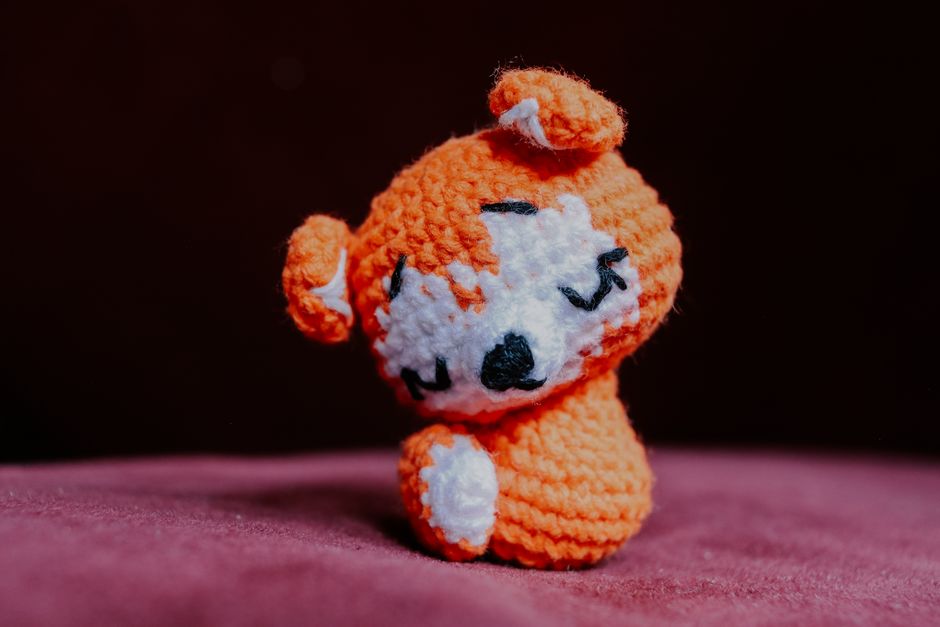
Start with a yarn that gives tight stitches. For most amigurumi, people size down their hook so the fabric is dense and stuffing won't poke through. Cotton yarn makes crisp stitches and clean edges, while acrylic can feel softer and cheaper, but may fuzz faster. If you're selling finished toys, durability matters even more.
Safety is also part of "unique." If the plush is for a small child, embroidered eyes are safer than plastic safety eyes. The U.S. Consumer Product Safety Commission shares product safety guidance and recalls that can help you think about hazards like small parts and cords (CPSC).
A simple planning checklist before you start saves hours later:
- Pick the final size and who it's for (baby, teen, collector)
- Match yarn weight to that size (thin yarn for tiny details, thicker for big plush)
- Choose a hook one or two sizes smaller than the yarn label suggests
- Decide on eyes (embroidered, felt, safety eyes) before the face is closed
- Read the whole pattern once so you know the build order
After you've made a couple toys, you'll notice something funny. The "hard part" is rarely the crochet. It's the planning, the shaping, and the finishing.
Pattern Shopping: What "Detailed" Really Means (Comparison Guide)
Not all crochet patterns are written the same, even when they look similar on the cover photo. Some patterns assume you already know every trick. Others guide you step-by-step with photos, stitch counts, and clear assembly help.
If your goal is to learn How to Crochet Unique Stuffed Animals, shop for patterns that teach skills as you build. That way, every new toy makes you better, not just tired.
Here's a quick comparison so you can spot quality at a glance.
Basic pattern (fine for confident makers):
- Short instructions with minimal notes
- Few photos, sometimes only the finished plush
- Assumes you know how to sew parts evenly
- Often skips exact placement details for facial features
Detailed pattern (best for consistent results):
- Round-by-round stitch counts plus checkpoints
- Photo support for tricky sections like muzzles and limbs
- Clear assembly maps (for example, "attach ear between rounds 12 and 16")
- Tips for stuffing firmness and shaping with your hands
- Yarn alternatives and gauge guidance (gauge means how tight your stitches are)
Before you click buy, scan for "technique notes." A good pattern might mention invisible decrease (a smoother way to decrease) or color-change methods that prevent jagged stripes. If you like making advanced gifts or selling finished plush, you'll love patterns that build skills. This pairs nicely with crochet patterns for advanced techniques when you're ready to level up.
One more thing people forget: licensing and fair use. If you plan to sell finished items made from a pattern, always read the designer's policy. The U.S. Copyright Office explains how copyright applies to creative works and why permissions matter (U.S. Copyright Office).
The Build Process That Makes Stuffed Animals Look Custom (Not Generic)
Uniqueness isn't just about choosing a rare animal. It's about adding character with shaping and small choices. You can take the same "bear base" and turn it into a sleepy bear, a grumpy bear, or a fancy bear with a scarf and embroidered eyebrows.

A detailed pattern usually follows a smart build order: head and body first, then limbs, then face details, then assembly. That order keeps you from placing eyes too late or discovering the head is too heavy after it's sewn on.
If you're learning How to Crochet Unique Stuffed Animals, focus on four "custom levers" that change the look fast:
- Proportions: Bigger head, shorter limbs, or tiny snout can change the vibe
- Texture: Bobble stitches (little bumps) make paws or fur patches stand out
- Color placement: A belly patch, ear tips, or eye masks create instant personality
- Facial expression: Eyebrows, blush, or a curved mouth can tell a story
Here's a practical step-by-step routine you can repeat for most toys:
- Crochet the head and pause before closing, then test eye placement with pins
- Add safety eyes or embroider eye shapes while the head is still easy to reach
- Stuff the head firmly, shape it with your hands, and close with a tight finish
- Crochet the body and check balance by stacking head on top before sewing
- Make limbs in pairs, count rounds carefully, and stuff evenly
- Sew parts on with strong thread, checking symmetry every few stitches
- Add final details (nose, cheeks, spots) last so you can "tune" the expression
Between steps, take photos of your progress. It sounds silly, but it helps you spot uneven ears or slightly crooked eyes before they're locked in.
For current maker trends, 2025 has seen a continued rise in crochet interest, with major craft platforms reporting steady demand for amigurumi and wearable crochet items. One easy way to track what people are actively making is the Pinterest annual trend reporting, which often highlights crafts gaining momentum (Pinterest Predicts). Use that kind of data to choose animals, themes, and colors that feel fresh.
Finishing Details That Separate "Cute" From "Collector-Quality"
Finishing is where most handmade stuffed animals either shine or fall apart. You can crochet perfect rounds and still end up with a toy that looks messy if the seams show and the stuffing bulges.
The biggest finishing upgrade is clean assembly. Sew with the same yarn or a matching strong thread. Keep stitches small and consistent. If you see gaps, don't just pull tighter, redistribute stuffing and check stitch tension.
These finishing moves make a huge difference:
- Invisible decreases: They reduce the "holes" that show up on curves
- Ladder stitch closing: It gives a smooth seam when you close openings
- Needle sculpting: You shape cheeks and snouts by pulling thread through key points
- Weighted bottoms: A few plastic pellets in a pouch can help a plush sit up
- Brushed yarn (carefully): Light brushing can add a fuzzy look for fur characters
After you add facial features, set the toy down and walk away for five minutes. Come back and look at it from across the room. If one eye reads higher than the other, fix it now. Small tweaks are easier before you tie off and hide ends.
If you're buying patterns to save time, look for ones that include finishing photos. A designer who shows the "ugly middle" steps is usually trustworthy, because they know where makers get stuck.
FAQ How to Crochet Unique Stuffed Animals
###[H3] What's the Best Yarn for Unique Crochet Stuffed Animals?

Cotton yarn is a great pick when you want crisp stitches and clean shaping. It holds detail well for snouts, toes, and colorwork. Acrylic is softer and often cheaper, so it's fine for big cuddly plush, but it can fuzz with heavy handling. If you want a polished look, choose a smooth yarn and crochet tight so stuffing doesn't show.
###[H3] How Do I Keep My Stuffed Animal From Looking Lumpy?
Lumps usually come from uneven stuffing and loose stitches. Stuff in small pieces and spread it with your fingers, instead of pushing in big chunks. Use a smaller hook than the yarn label suggests to make dense fabric. A detailed pattern also helps by telling you where to stuff firmly (like the head) and where to stuff lightly (like arms).
###[H3] Are Safety Eyes Actually Safe for Kids?
Safety eyes can be secure, but they're still small parts, so many makers avoid them for babies and toddlers. Embroidered eyes are the safest choice for very young children. If you do use safety eyes, install them before you fully stuff and close the head, and follow the manufacturer's instructions. It's also smart to review toy safety guidance from official sources like CPSC.
###[H3] What Skill Level Do I Need to Follow Detailed Crochet Patterns?
Most detailed patterns work for advanced beginners and up, as long as you can crochet in the round and count stitches. They often teach extra skills as you go, like invisible decreases, color changes, and basic sewing. If you're brand new, start with a simpler toy first, then come back to a more detailed animal once you're comfortable.
###[H3] Can I Sell Stuffed Animals Made From a Bought Pattern?
Sometimes yes, sometimes no. Each designer has a policy, and you should read it before selling. Many allow selling finished items in small batches if you credit the pattern designer, but they may restrict mass production. If you're unsure about how copyright works for patterns and finished items, the U.S. Copyright Office is a good place to learn the basics.
Choose Your Next Pattern and Start Crocheting Something No One Else Has
If your goal is to make plushies that don't look like everyone else's, you don't need more random tips. You need a pattern that guides every round, every placement, and every finishing choice. That's the fastest path to learning How to Crochet Unique Stuffed Animals without wasting yarn on trial and error.
Pick one animal that makes you smile, then commit to making it slowly and neatly. Take notes on what you loved and what you'd change next time. If you want a curated buying guide for getting the right pattern style for your skill level, visit buy custom crochet patterns online and choose a design that fits your vibe.
Ready to make something truly yours? Buy a detailed crochet pattern today, grab your favorite yarn, and turn that "potato plush" into a character you're proud to gift or sell.