
Crafting Unique Crochet Patterns: Complex Designs You Can Actually Sell
Your "complex" crochet patterns can be gorgeous and still flop in a shop.
It usually happens for one of three reasons: the design is hard in the wrong way (fiddly, not impressive), the pattern is hard to follow (even if the project is fine), or the price doesn't match the buyer's skill and expectations. This guide is a practical way to craft unique, advanced-looking crochet patterns that sell, without turning your process into chaos.
Choose the Right Kind of "Complex" (Buyable vs. Brag-Worthy)
Not all complexity is profitable. Some complexity looks amazing in photos and feels miserable to make. Other complexity looks premium, but builds from repeatable sections that crocheters enjoy.
Here's a decision framework we use when we design patterns meant to sell.
Complexity That Tends to Sell
These add "wow" without turning the project into a stress test:
- Strong shape or silhouette changes (curved bags, sculpted plush, fitted yokes)
- Colorwork that's structured (planned stripes, clean motif placement)
- Texture with repeatable logic (cables, post-stitch ribs, overlay crochet panels)
- Modular builds (motifs, panels, parts you seam together)
- Mix-and-match options (two ear styles, three strap lengths, optional lining notes)
This kind of complexity photographs well and feels achievable. Buyers like that.
Complexity That Often Hurts Sales
These can still be art, but they're harder to sell as a pattern unless your audience is very advanced:
- Constant stitch-count changes every row with no rhythm
- Tiny pieces that must be assembled with perfect tension
- Heavy reliance on "feel it out" shaping with few measurements
- Complicated construction that's hidden once worn (buyers pay for visible results)
A pattern can be challenging, but it should feel fair. The crocheter should understand why each hard bit is there.
Build a "Signature" Pattern Concept That Isn't Easy to Copy
If your design looks like five other listings, your only lever is price. Unique crochet patterns usually have one clear signature idea that carries the whole piece.

A signature idea is not "it's cute" or "it uses velvet yarn." It's the design rule that makes the project yours.
Examples of signature ideas that help your pattern stand out:
- A repeatable motif that becomes structure (a flower that turns into a bag panel)
- One bold feature (oversized collar, dramatic ridges, exaggerated paws)
- A constraint (only two colors, or only one stitch family) that still looks rich
- A modular system (same base, four add-ons that change the final look)
Then protect that idea by making choices that are hard to imitate without your pattern.
- Use a distinctive construction sequence (like working pieces in an unexpected order)
- Add sizing logic (not just "make it bigger," but where to add rounds and why)
- Include finishing details (eye placement guides, strap reinforcement notes)
If you want to go deeper on the full design process, our step-by-step guide on how to create custom crochet patterns is the closest thing to our internal checklist.
Worked Example: Turn One Advanced-Looking Idea Into a Sellable Pattern
Here's a concrete way to turn "complex" into something you can write, test, and sell.

The Concept
Design: a structured, curved mini shoulder bag with a textured front panel and two strap options.
Signature idea: a raised geometric panel (overlay-style texture) that sits on a smooth body, so the texture pops in photos.
Make It Complex in Photos, Simple in Workflow
We'd build it in three repeatable zones:
- Base oval (sets size and curve)
- Body rounds (mostly plain stitch for speed)
- Feature panel (texture in a bounded rectangle)
That keeps the project interesting, but not exhausting.
Write the Pattern so Buyers Feel Safe
In the pattern, we'd include:
- A one-paragraph "what you're making" summary (size, strap drop range, closure type)
- A stitch key with plain-language notes (example: "FPdc (front post double crochet), wraps around the post of the stitch below to create a ridge")
- A construction map (Base → Body → Panel → Assembly → Strap)
Then we'd add two "confidence rails" that reduce refunds and complaints:
- Checkpoints: "After Round 6, your oval should measure about X wide."
- If your stitch count is off: a tiny troubleshooting note right where errors happen.
Offer Options Without Writing Two Patterns
Options sell because buyers picture it as "their" bag. But options can make patterns messy.
Clean options look like this:
- Strap A: skinny strap (works up fast)
- Strap B: wider strap with reinforcement row (better for heavier yarn)
Same bag body. Same assembly. One optional section.
Price for the Right Buyer
Pricing isn't only about hours. It's also about who can finish it.
- If the bag needs careful tension and counting, aim it at confident crocheters.
- If the hard part is just one textured panel, more people can finish it, so volume can be higher.
A good gut-check: your pattern price should make sense next to the time and skill a buyer expects, and the uniqueness they see in the photos. If the pattern looks like a standard rectangle tote, buyers resist higher prices. If it has a signature panel and a clean shape, they'll pay more comfortably.
Make Complex Crochet Patterns Easier to Follow (Without Dumbing Them Down)
Most "this pattern is confusing" feedback comes from layout and assumptions, not from the actual stitches.
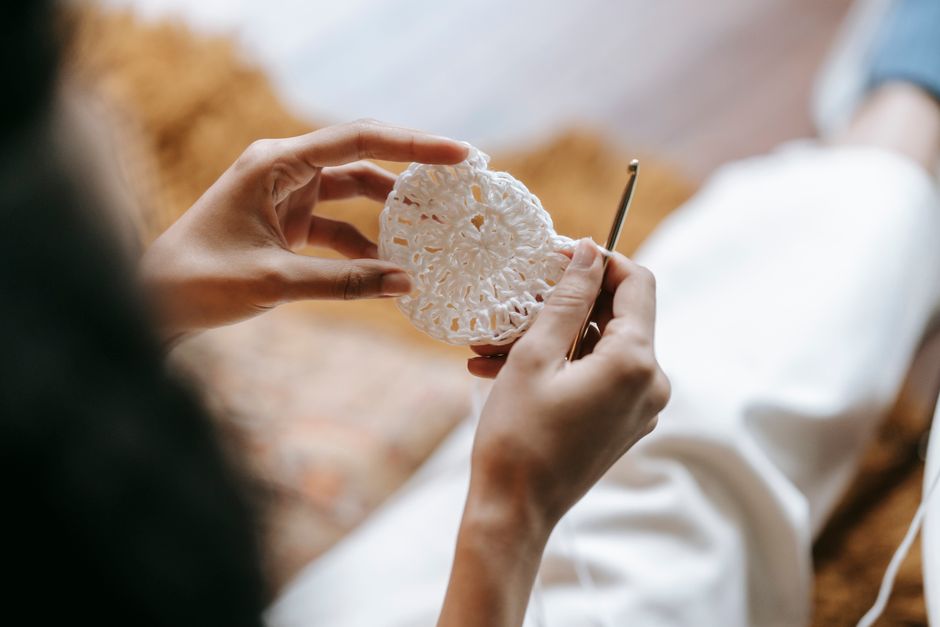
These are the fixes we lean on when writing advanced crochet patterns.
Use Repeat Labels and Memory Aids
If a motif repeats, name it.
- "Motif A (8 rounds)" is easier than "Repeat rounds 12-19 three times."
Then include a short reminder sentence before each repeat. Don't make the crocheter scroll up and hunt.
Put Counts Where Eyes Naturally Land
A clean line beats a paragraph.
- "Round 14: sc in each st around. (96)"
If counts shift inside the round, add mini-counts after each section.
- "(sc 10, inc) x 6. (72)"
Add "Why" Notes Only Where They Prevent Mistakes
Too many notes make people stop reading.
Use "why" notes only for:
- preventing a common wrong turn ("This seam sits on the inside.")
- keeping symmetry ("Mark the new round start now, it moves here.")
- explaining a weird-looking step ("It will ripple now, it flattens after Round 5.")
Plan Your Tester Brief Like a Product
Testing isn't "make it and tell me if it works."
A useful tester brief asks for specific feedback:
- Where did you hesitate?
- What line did you reread twice?
- Did your piece match the checkpoint measurements?
- What yarn and hook did you use, and did it change the size a lot?
Those answers tell you what to rewrite.
If you're building truly advanced work, our guide to custom crochet patterns for advanced projects covers the techniques and design choices that tend to command higher prices.
Profit Tips Most Designers Learn the Hard Way
Unique designs don't always equal profit. Profit shows up when your pattern is easy to buy, easy to trust, and hard to replace.
Don't Sell "a Pattern," Sell a Finished Result
Your listing and your pattern should agree on the promise.
- Include 3 to 6 photos that show shape, scale, and details
- Show at least one close-up of the signature feature
- Say who it's for in one line (confident beginner, intermediate, advanced)
People don't buy instructions. They buy the finished look.
Add Value with Small, High-Impact Extras
These barely add time, but they boost buyer confidence:
- A one-page "stitch count tracker" at the end
- A material substitution note (what changes if yarn is heavier)
- A finishing checklist (weave ends, block, attach parts, final measurements)
Watch for the Sneaky Profit Killers
A pattern can be beautiful and still drain your time after launch.
Common profit killers:
- Too many support messages because the layout is unclear
- A design that only works in one exact yarn, so buyers struggle
- A "complex" step that causes consistent mistakes (rewrite or redesign it)
If you keep getting the same question, that's not a customer problem. That's a line-edit problem.
FAQ
How Complex Should Crochet Patterns Be to Sell Well?
Complex enough to look special in photos, but repeatable enough that crocheters feel progress. One signature feature plus a stable construction usually sells better than constant row-by-row changes.
Do I Need to Be an Expert to Design Advanced Crochet Patterns?
You need control over shaping, stitch counts, and finishing. If you're still building fundamentals, start with a simpler base and add one advanced feature. Our how to crochet for beginners guide can help you tighten the basics so your patterns read clean.
What's the Biggest Mistake That Makes Patterns Feel "Too Hard"?
Skipping checkpoints. A single measurement check every few sections can save a crocheter from ripping back 30 minutes later.
If you want a pattern that feels high-skill but stays enjoyable to make, that's exactly what we design and sell at https://artncraftartncraft.art. Start with one signature idea, build it with repeatable sections, then write it like you want zero confused messages after launch.