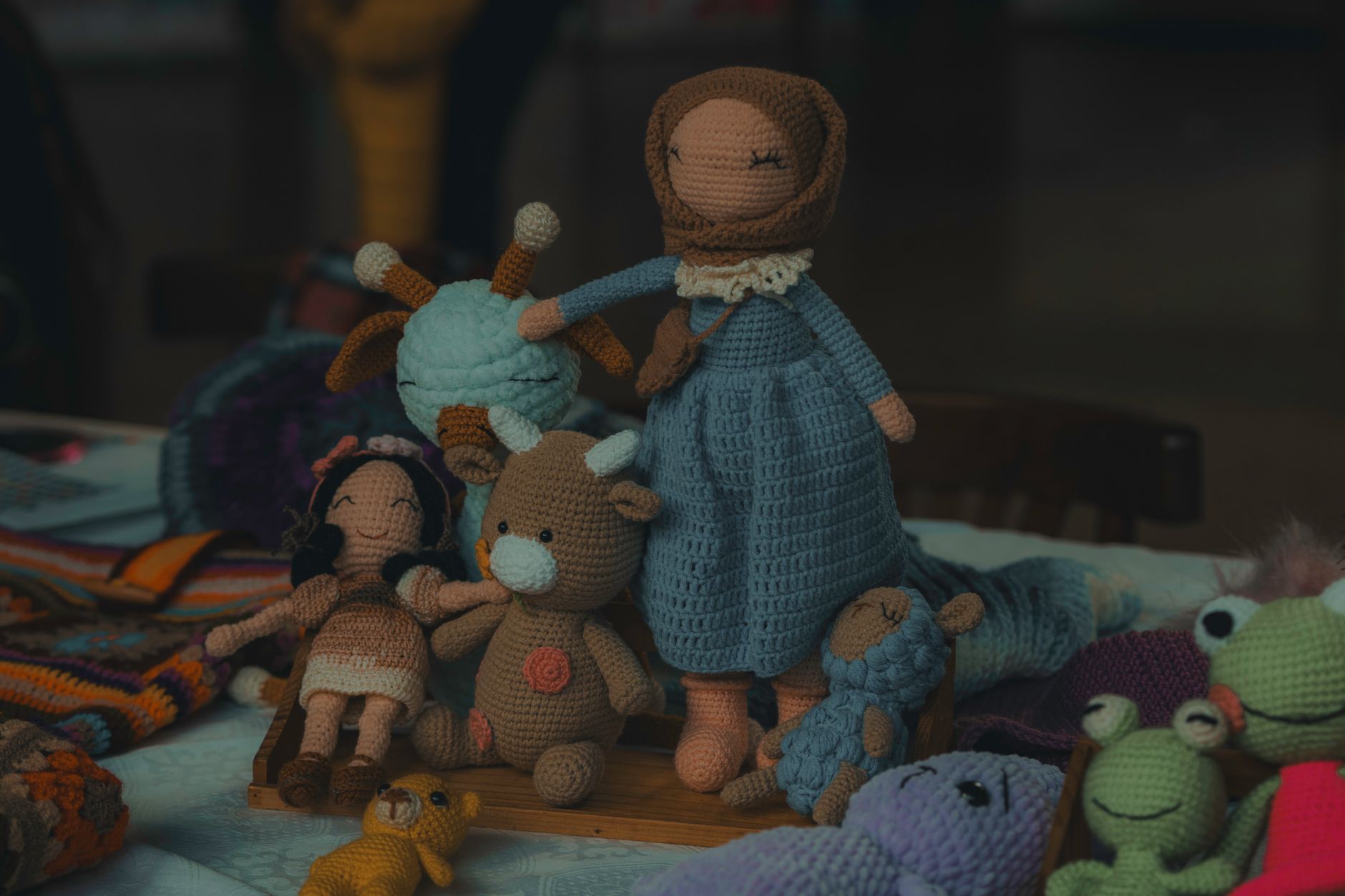
How to Crochet Intricate Patterns: Craft Unique Stuffed Animals for Sale
Crochet toys aren't just cute, they're big business. In 2025, online "handmade" searches kept trending upward as more shoppers wanted personal gifts instead of mass-made ones. If you're Googling How to Crochet Intricate Patterns, you probably want two things right now: cleaner, more detailed plushie shapes, and patterns you can confidently sell. This guide shows you exactly how to build complexity on purpose, from stitch choices to shaping tricks, so your stuffed animals look polished and store-ready.
Before we get into the details, here's the promise: you don't need "magic hands" to make intricate crochet stuffed animals. You need a repeatable process, a few smart techniques, and a finishing routine that makes every piece look professional.
How to Crochet Intricate Patterns Without Losing Your Mind
Intricate crochet patterns feel hard for one main reason: there are more moving parts. You're tracking color changes, counting rounds, shaping limbs, and trying to keep everything even. The fix is not "try harder." The fix is setting up a system that makes mistakes obvious early.
Start by treating your pattern like a map. Read the full pattern once before you pick up your hook. Circle the parts that change fast, like short rows, rapid increases, or sections with multiple pieces. If you're designing your own, write notes as if you're teaching someone else, because future-you is "someone else."
A simple workflow makes the difference between a toy that looks handmade in a good way and a toy that looks rushed.
- Print or copy the pattern into a note app so you can mark rounds
- Use stitch markers at key points (start of round, color-change points, symmetry points)
- Count every round with a quick "audit" (does the stitch count match what it should be?)
- Write down any change you make so you can reproduce it later
You also want the right materials for detail. Plush yarn can hide flaws, but it can also blur small shapes. Smooth worsted or DK yarn often shows details better, especially for faces, toes, and tiny accessories.
- Use a smaller hook than the label suggests for tighter stitches
- Choose stitch markers that lock, so they don't fall out mid-round
- Keep a tapestry needle just for sewing seams cleanly
- Pick safety eyes that match the scale of your toy (too big looks cartoony fast)
If you want a deeper base on toy structure and design, this pairs well with How to Crochet Stuffed Toys.
Design Details That Make Stuffed Animals Look "High-End"
The secret to fancy-looking crochet stuffed animals is not more stitches, it's better decisions. Intricate doesn't mean complicated everywhere. It means you choose a few areas to make special, like the face, paws, tail, or outfit, then keep the rest clean and smooth.

A great way to plan detail is to sketch a "feature list" before crocheting. Think of your plushie like a character. What makes it instantly recognizable? A fox might need sharp ears and a white snout. A dragon might need a ridge of spikes and a curved tail. Those signature parts are where you spend your effort.
Here are detail upgrades that buyers notice immediately in product photos:
- Sculpted snouts using increases and decreases instead of flat embroidery
- Separate eyelids or eye patches to create expression
- Two-tone inner ears that are stitched in neatly (not just surface yarn)
- Defined toes using light embroidery or shallow stitch lines
- Tiny accessories, like a scarf, backpack, or crown, to tell a story
Shaping is the real "intricate" skill. You'll use increases (two stitches in one) and decreases (two stitches together) to sculpt curves. Invisible decrease is especially helpful because it keeps the surface smooth. It's a staple in amigurumi (crocheted stuffed toys) because it avoids those little holes that shout "homemade."
If you struggle with symmetry, build pairs at the same time. Crochet both ears together round-by-round, or both arms together, so your tension stays similar. It feels slower, but it prevents the classic problem where the second limb is mysteriously bigger.
- Make a quick checklist of all parts (head, body, arms, legs, ears, tail)
- Crochet mirrored parts in the same session
- Pin pieces to the body before sewing to test placement
- Sew with the same yarn for strength, but use matching tension for clean seams
For a strong approach to creating one-of-a-kind designs meant for customers, read How to Crochet Unique Patterns for Sale.
Step-By-Step: Building Intricate Crochet Patterns That Sell
Selling crochet patterns is different from selling finished plushies. A buyer expects your instructions to be clear, repeatable, and accurate. If your pattern is "intricate," it must still be readable. Think of it like a recipe. Even a fancy cake recipe needs simple steps.
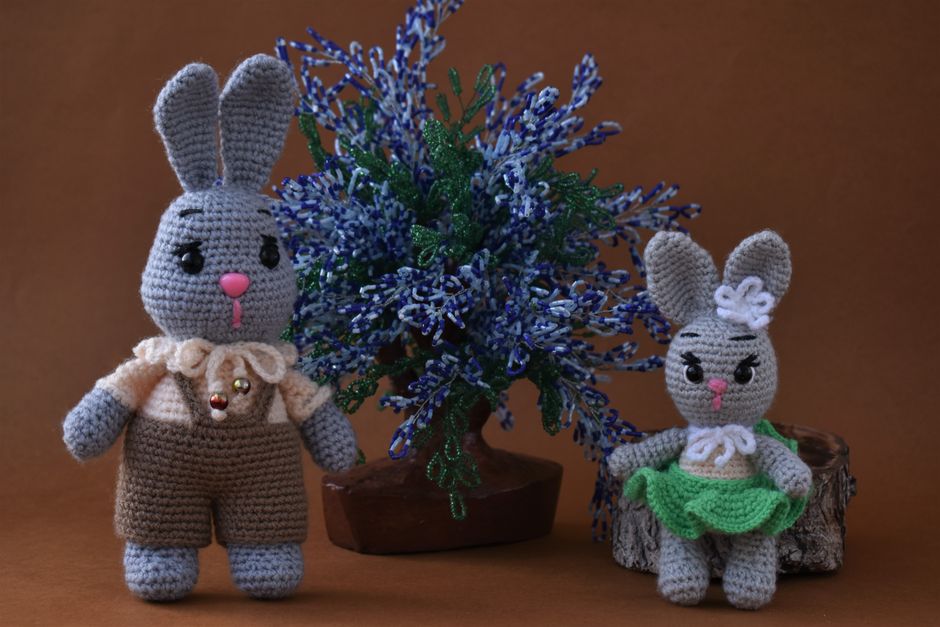
First, choose a "complexity budget." Pick two to four features that add wow factor, then keep the rest straightforward. For example, you might do colorwork ears, a sculpted muzzle, and a removable hoodie. But you keep the body in simple single crochet rounds.
Here's a reliable process for How to Crochet Intricate Patterns that are still beginner-friendly to follow.
- Prototype the plushie with a smooth yarn so stitches are easy to count
- Write down each round as you crochet it, not after
- Add stitch counts at the end of every round or row
- Take progress photos of tricky parts (ears, face shaping, color changes)
- Test the pattern exactly as written, using a fresh ball of yarn and no memory shortcuts
- Ask a tester to crochet it, then update unclear steps based on their feedback
After you have a working pattern, add "help rails." These are tiny notes that prevent frustration. For example, tell the reader where to place markers, how tight stuffing should be, and how to align limbs.
- Include a materials list with exact yarn weight and hook size
- Define every stitch abbreviation in one spot
- Explain special stitches in plain words (example: invisible decrease)
- Note finished size based on your yarn and hook
Pattern selling also benefits from clear policies. If you sell on your Squarespace shop, add a short note about what buyers can and can't do. Many designers allow selling finished items from the pattern but not sharing the pattern file.
For guidance on turning complexity into customer-friendly instructions, this article is a solid companion: How to Crochet Unique Items for Sale.
Pricing, Photos, and Trust: What Actually Moves Patterns
People don't buy crochet patterns only because the toy is cute. They buy because they trust your pattern will work. Trust comes from small signals: clear photos, consistent formatting, and proof that the design has been tested.

Let's talk pricing in a real way. Many independent crochet patterns for stuffed animals sell in the $4 to $10 range, depending on complexity, number of pages, photo support, and uniqueness. If your plush has multiple outfits, advanced shaping, or several sizes, you can price higher. If it's a simple beginner toy, keep it lower and focus on volume.
Strong product listings usually include:
- A finished plushie photo from the front, side, and back
- A close-up of the face details and any special features
- A list of skills needed (color changes, sewing, working in the round)
- The finished size and yarn details
- A short story hook (why this plush is special)
For more credibility, use real standards and data when you can. For example, the U.S. Small Business Administration has practical guidance on pricing and market research that applies to any handmade business, even digital patterns: U.S. Small Business Administration.
If you use safety eyes, make sure you mention safety clearly. Many buyers crochet for kids, and safety eyes are not recommended for children under 3 because of choking risks. The U.S. Consumer Product Safety Commission has general consumer safety guidance worth understanding as a maker: CPSC.
Finally, pattern files must feel professional. Use a clean PDF layout, add page numbers, and include a "quick start" section. If you're citing yarn weights and standards, the Craft Yarn Council has widely used yarn weight information that helps you label patterns accurately: Craft Yarn Council.
FAQ
What's the Best Way to Learn How to Crochet Intricate Patterns Faster?
Speed comes from repetition, not rushing. Pick one technique to practice for a week, like invisible decreases, color changes, or shaping with short rows. Crochet small swatches or tiny practice parts, like just ears or paws, instead of full toys every time. Keep notes on hook size, tension, and what looked best, so you build your own reference library.
How Do I Keep My Stitch Counts Correct in Detailed Amigurumi?
Use stitch markers more than you think you need. Place one at the start of the round, and add extra markers every 10 stitches on big rounds. Count at the end of every round and compare to the pattern's stitch count. If it's off, fix it right away, because being "only two stitches off" can wreck shaping later.
What Yarn Is Best for Intricate Stuffed Animal Details?
Smooth yarns show detail best. Worsted weight cotton or acrylic makes stitches easy to see and helps faces look crisp in photos. Plush or velvet yarn feels soft, but it can hide stitch definition and make small details harder. A smart approach is to prototype in smooth yarn, then offer plush yarn tips as an optional variation.
Can I Sell Finished Stuffed Animals Made From My Own Patterns?
Yes, and you can also sell the digital pattern itself. If you're writing the pattern, you set the terms for your customers. Many designers allow buyers to sell finished items they make, as long as they don't resell or share the pattern file. Put your permissions in your listing, and keep the wording simple so there's no confusion.
How Do I Make My Crochet Pattern Look Professional Enough to Charge More?
Polish is a bundle of small things: consistent abbreviations, stitch counts, clear section headers, and helpful photos. Include a materials list, gauge notes if relevant, and a clean assembly section with placement tips. Most importantly, have at least one tester follow your pattern exactly as written, then update it based on what confused them.
Your Next Plushie Can Be Your Best Seller
Intricate crochet stuffed animals don't happen by accident. They happen because you pick a few bold details, shape them with intention, and document the process so it's repeatable. If you keep your stitch counts clean, your seams neat, and your photos clear, your designs will stand out in a crowded market.
If you want to keep leveling up, choose one new detail technique for your next plushie and build a mini collection around it. Then list your pattern with strong photos and a clear skill list, so buyers know they can succeed. If you're ready to turn your skills into a product people are excited to buy, start drafting your next pattern today and publish it on your Squarespace shop at https://artncraftartncraft.art.