
Crochet Hook Techniques: Crafting Unique Patterns for Profits
Your swatch looks fine, but the finished item feels like every other listing online. That's usually not a "talent" problem. It's a crochet hook technique problem, a few small choices that change texture, shape, and speed.
If you want to craft unique patterns for profits, you don't need 100 new stitches. You need a repeatable way to pick the right fabric, add a signature detail, and write it clearly enough that strangers can finish it and love it.
Crochet Hook Techniques That Make a Pattern Feel "Designed"
Most patterns that sell well have two things: they look different at a glance, and they fit the buyer's real life (washable, sturdy, the right drape). You can create both with technique choices, not gimmicks.
Here are crochet hook moves we use to turn a basic idea into a product people bookmark.
- Intentional tension changes: Tight tension makes crisp shapes (great for plushies and baskets). Looser tension gives drape (great for wearables and shawls). Write it into the pattern as a note, not a vibe. Example: "Aim for a dense fabric. If stuffing shows, go down 0.5 mm."
- Working in the "third loop" of half double crochet (hdc): This creates a knit-like ridge without switching crafts. It reads premium in photos, and it's still beginner-friendly once shown clearly.
- Front loop only (FLO) and back loop only (BLO) on purpose: BLO gives ribbing. FLO can create clean edges for color changes or applique placement. Use it as a design line, not as a random texture.
- Invisible decreases for clean shaping: Especially for amigurumi (stuffed toys). The shape looks smoother, which photographs better and reduces returns or complaints.
- Yarn-under single crochet (instead of yarn-over): This is a texture shift that many makers don't try. It gives tighter "x" stitches in amigurumi. It's a style choice, so include a note and let makers decide.
A quick rule we use: if the technique changes the way the piece photographs, it can change how well it sells.
Before you decide, match the fabric to the goal. If you're stuck on yarn choices, our guide to best yarn types for creative crochet designs helps you pick fiber for the look you're designing.
A Simple Decision Framework: Choose Techniques by What You're Selling
Profitable patterns usually solve one of these "buying reasons": cute gift, practical item, or statement piece. Each reason wants different crochet hook techniques.

If You're Selling Giftable Items (Fast, Cute, Repeatable)
Buyers want a clear shape, a recognizable theme, and quick wins.
Use:
- Tight single crochet (sc) fabric for clean edges
- Invisible decrease and clean color-change methods
- Simple shaping with increases and decreases placed consistently
Avoid:
- Too many texture stitches that hide the silhouette
- Fancy construction that makes the pattern hard to follow
If You're Selling Practical Makes (Bags, Baskets, Home)
People care about structure, durability, and how it holds up after use.
Use:
- Working in the round with sturdy stitches (sc, hdc)
- Slip-stitch "seams" as design lines to prevent twisty spirals
- Reinforced edges (crab stitch, slip-stitch edging, or a simple corded edge)
Avoid:
- Loose openwork unless it's lined in the instructions
If You're Selling Wearables (Drape and Fit)
Fit and drape matter more than "cute stitches." One wrong fabric choice can ruin a wearable.
Use:
- Swatch-based sizing notes (even if you offer only a few sizes)
- Short rows (turning mid-row) to shape shoulders, necklines, or hems
- Planned ease (how loose it's meant to fit), written in plain words
Avoid:
- Dense sc fabric for garments unless you want a structured jacket look
This framework keeps you from building a lacy stitch pattern into a backpack, or a stiff stitch into a summer top.
Worked Example: Turning a Basic Idea Into a Sellable Pattern
Let's take a simple product idea: a small "scrap-buster" plush that can be made in lots of colors. The goal is a pattern that looks clean in photos, is beginner-friendly, and feels like your design.
Step 1: Pick the Signature Texture
Instead of plain sc, use hdc in the third loop for the body.
Result: subtle ridges that read like "designer texture" from a distance, without slowing the maker down much.
Step 2: Make Shaping Look Professional
Use these crochet hook techniques for clean lines:
- Start with a tight magic ring (or chain-2 start, but be consistent).
- Increase evenly for a round shape.
- Switch to invisible decreases once you start closing.
Write the shaping like this (example wording style):
- "If you see gaps at decreases, pull the loop snug after each decrease."
- "Stuff firmly before the last 6 decreases, or the shape dents."
Those two lines prevent most "my plush looks wrong" messages.
Step 3: Add One Detail That Becomes Your "Tell"
Add a clean contrast edge where parts join. You can do it without extra sewing.
- Join limbs with a surface slip stitch outline after sewing.
- Or, crochet an outline by working slip stitches into the body fabric.
Result: the piece looks finished even in basic yarn.
Step 4: Build It for Pattern Customers, Not Just You
If you crochet fast, it's easy to forget where beginners get lost. Pattern customers need guard rails.
Include:
- A materials line with hook size range (example: "Use the smallest hook that gives a dense fabric.")
- A photo note list (where you suggest photos help most: start, shaping, attaching)
- A "customize" note that invites color swaps, ear shapes, or face options
That last part helps buyers feel like they're getting variety, even from one pattern.
If you're designing for younger gift markets, you'll also like our crochet pattern ideas for kids you can sell guide. It's focused on what actually reads "kid-friendly" and sells as gifts.
Pricing, Photos, and Pattern Clarity (the Profit Part People Skip)
A unique stitch won't save a pattern that's hard to follow or hard to photograph. Profit comes from fewer refunds, fewer confused messages, and more "I finished it" reviews.

Pattern Clarity Checklist (Quick, but It Pays)
Write so a stranger can crochet it on a tired weeknight.
- Define any uncommon method once ("invisible decrease (insert hook into front loops only...)").
- Keep stitch counts at the end of every round or row.
- Use consistent abbreviations and spacing.
- Tell makers what "right" looks like ("piece should be 4 in wide after row 12").
If you sell patterns, clarity is customer service built into the product.
Photo Strategy: Show What's Different
If your design has a signature ridge, seam, or edge, put it in the first two images.
A simple shot list:
- Full item front view
- Close-up of the signature texture (third loop ridge, ribbing, border)
- One "in hand" size reference (optional, but helpful)
Good photos reduce the need to compete on price.
Pricing Mindset (No Fake Math)
We can't tell you the perfect price without seeing your niche, but we can give a solid rule.
Price higher when:
- The pattern includes multiple sizes, options, or add-ons
- The construction is unusually clean (little sewing, strong shaping)
- Your instructions are extremely beginner-proof
Price lower when:
- It's a tiny one-hour make with minimal shaping
- There's no unique detail and the market is crowded
If you want a faster path, build a small collection around one technique. Example: "third loop ridge series," then release a plush, a pouch, and a hat that share the look. That makes your shop feel intentional, and it trains buyers to recognize your style.
Common Technique Mistakes That Kill Sales (and How to Fix Them)
Small technical issues show up huge in product photos and customer results.
- Gappy fabric in plush or baskets: Go down a hook size, change how you hold tension, or switch to yarn-under sc for a denser look.
- Unclear joins in the round: Decide spiral or joined rounds, then stick to it. If it's joined, explain the join and where the seam lands.
- Ribbing that twists or flares: BLO ribbing needs consistent turning and stitch counts. Add a note about not stretching while working it.
- Inconsistent gauge in wearables: Tell people to swatch, then explain what to change (hook size, not "crochet tighter").
These fixes don't just help makers. They protect your reviews.
FAQ
Should I Include Multiple Hook Sizes in My Pattern?
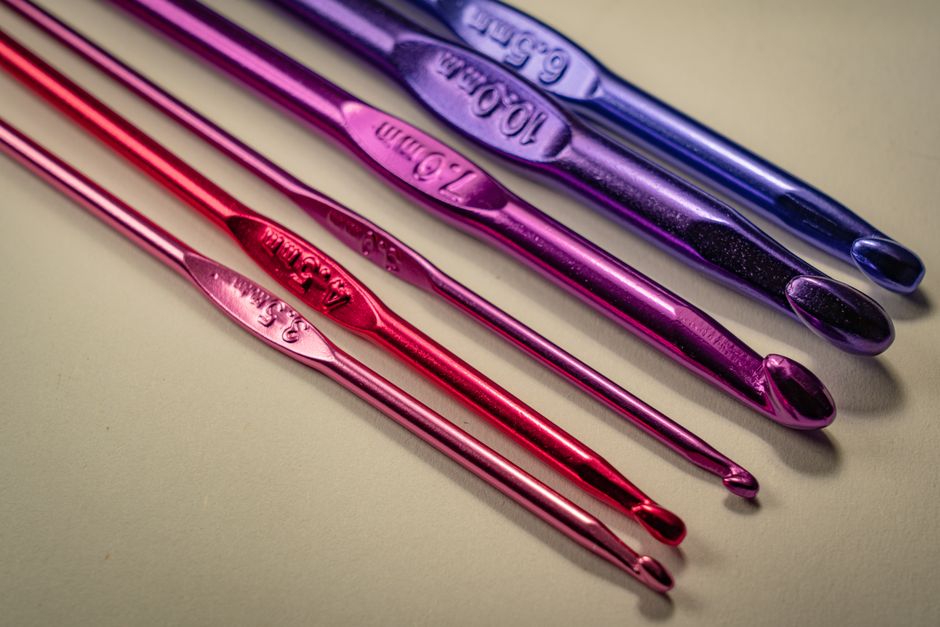
Yes, if the fabric goal matters more than an exact hook number. For dense items, we often write it as a range and explain what "dense enough" looks like.
Do Unique Stitches Make Patterns Harder to Sell?
Sometimes. A better path is one "special" technique paired with simple shaping. That keeps the look unique but the build approachable.
How Do I Know If My Design Is Different Enough to Charge More?
If your photos show a clear signature feature (texture ridge, polished edges, cleaner shaping) and the instructions prevent common mistakes, you can usually justify a higher price than a basic pattern.
Build Your "Signature Technique" Library
If you want patterns that sell without racing to the bottom, pick one crochet hook technique you love and push it across a mini collection. Make it your recognizable style, then write it clearly enough that anyone can get the same clean result.
That's the difference between "another cute pattern" and a shop people come back to.
If you want to skip the experimenting phase, you can also browse our ready-to-make designs at buy detailed crochet patterns for sale.