
How to Crochet Complex Patterns: Master Unique Stuffed Toys for Profit
A lot of crocheters are surprised by this: in 2025, "amigurumi" (crocheted stuffed toys) stayed one of the most searched crochet categories on major marketplaces, and buyers kept paying more for rare, detailed characters than for basic balls and bears. That's the real reason people ask How to Crochet Complex Patterns. They don't just want harder stitches, they want stuffed toys that look like art, photograph well, and sell without racing to the bottom on price.
You can absolutely learn how to crochet complex patterns even if your last plush was a simple whale. The trick is knowing which skills matter, how designers build complicated shapes, and how to plan a "premium" toy from yarn choice to finishing. This guide breaks it down with a clear, profit-focused path, so you can make unique stuffed toys and actually earn from them.
The Real Problem with Complex Crochet Plush Patterns
Complex stuffed toys usually don't fail because the maker "isn't advanced enough." They fail because the pattern has too many moving parts, and the maker doesn't have a system. You might be juggling shaping, color changes, tiny pieces, and clean sewing, all while trying to keep stuffing smooth. One small mistake can shift the face, twist a limb, or make the toy look lumpy in photos.
Another problem is time. If a plush takes 12 hours and you price it like a 4-hour plush, you'll burn out fast. Profit comes from controlling your time and your finish quality at the same time. That means learning the building blocks of complexity instead of treating each "hard" pattern like a brand-new puzzle.
Here are the most common "complex pattern" pain points I see (and fix) when crocheters want to level up:
- Losing track of rounds while shaping (especially with lots of increases and decreases)
- Gaps showing at color changes or along decrease lines
- Pieces that don't match in size (two ears, two arms, two horns)
- Sewing that looks messy or makes the toy lean to one side
- Overstuffing small parts so the stitches stretch and show filling
Good news, every one of these has a simple solution once you know what to look for.
How to Crochet Complex Patterns by Understanding Shape "Blueprints" (Not Just Stitches)
Complex amigurumi is mostly "engineering with yarn." If you can read the shape plan, you can make almost anything. Designers usually build stuffed toys from a few repeatable shape types: spheres, cones, tubes, and flattened ovals. The fancy look comes from how those shapes are combined, angled, and textured.

So, How to Crochet Complex Patterns in a way that feels less overwhelming? Start by translating the pattern into a shape blueprint. Before you crochet a single stitch, skim the pattern and identify the core shapes. Then you'll know which parts must match, which parts can be fudged, and where the toy's structure comes from.
Use this quick "shape blueprint" checklist before you begin:
- Find the anchor piece (usually the head or body)
- List the add-on pieces (ears, muzzle, limbs, tail, accessories)
- Mark symmetry pairs (two arms, two feet) and note their exact round counts
- Identify shaping zones (where increases and decreases create curves)
- Highlight surface details (spikes, spots, embroidery, safety eyes)
After you've mapped that, the pattern stops feeling like 14 separate parts and starts feeling like one plan.
If you're building giftable plush designs too, pair this with my guide on crochet pattern ideas for gifts to spot which "complex" details give the biggest wow factor.
Materials That Make Complex Plush Look Expensive (and Photograph Better)
Materials can make or break a complex stuffed toy. You can crochet perfect shaping, but if the yarn splits, the stuffing shows, or the colors look dull on camera, the final piece won't read as "premium." Buyers judge stuffed toys in seconds, mostly from photos, so texture and stitch definition matter.
Yarn choice is the first lever. For detailed faces and clean colorwork, smooth worsted or DK weight cotton blends often give crisp stitches. For a trendy "soft cloud" look, chenille and velvet yarns sell well, but they hide stitch counts and can make complex shaping harder. If you're learning how to crochet complex patterns, start with a smooth yarn that forgives mistakes and shows structure.
Here's a practical materials setup that helps you crochet cleaner, more sellable plush:
- Yarn: smooth DK or worsted for detail, plush yarn for "cuddly" product lines
- Hook: 0.5 to 1.5 mm smaller than the yarn label suggests, for tight fabric
- Stuffing: quality polyester fiberfill that refluffs after squeezing
- Markers: locking stitch markers, plus a contrast scrap yarn for "round tracking"
- Needle: long tapestry needle for hidden seams and stronger joins
Safety matters too. If you sell toys for kids, learn the rules for your country and avoid unsafe add-ons. The U.S. Consumer Product Safety Commission shares toy safety guidance at CPSC and it's worth reading if you're selling physical plush.
Step-By-Step: a Clean System for Building Complex Stuffed Toys
Most people searching How to Crochet Complex Patterns want a repeatable method. They don't want one lucky success, they want a system. Here's the workflow I use when I'm crocheting complex plush designs that need to look consistent, especially if I'm making items for sale or testing a pattern.

First, you're going to control your fabric. Tight stitches stop stuffing from peeking through and make details pop. Next, you'll control your counts. If you lose a stitch in round 6, you'll pay for it in round 26 when the face looks off-center.
Follow this step sequence every time you make a complex toy:
- Make a 10-minute swatch in the round to check stitch tightness and gaps
- Crochet the anchor piece first (head or body), and write down any adjustments
- Create symmetry parts in pairs (arm one, arm two) before moving on
- Pin every piece before sewing, then adjust placement for balance
- Sew with invisible stitches, then "sculpt" (shape) with small embroidery pulls
- Add face details last, after stuffing and final shaping
Now the key detail: stop "trusting your memory." Keep a tiny project note (paper or phone) with hook size, yarn brand, and any pattern edits. If a customer asks for a repeat, you can actually recreate it.
For clean joins, learn invisible decrease and clean color changes. The Craft Yarn Council has solid standards and stitch guidance at Craft Yarn Council. Their terminology is also helpful if you sell patterns to a wider audience.
Turning Complexity Into Profit: Pricing, Photos, and Pattern Strategy
Complex crochet only becomes profitable if it's priced like skilled work. A common mistake is charging "what feels fair" without tracking time. If you want real profit, you need a pricing formula and a product plan.
Start by tracking your time for one full plush. Be honest, include sewing, stuffing, and photo time. Then decide your hourly pay target. Many makers aim for at least $15 to $30 per hour for skilled handwork, more for intricate character designs. Add materials, fees, and a buffer for mistakes.
Use this simple pricing framework:
- Labor price = hours x hourly rate
- Materials price = yarn + stuffing + eyes + shipping supplies
- Overhead = 5% to 15% for tools, pattern testing, electricity, listing fees
- Profit buffer = 10% to 20% for surprise costs and re-dos
If a toy takes 8 hours and you want $25/hour, labor alone is $200. That can feel scary until you realize: complex toys are not "cheap plush," they're collectible art toys. Your job is to show that value through photos and storytelling.
Photo tips that help complex plush sell faster:
- Shoot in bright indirect light near a window
- Use a plain background so details stand out
- Take close-ups of face shaping and any special textures
- Include a size reference (hand, ruler, or a standard chair)
- Show the back and sides so buyers trust your finishing
If you're selling patterns (not finished toys), profit can scale faster. You design once and sell many times. If you want a catalog that attracts advanced buyers, check unique crochet patterns for sale and use it as a model for how to present complexity clearly.
FAQ Master Unique Stuffed Toys with Complex Patterns
What's the Fastest Way to Learn How to Crochet Complex Patterns?
The fastest way is to pick one "complex skill" at a time and repeat it across small projects. For example, make three different heads that use shaping and placement for cheeks, then three different limbs that use tapered decreases. You'll improve faster than jumping between totally different patterns every time.
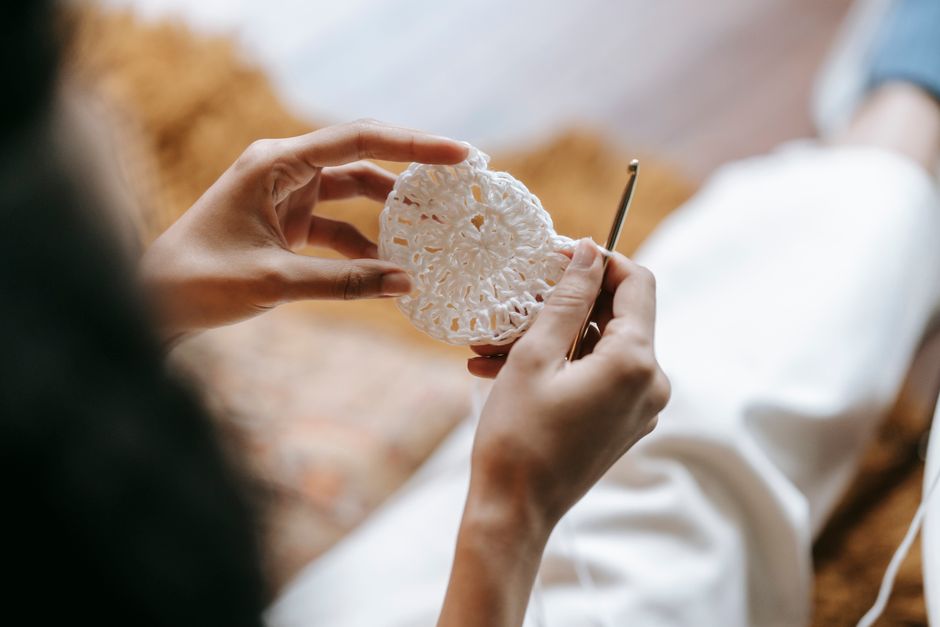
Keep your yarn consistent while you practice. Changing yarn type every project makes it harder to tell if your issue is skill or material.
How Do I Keep Symmetrical Parts the Same Size?
Make both parts at the same time in a "paired workflow." Crochet a few rounds of arm one, then immediately crochet the same rounds of arm two. This reduces mistakes because your stitch tension and memory stay consistent.
Also count rounds, not just stitches. Two arms can both have 24 stitches, but if one has an extra round, it'll look longer once stuffed.
Why Do My Decreases Look Bumpy on Amigurumi?
Bumps usually happen when you use a standard decrease that leaves a visible ridge. Try an invisible decrease (you work through the front loops only). That pulls the fabric inward more smoothly and helps the plush look clean on camera.
Stuffing can also exaggerate bumps. Use smaller pieces of fiberfill and add stuffing in layers.
Is It Better to Sell Finished Stuffed Toys or Crochet Patterns?
Finished toys can bring higher prices per item, but they don't scale well because your hands are the factory. Patterns often scale better because you can sell the same design many times, especially if it solves a clear problem like "complex dragon wings that hold shape."
A lot of makers do both: sell patterns as the main income, then offer a limited number of finished plush commissions at premium prices.
How Do I Make My Stuffed Toys Look More "Professional"?
Professional plush usually has three things: tight fabric, clean shaping, and neat finishing. That means smaller hook size, consistent stuffing, and careful sewing with pins before you commit. Add simple sculpting stitches around the face to create depth, even on a cute design.
If you want to go even further, design a signature detail, like a special eyelid shape, textured belly, or custom color palette that customers recognize.
Final Stitch: Build One "Hero" Plush and Let It Sell Your Brand
Complex crochet doesn't have to mean stressful crochet. If you treat every pattern like a shape blueprint, control your fabric, and follow a repeatable build system, you'll stop guessing and start finishing plush that look like they belong in a boutique.
Pick one "hero" stuffed toy design that shows your best skills. Give it perfect photos. Write a clear listing or pattern page. Then build a small matching set, like mini versions or accessories, so customers can buy more than one thing.
If you want me to help you choose the right advanced pattern style for your shop, start with buy custom crochet patterns for sale and grab a design that matches your current skill level. Then come back and use this guide as your build checklist.