
How to Create Unique Crochet Patterns for Stuffed Animals: Tips &Amp; Techniques
Have you ever stared at a cute plushie and thought, "Why do so many amigurumi look the same?" If you're searching for How to Create Unique Crochet Patterns, the fastest answer is this: start with a simple body shape, then change the silhouette, textures, and tiny details on purpose (not by accident). A 2025 trend report from Pinterest Predicts points to rising interest in hyper-personal, character-driven crafts, and crochet plushies fit that vibe perfectly.
This guide breaks down the creative and technical steps that make stuffed animals feel original, from sketching a "shape plan" to choosing the right yarn for crisp features. You'll also get a repeatable method you can use again and again, even when inspiration is low.
How to Create Unique Crochet Patterns by Designing a Strong "Shape Plan"
Original stuffed animals start with shape, not color. Color is fun, but shape is what makes someone recognize your plush across the room. A "shape plan" is a quick way to decide the big forms before you write a single stitch instruction. Think of it like building with soft blocks: head, body, limbs, ears, tail, and any special features.
A good shape plan begins with a twist. Instead of a basic sphere head, try an oval head with a flat muzzle, or a tall head with a narrower chin. Small changes like that make a plush feel like your own character, not a copy of a common template.
Here are shape levers I use constantly when I'm figuring out how to create unique crochet patterns for stuffed animals:
- Change proportions (big head, tiny body, long legs, short arms)
- Mix geometry (round body with a boxy snout, teardrop head with flat cheeks)
- Add negative space (gaps like wing cutouts, open mouth shapes, or antlers)
- Build "landmarks" (a hump, a belly patch ridge, a brow bump)
- Use asymmetry on purpose (one ear bent, one eyebrow ridge higher)
After you pick your shape levers, write one sentence that describes your plush in plain words. Example: "A sleepy moth with a round belly, tiny feet, and big fluffy antennae." That sentence becomes your north star when you start stitching.
If you want examples of designs that go beyond basics, check How to Crochet Unique Patterns: Advanced Stuffed Animals to Try for more inspiration.
Build Your Base Pattern: a Repeatable Method That Stays Flexible
The easiest way to stay creative is to stop reinventing the whole pattern every time. You want a base system you can bend. Most stuffed animals can be built from a small set of parts: a head, a body, and add-ons. Once your base is stable, you can spend your brain power on the fun stuff like faces, textures, and accessories.
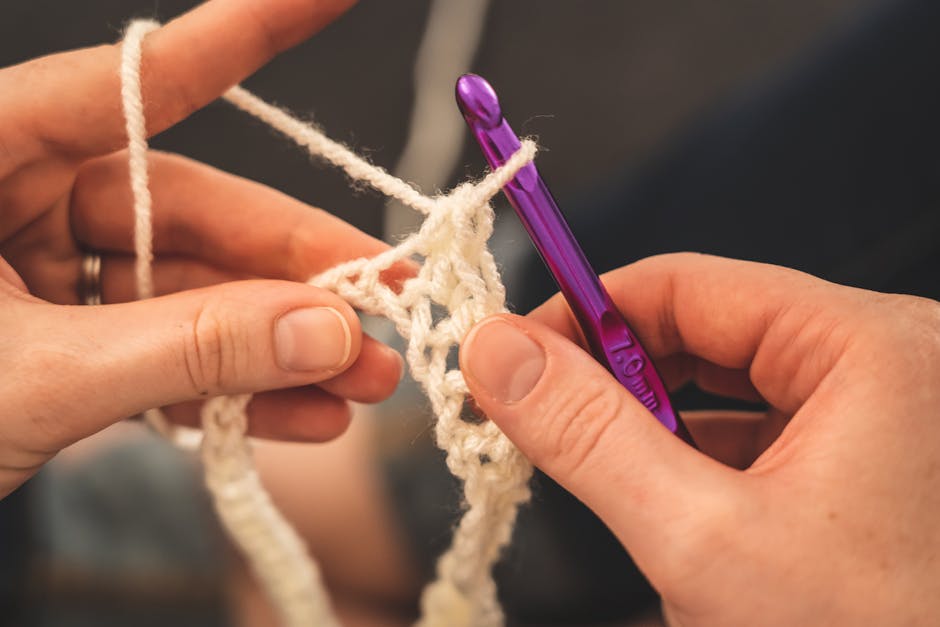
I like to prototype in worsted or DK yarn first because it's fast and forgiving. Later, I switch to plush yarn if the design calls for it, but plush yarn can hide shaping issues. Clean shaping shows up best in smooth yarn.
Use this step-by-step framework for how to create unique crochet patterns while keeping your process calm:
- Choose a starting body shape (sphere, egg, capsule, cone)
- Crochet the head first and test the "character vibe" (does it look shy, bold, sleepy?)
- Crochet the body and check balance (will it sit, stand, or flop?)
- Add limbs as simple tubes, then upgrade them (paws, hooves, claws)
- Add only one standout feature at first (horns, frill, fins, wings)
- Assemble and mark what feels generic (then change that one area)
- Write the pattern from your final notes, not from memory
Between steps, pause and "pose test" your plush. Prop it against a mug, set it on a shelf, or hold it at arm's length. If the silhouette reads as "generic bear," don't panic. Change only one thing, like longer arms or a stronger snout, and test again.
A small but powerful tip: track stitch counts for every round in a notebook or notes app. If you freehand without recording, you might land on a great shape and then never find it again.
Make Stuffed Animals Look One-Of-A-Kind with Texture, Color, and Surface Details
Once your shape is solid, the next level is surface design. This is where your plush becomes a "character" instead of just an animal. Texture and surface details are also great because they can be added without rewriting your whole base pattern.
For texture, you can create bold effects using simple stitches. Bobbles and popcorn stitches make bumps like toad skin or dinosaur spines. Back loop only (BLO) rounds create ridges that look like segmented bodies or cozy sweater bands. Surface slip stitches add outlines that read well even from far away.
Here are surface-detail options that help when you're learning how to create unique crochet patterns for stuffed animals:
- Raised ridges (BLO stripes, front loop only stripes, or surface chains)
- Spots and patches (crocheted appliques, duplicate stitch, or felt patches)
- Fur effects (loop stitch, brushed yarn, or faux-fur yarn accents)
- "Outfits" built in (overalls, capes, hoods, collars)
- Texture blocking (smooth belly, bumpy back, ribbed tail)
Color is where people often go random, but intentional color planning looks more professional. Limit your main palette to 2 to 4 colors, then add one tiny "pop" color for a signature detail. That pop could be blush cheeks, a tiny heart patch, or contrasting paw pads.
For safety and trust, especially if a plush might be used by kids, pay attention to eye choices. The U.S. Consumer Product Safety Commission gives guidance on toy safety and small parts, which is worth reading if you sell finished items: CPSC Small Parts Regulations. Even if you're only selling patterns, many customers will ask what's safest.
Level up Shaping: Clean Faces, Neat Limbs, and Better Assembly
"Unique" isn't only about wild ideas. A fresh design still needs clean construction, or it won't look right in photos. Shaping and assembly are the two places where handmade plushies can look messy if you rush.
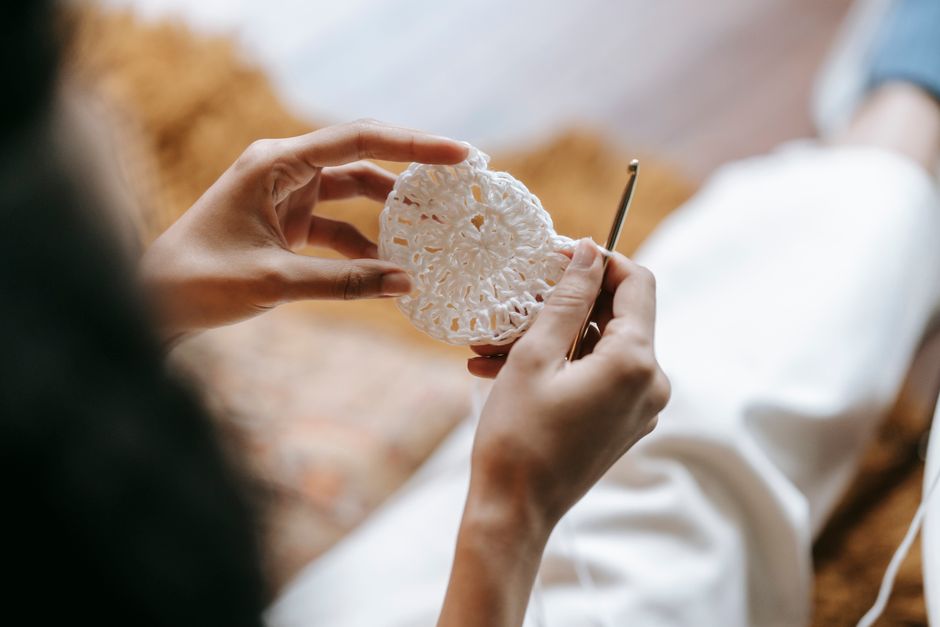
Faces matter most. The same head can look totally different depending on eye placement, muzzle height, and how you sculpt the cheeks. A simple trick is "triangle mapping." Imagine a triangle between the two eyes and the nose. Move the points slightly and you change the emotion fast. Eyes closer together often read cute and young. Eyes wider apart can read calm or dreamy.
These techniques help you create stuffed animals that look designed, not improvised:
- Use invisible decreases for smoother curves (they reduce holes)
- Stuff in layers and shape as you go, don't wait until the end
- Add a small felt or crocheted backing behind safety eyes to reduce shifting
- Sculpt with yarn (needle sculpting) to pull in cheeks and define a muzzle
- Pin every part before sewing, then check symmetry from the front and side
- Seam with a matching yarn strand and small stitches for clean joins
After sewing, do a final "photo test." Take one quick picture in natural light. Cameras are honest. If an ear sits too far back, you'll see it right away.
If you're working toward patterns that people will pay for, you'll also want repeatable sizing. That means choosing a hook size and yarn weight that gives a firm fabric. The Craft Yarn Council has solid standards on yarn weights and recommended hooks: Craft Yarn Council Yarn Standards. A tighter fabric helps stuffing stay inside and makes details sharper.
Turn Your Idea Into a Sellable Pattern Without Losing the "Magic"
A unique plush design becomes truly valuable when you can explain it clearly. Pattern writing is its own skill, and it's where many designers get stuck. The trick is to write like you're guiding a friend who can't see what you see.
Start by writing a materials list that matches the finished look. If your plush relies on crisp stitch definition, say so. If it needs a fuzzy yarn for the vibe, explain how that changes counting stitches. Also note the finished size using your exact yarn and hook, because size changes are normal.
Use this simple pattern-writing checklist:
- Give stitch abbreviations and explain any uncommon stitches
- List finished measurements and gauge (how tight the stitches are)
- Add round-by-round counts and total stitches at the end of each round
- Include assembly order (what to sew first, what to sew last)
- Add photo notes or "look for this shape" clues after major sections
Your uniqueness also shows in naming and story. People remember characters. Instead of "Crochet Bunny Pattern," name it "Mochi the Sleepy Moon Bunny." That's not fluff, it helps customers picture what they're making.
If your goal is to make designs that sell, this article connects the creative side to what buyers actually click: How to Crochet Unique Patterns for Sale: Craft Items Buyers Can't Ignore.
FAQ
What's the Easiest Way to Start If I'm New to How to Create Unique Crochet Patterns?
Start with a base you already understand, like a simple sphere head and egg body. Then change only one design "lever," like longer limbs or a flat muzzle. Crochet a quick draft in cheap yarn so you don't feel precious about it. Take a photo, circle what looks generic, and adjust that one area. This small-change method teaches you originality without overwhelm.

How Do I Make Sure My Stuffed Animal Doesn't Look Like Everyone Else's?
Pick a signature combo of three things: a silhouette twist, a texture choice, and one standout detail. For example, a long cone snout, ribbed belly stripes, and big leaf ears. Lots of plushies share one of those traits, but the trio together becomes yours. Keep a design notebook so you don't repeat the same choices every time.
How Do I Test a Pattern so Other People Can Follow It?
Do at least one "clean remake" from your written notes, not from memory. If you can't recreate your plush from the text, your customer won't be able to either. If possible, ask one crochet friend to test it using different yarn. Their questions show where your instructions need clearer stitch counts, assembly tips, or photos.
What Yarn Is Best for Detailed Crochet Plushies?
For sharp faces and clean shaping, cotton or smooth acrylic in DK or worsted weight is a great starting point. Plush yarn is adorable, but it hides stitches and can make shaping harder to control. If you love the fuzzy look, consider using smooth yarn for the face and plush yarn for the body, or add brushed accents only on ears and tail.
How Do I Price or Position My Unique Stuffed Animal Patterns?
Position your pattern around the result and the vibe, not just the animal type. Clear photos, a strong character name, and a "what you'll learn" section help. If the pattern includes special techniques like needle sculpting or complex wings, explain that value. For more ideas on what customers search for, see Buy Unique Crochet Patterns Online: Master Unique Stuffed Animals You Can Sell.
Your Next Plush Can Be Original on Purpose
If you remember only one thing about How to Create Unique Crochet Patterns, make it this: uniqueness is a series of small choices you repeat on purpose. Build a strong shape plan, keep a flexible base, then layer in texture, face design, and one signature detail that feels like your style.
If you want a next step, pick one animal you've made before and redesign it with a new silhouette and one new texture. Crochet a fast prototype this week, take one photo, and write down what you'd change. That simple habit is how original pattern designers are made.