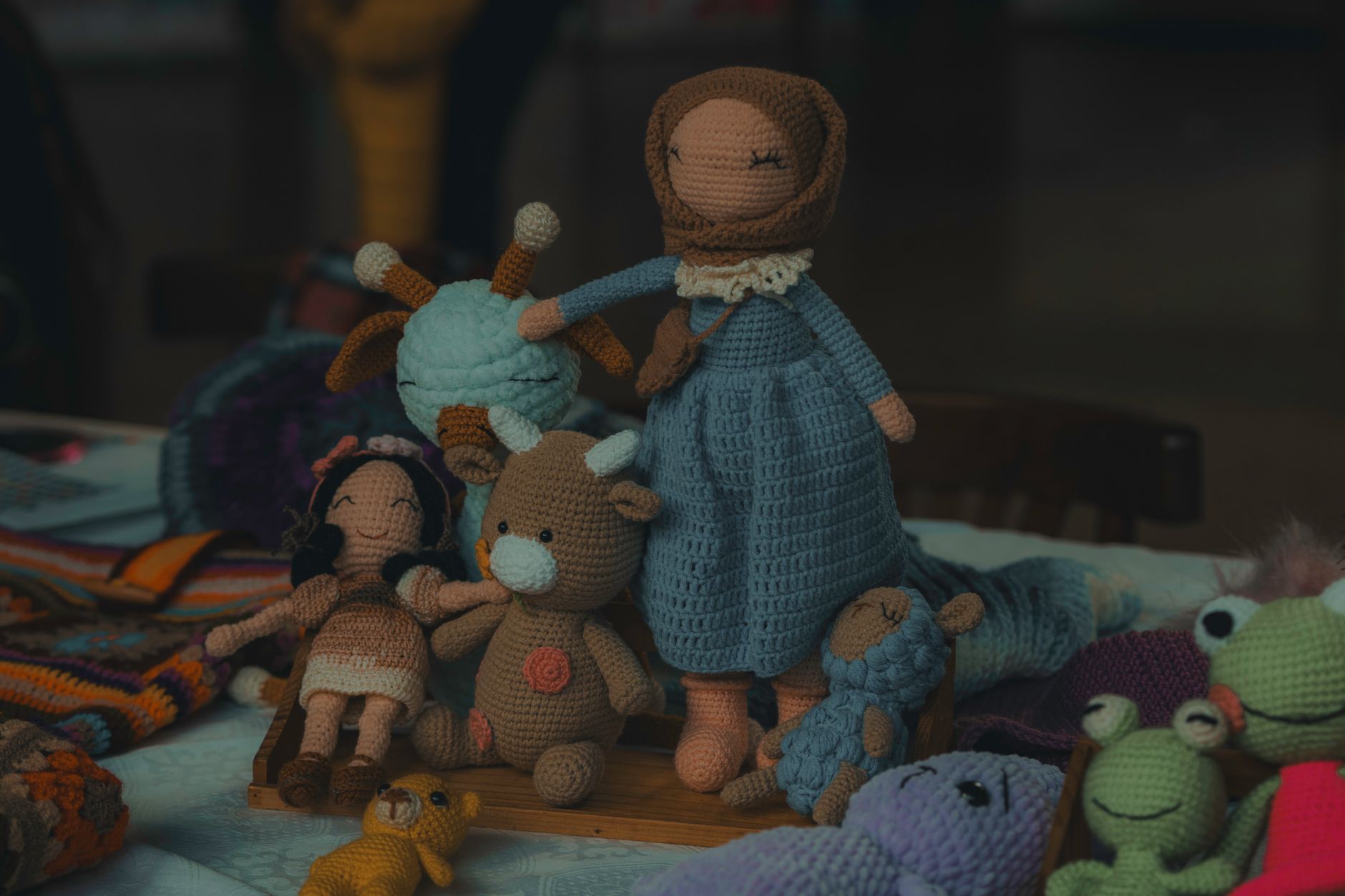
Buy Unique Crochet Animal Patterns: Master Standout Designs and Sell Them
A lot of crochet animal patterns look cute, then they disappear in a sea of the same teddy bears and bunnies.
If you want to buy unique crochet animal patterns and actually turn them into designs people pay for, you need two skills at once: picking patterns with real "room to own," and finishing them like a product, not just a fun make.
This guide is built from how we think about pattern design and yarn behavior every day. We're not going to tell you to "be creative." We're going to show you what to change, what not to touch, and how to sell the result without getting in trouble with licensing.
Buy Unique Crochet Animal Patterns with a Buyer's Checklist
Uniqueness isn't about adding more pieces. It's about choosing a base pattern with the right kind of structure, so small changes create a new look without breaking the shape.
Here's a simple way to compare patterns before you buy.
Choose a "Stable Base" Pattern If You Want Easy Customization
A stable base is a pattern where the shape is driven by basic increases and decreases (and not by tricky sculpting). These are easier to customize and easier to test.
Pick this type if you want to sell sooner and iterate fast.
- Simple head and body spheres or ovals
- Clear stitch counts per round (so you can edit safely)
- Minimal sewn-on parts (fewer failure points)
- A consistent stitch like single crochet (tight fabric for plushies)
Choose a "Signature Technique" Pattern If You Want a Premium Look
Some patterns look unique because of technique, not because the animal is rare.
Pick this type if you already crochet confidently and you want your shop to look high-end.
- Colorwork (clean stripes, spots, gradients)
- Surface crochet details (like raised lines for paws or scales)
- Unusual textures (bobble stitch, loop stitch "fur")
- Sculpted shaping (snouts, eyelids, jointed limbs)
If you're still building skill, it helps to practice with something designed for technique growth. Our roundup on crochet patterns that build advanced techniques is a good next step.
Red Flags That Make a Pattern Hard to Sell From
Some patterns are adorable but painful to reproduce, photograph, and support.
- Vague instructions like "continue until it looks right" (hard to standardize)
- No guidance on yarn weight or hook size (hard to predict size)
- Too many tiny pieces (customers hate sewing, so do you)
- Unclear rights (no mention of selling finished items or selling pattern edits)
One important reality: buying a pattern usually does not give you the right to resell that pattern, or to rewrite it and sell your version. You can often sell finished items, but the exact terms depend on the designer. Read the listing and keep a screenshot for your records.
Make It "Yours" Without Breaking the Pattern (a Decision Framework)
A pattern becomes your product when customers can recognize your style in it. The mistake is changing the wrong thing and ending up with a plush that flops, twists, or looks lumpy.

Use this framework.
Change These First (High Impact, Low Risk)
These edits usually don't affect structure, so they're safer.
- Face details: eye size, eye placement, eyelids, blush, embroidered eyebrows
- Color placement: belly patch, muzzle contrast, ear tips, gradient yarn for "shading"
- Texture zones: smooth body with fluffy cheeks, or ribbed belly panel
- Accessories: tiny backpack, scarf, crown, flower, removable cape
If you've ever made a plush that looks "off" even though you followed the steps, it's often a reading issue, not a skill issue. This helps: how to read custom crochet patterns so the plush matches the photo.
Change These Only If You're Ready to Re-Test (Medium Risk)
These edits affect fit. They're worth it, but plan to crochet a full prototype.
- Ear shape: longer ears change head balance and "species vibe"
- Snout length: more rounds can push eyes too far apart visually
- Leg length: longer legs can cause tipping unless the body widens
- Tail weight: a heavy tail can drag the plush backward
Avoid These Changes If You Want Fast, Repeatable Results (High Risk)
These can destroy the geometry of the pattern.
- Editing increase/decrease counts without mapping the math
- Mixing yarn weights without resizing the whole pattern
- Switching stitch types (single to half-double) without recalculating height
A practical rule we use: change one structural variable at a time. If you change yarn weight and snout shaping and leg length all in one go, you won't know what caused the problem.
Worked Example: Turning One Base Pattern Into Three Sellable Animals
Let's say you buy a basic "round body + round head" plush pattern with simple limbs and a small snout. You want three listings that look like different designs, but you don't want three months of development.

Here's how we'd build a small product line while keeping the core pattern stable.
Version 1: "Sleepy Forest Bear" (Texture + Face Style)
- Yarn: chenille for body (plush look), smooth yarn for muzzle (clean stitches)
- Eyes: smaller safety eyes, placed 1 round lower than the sample (sleepy vibe)
- Add-ons: embroidered eyelids and a tiny nose highlight
- Accessory: removable scarf in a solid color
Why it sells: it photographs as soft and calm. Parents and gift buyers love that.
Version 2: "Panda with Bold Patches" (Color Mapping)
- Yarn: smooth yarn only (color changes stay crisp)
- Color edits: big oval eye patches and a belly patch
- Tiny change: black ear tips instead of full black ears
Why it sells: it reads as "panda" instantly, even from a thumbnail.
Version 3: "Baby Tapir" (Silhouette Edit, One Safe Structural Change)
- Keep the same body and limbs
- Edit only the snout: add a few rounds to lengthen, then flatten slightly with tighter decreases
- Color: dark body, light muzzle stripe
Why it sells: it's an unusual animal, but you didn't rebuild the whole pattern.
The non-obvious trade-off: the more unusual the animal, the more your photos and naming matter. If shoppers don't recognize it, they scroll. You can fix that with clear listing titles and a second photo showing the plush in profile.
Selling Designs: What Buyers Actually Pay For
People don't just pay for "a pattern." They pay for fewer mistakes, predictable results, and a finished look they can gift.

So if you plan to sell patterns (or even finished plushies), focus on what reduces uncertainty.
Pattern Features That Increase Trust
If you're writing your own patterns from your unique versions, include:
- A materials list with yarn weight, hook size, and notions (stuffing, eyes)
- Stitch counts for every round (so people can check their work)
- Clear photos of tricky steps (muzzle shaping, ear placement)
- A sizing note (what size your sample turns out with your yarn)
If you're not designing from scratch yet, you can still sell finished items based on many designers' terms. Just make sure the original pattern license allows it.
Pricing Without Guessing (a Simple Comparison)
Pricing depends on your market, but the logic is consistent.
For finished plushies, price higher if:
- The yarn is premium or bulky (material cost jumps fast)
- The plush has lots of sewn parts (labor time)
- You offer personalization (name tag, custom colors)
For patterns, price higher if:
- The design has a signature technique that's hard to copy
- Your instructions are extremely beginner-proof
- You include multiple variations (ear options, face options)
One caveat: if you want to sell designs reliably, pick yarn that stays available. A plush that goes viral is painful if the exact yarn gets discontinued.
If you're stuck on yarn choices for animals, we laid out the pros and cons in best yarn for stuffed animal crochet patterns that sell well.
Photos and Listings: the "Thumbnail Test"
A unique design can still fail if the main photo reads messy.
We aim for:
- Plain background (so the stitches show)
- One clear front view as the first image
- A second image that proves size (hand, ruler, or standard object)
- Close-up of the face (eyes sell plushies)
Your listing title should name the animal plus the vibe. "Crochet Tapir Pattern" is fine. "Baby Tapir Plush Pattern, Stripe Muzzle, Beginner-Friendly" is better.
Common Mistakes That Make Unique Patterns Feel Generic
A lot of sellers do the hard part (crochet a great plush), then they accidentally erase what made it special.
- Using the same face on every animal. Make a "face library" of 3 eye styles and 3 mouth styles.
- Copying trending colors exactly. Use the trend as a starting point, then shift one thing (ear tips, belly, gradient).
- Over-accessorizing. One strong accessory beats three tiny ones.
- Skipping a test make. If you sell patterns, test the exact wording, not just the plush.
If your goal is to create and sell your own animal designs, our deeper guide on how to crochet stuffed animals patterns and sell unique plushies connects the full workflow.
Your Next Best Step
If you want designs that stand out, start by choosing one stable base pattern you love, then build three variations using the low-risk changes first. Keep notes as you go, even messy ones.
That's how "I can crochet anything" turns into a real catalog, and a shop that doesn't blend in.
If you're ready to buy unique crochet animal patterns and want styles that are built for customization, check out our pattern collection on https://artncraftartncraft.art and pick one base design to remix into your signature line.