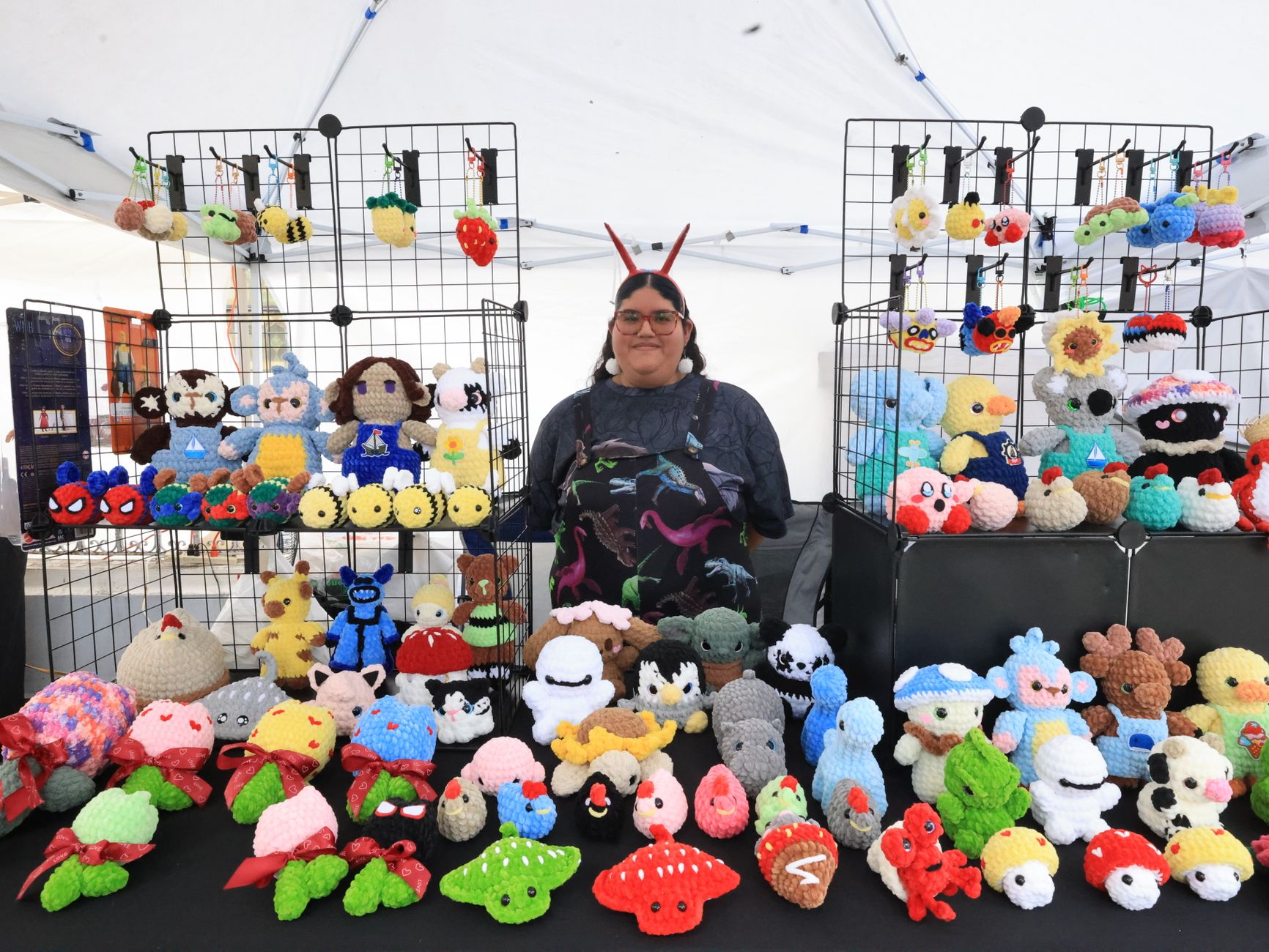
Buy Detailed Crochet Patterns for Stuffed Animals: Crafting Complex Designs You Can Sell Today
Your plush looks cute from the front, then you turn it sideways and the head shape collapses.
That's the moment most crocheters hit the same wall, your skills are "good," but your designs don't look consistent enough to sell. If you're trying to buy detailed crochet patterns for stuffed animals so your finished pieces look clean, shaped, and repeatable, you don't just need "a pattern." You need the kind of pattern that makes hard parts obvious, like shaping, joins, and assembly order.
We sell advanced crochet patterns, and we crochet the pieces ourselves. Here's how we think about "complex" designs you can sell today, without turning every project into a six-week monster.
Buy Detailed Crochet Patterns for Stuffed Animals That Actually Sell
Not every complicated amigurumi (crochet stuffed animal) sells better. Some complexity just adds time without adding value a buyer can see.
When you buy detailed crochet patterns for stuffed animals, the "sellable" kind of detail usually shows up in three places: the silhouette (the outline), the face, and the finishing.
Here's a quick decision framework we use when designing patterns meant for selling finished items.
- Choose shape complexity if the outline is the product. Think dragons with ridged backs, mushroom caps with ruffles, or a chubby frog with wide cheeks.
- Choose surface complexity if buyers will touch it. Think bobbles, ridges, faux fur yarn details, or textured belly panels.
- Choose accessory complexity if buyers want customization. Think removable hats, tiny bags, scarves, bows, or swap-in expressions.
- Skip hidden complexity that only you notice, like fancy inner structure that doesn't change the look, or tiny colorwork on the back.
A "detailed" pattern should also tell you what to do when things don't match the photo. Real crocheting is not perfectly identical from person to person.
Look for patterns that include things like stitch counts at key rounds, placement notes for eyes and limbs, and assembly order. Those are the pieces that stop your plush from looking lopsided.
If your goal is to make gifts and also learn advanced construction, our case-study style guide can help you practice those skills on purpose: How to crochet stuffed animals for gifts with complex design case studies.
A Worked Example: Turning One Concept Into Three "Premium" Plush Options
Let's take a simple base idea: a teddy bear.
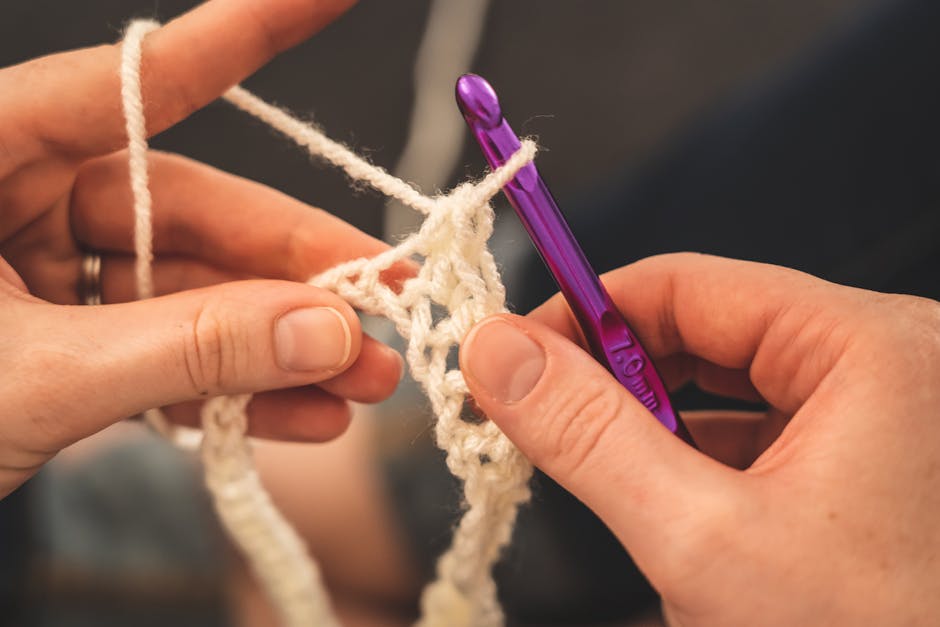
A basic bear is a sphere head, oval body, four tubes, two ears. That's fine, but it looks like thousands of other bears.
Here's how we would "complexify" it in three different ways, depending on what you want your buyer to notice.
Option 1: Sculpted Face Bear (Complexity in Shaping)
Goal: a bear that looks expressive, even in photos.
Pattern features we'd include:
- Muzzle shaping using increases placed off-center (not a perfect circle), then a short row (partial round) to push the muzzle forward.
- Indented eyes (a technique where you stitch through the head and pull tight) so the eyes sit in a slight socket.
- Cheek placement marks so you don't guess where the muzzle and nose land.
Trade-off: it takes longer to assemble. You'll want clear instructions and photos for the face.
Option 2: Textured "Honey Bear" (Complexity in Surface)
Goal: something buyers want to pick up.
Pattern features we'd include:
- A belly panel made with a textured stitch (like a seed-like bump pattern) that still stretches enough to stuff neatly.
- A back made with clean ridges so it reads as "special" from across a room.
Trade-off: textured stitches eat yarn and time. You price the finished item higher, or you keep the plush smaller.
Option 3: Dress-Up Bear (Complexity in Accessories)
Goal: one base plush, many listings.
Pattern features we'd include:
- A simple bear base that works with multiple outfits.
- A hat, scarf, and tiny tote bag that can be swapped.
- Notes on how to keep accessories safe (no long ties if the item is for kids).
Trade-off: accessories increase the number of small parts you can lose while making. You'll want a consistent storage and assembly routine.
The non-obvious point: "premium" often comes from one strong complex feature, not five medium ones.
The Pattern Details That Make Complex Crochet Repeatable (and Sellable)
Selling a finished plush means you need consistency. Buyers forgive handmade quirks, but they don't forgive "this looks different than the photo."

A complex design becomes repeatable when the pattern is written like a build plan, not like a casual note.
Here are the details we consider non-negotiable in advanced patterns.
Clear Stitch Count Checkpoints
A strong pattern calls out stitch counts at rounds where shaping changes.
Example: "Round 12: (sc 3, inc) x 6 (30)." Then later, "Round 18 should line up with the widest point of the head."
That second sentence is gold. It tells you what the round is doing, not just what to stitch.
Assembly Order That Prevents Crooked Limbs
Many plushes look "off" because limbs are sewn after stuffing, with no landmarks.
A detailed pattern often includes:
- Pin placement notes (like "front legs sit between rounds 20 and 24").
- Symmetry tips ("check both legs point slightly forward").
- A reminder to lightly stuff limbs near the join so they don't stick out like sticks.
Yarn Choices That Match the Design
Some designs need stitch definition (you want crisp stitches). Others need fuzz (you want soft blur).
In our experience, these pairings reduce frustration:
- High-detail faces: smooth yarn with good stitch definition.
- Big, simple shapes: chenille or fuzzy yarn can work, since the shape carries it.
- Tiny parts (ears, fingers, horns): a yarn that doesn't split easily.
If you want to go deeper on choosing patterns by skill level and "wow factor," we have a focused guide here: Buy crochet patterns for stuffed animals and build an amigurumi collection.
What to Make and Sell Right Now: Complex Designs Buyers Notice Fast
Some designs show complexity instantly in a product photo. That matters because most people shop with their eyes first.
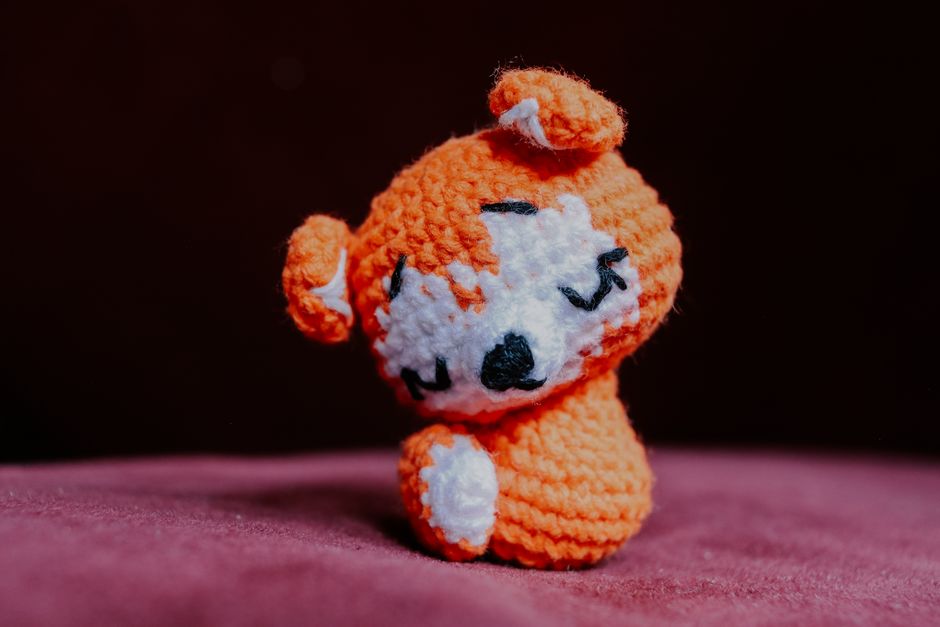
These are categories we see perform well for makers because the complexity is visible, not hidden.
Animals with One "Signature" Feature
Pick one feature that reads clearly at thumbnail size.
- Axolotl with frilly gills
- Dino with a ridge spine
- Octopus with curled tentacles
- Bunny with oversized floppy ears
The key is to design the signature feature so it keeps its shape. That often means tighter stitches, firmer stuffing in that area, or a stitch pattern that naturally holds structure.
Mini Sets (Small, Detailed, Collectible)
A single complex plush is a big commitment. A set of minis can feel premium without being huge.
Examples:
- Three "season" frogs with different outfits
- A set of woodland babies (fox, bear, deer) with matching scarves
- A food-themed set (strawberry, toast, milk carton) with faces
Mini sets also let you reuse a base body and change ears, tails, and accessories. That's efficient and still feels special.
Customizable Expressions
Buyers love "pick your vibe" listings.
You can build that into your make process with:
- Safety eyes placed higher for "cute," lower for "sleepy"
- Two mouth options (smile vs neutral)
- Optional blush patches or embroidered eyebrows
Complexity here is mostly design thinking, not extra crochet time.
Common Mistakes That Make Complex Plush Look Messy
Most "messy" results come from a few repeat problems. Fixing them makes your work look more expensive.
- Overstuffing round shapes so stitches stretch and gaps show.
- Understuffing neck areas so the head flops.
- Skipping alignment checks before sewing, then ending up with twisted arms.
- Using the wrong yarn for the pattern's detail level, like fuzzy yarn for a face that needs crisp shaping.
A practical habit: before you sew anything, pin every part in place and take a photo. The camera catches crooked details your eyes miss.
Closing: Make Complexity Work for You, Not Against You
Complex crochet sells best when the complexity shows up where buyers notice it. Choose one "hero" detail, keep the rest clean, and use patterns that guide you through shaping and assembly.
If you're ready to build pieces that look polished every time, start by choosing patterns with clear checkpoints, assembly notes, and yarn guidance. That's the difference between "I made a plush" and "I can sell this plush."