
Buy Crochet Patterns for Stuffed Animals: Create and Collect Adorable Amigurumi Friends
A handmade plush can look simple, but the pattern behind it makes all the difference. If you want results that look clean, cute, and sellable, it's smart to Buy Crochet Patterns for Stuffed Animals that are tested, clearly written, and packed with photos. That way, you're not guessing where to place the ears or how to shape the snout.
This guide helps you do two things right away: pick patterns worth your money, and tweak them so your stuffed animals feel one of a kind. You'll see what to look for before you click "buy," how to customize safely, and how to avoid the most common amigurumi (crocheted stuffed toy) problems.
Why Buying Patterns Beats Guessing (and How It Saves Yarn)
Buying a pattern isn't "cheating," it's like using a recipe written by someone who already burned the first batch. A good designer has tested stitch counts, shaping, and assembly so you don't end up with a head that wobbles or limbs that don't match. This matters even more for stuffed animals because small changes in rounds can warp the whole shape.
If you've ever freehanded a teddy and realized the legs were different lengths, you already know the pain. A strong pattern reduces wasted yarn and time, since you follow a proven path. Many premium patterns also include tips like where to place safety eyes, how tight your tension should be, and how much stuffing to add.
Here's what a well-made pattern often includes, and why it matters:
- A stitch glossary and clear abbreviations (so you don't misread the steps)
- Round-by-round counts (helps you catch mistakes early)
- Photo checkpoints for tricky parts like muzzles and paws
- Assembly placement guides (so ears sit evenly)
- Notes on yarn weight and hook size (so your plush isn't too floppy)
If you like learning techniques while you stitch, you'll also enjoy patterns that teach shaping methods like increases and decreases that "lean" the right way. For a deeper skill stretch, link your plush-making practice to how to crochet unique designs for gifts and bring those custom ideas back into your stuffed animals.
Buy Crochet Patterns for Stuffed Animals: What to Check Before You Click
Not all patterns are written with beginners in mind, and not all "beginner" patterns are actually easy. Before you Buy Crochet Patterns for Stuffed Animals, scan the listing like you're inspecting a toy before gifting it. You want clear expectations, honest photos, and details about yarn and size.

Start with the finished photos. Look for clean stitches, even stuffing, and symmetry. If the toy looks lumpy in the designer's own images, your result probably won't improve. Next, look for pattern support. Many designers answer questions or include an email, and that's a big deal when you're stuck on a shaping round.
Use this quick checklist to avoid disappointing purchases:
- Confirm the skill level and what it means (single crochet only, or color changes and shaping)
- Check the materials list, including yarn weight, hook size, and eye type
- Look for stitch counts at the end of each round (helps with accuracy)
- Make sure it states whether it's US terms or UK terms (they're different)
- Read reviews for notes like "easy to follow" or "photos were helpful"
After you buy, store the PDF with the yarn name you used and your hook size. Future-you will thank you when you want to make the same bunny again in a different color.
Pattern marketplaces and independent shops have also tightened rules in recent years to protect buyers. For example, digital purchase guidelines and clear refund rules are common on major platforms. Always read the product description carefully.
Create Unique Stuffed Animals Without Breaking the Pattern
The fun part of buying a pattern is making it yours. Customizing doesn't have to mean rewriting the whole design. Small changes can turn a "standard" bear into a cupcake bear, a sleepy bear, or a forest bear with little embroidered moss details.
Start by changing one element at a time. If you adjust the ears and the muzzle and the legs all at once, you won't know what caused the shape to shift. The safest customizations are surface details and accessory swaps because they don't change the core stitch math.
Here are easy ways to make a purchased pattern feel original:
- Swap colors with intention (cream belly, ombre ears, or speckled "fawn" spots)
- Add accessories like scarves, tiny backpacks, bows, or hats
- Change the face expression with embroidery (sleepy eyes, blush cheeks, tiny teeth)
- Adjust limb length by adding a round or two (keep increases the same)
- Add texture using bobble stitches for paws or a fluffy tail tip
If you want bigger changes, keep your stitch counts consistent. A pattern's shape depends on a steady rhythm of increases and decreases. If you add rounds, do it in the "straight" sections where the pattern repeats without shaping.
Yarn choice also changes the look more than people expect. A smooth cotton shows crisp stitches and tiny details. Plush yarn hides small mistakes but can blur facial features. The Craft Yarn Council has a clear breakdown of yarn weights and how they affect projects, which helps you match the pattern's intent to your yarn stash: Craft Yarn Council Yarn Standards.
If you're experimenting with texture and fiber, pair this with best yarn types for crocheting so your stuffed animals look polished, not accidental.
Beginner-To-Advanced Progression: Build Skills with Each Plush
Stuffed animals are sneaky teachers. Every plush you make trains your hands and your eyes. The key is choosing patterns that step you up in difficulty without feeling like a cliff.

Beginner patterns usually have simple shapes like spheres and tubes. You'll learn tight tension, invisible decreases (a cleaner way to decrease so holes don't show), and basic assembly. Intermediate patterns add shaping details like snouts, eyelids, and tail curves. Advanced patterns often include colorwork (switching colors), jointed limbs, wire shaping, or detailed clothing.
Here's a smart progression path that keeps your confidence high:
- Start with a simple no-sew or low-sew animal (fewer parts, faster wins)
- Move to a classic teddy or bunny with separate arms and legs (assembly practice)
- Try a character animal with a muzzle and embroidered details (face skills)
- Add clothing or accessories with button or strap details (fit and proportion)
- Attempt a complex creature with spikes, wings, or multiple color changes (precision)
Between each stage, repeat one pattern twice. The second one will look cleaner, and it proves you're improving. Also, keep a small notebook of what you changed, like "used 3.0 mm hook instead of 3.5 mm" or "added one round to the neck." Those notes are gold.
If you're curious about how designers test patterns and keep them consistent, many creators follow structured pattern standards and proofreading steps. That's why paid patterns often read better than random free notes online.
Choosing Materials That Make Your Plush Safer and Cutier
Materials aren't just about style, they're about the final feel and safety. If your stuffed animal is for a baby or toddler, skip hard safety eyes and use embroidered eyes instead. The U.S. Consumer Product Safety Commission shares guidance on toy safety and small parts, which is worth reading if you gift or sell plushies: CPSC Small Parts Regulations.
Stuffing matters too. Overstuffing can stretch stitches and show holes. Understuffing makes the plush sag. Aim for "firm but squishy," and add stuffing in small pinches, not huge chunks.
This materials checklist keeps your amigurumi consistent:
- Yarn: cotton for stitch definition, acrylic for budget-friendly softness, plush yarn for cuddly texture
- Hook: often 0.5 to 1.5 mm smaller than yarn label suggests (tighter fabric)
- Stuffing: polyester fiberfill (common and washable)
- Eyes: embroidered for kids, safety eyes for display or older recipients
- Needle: long tapestry needle for clean sewing
If you sell finished plushies or patterns, keep your notes on exact brands and colors. Buyers love when you can say, "This fox was made with worsted cotton and a 3.25 mm hook." It signals care.
For a 2026 freshness note, crafting marketplaces have continued to grow as people look for comforting hobbies and handmade gifts, and more creators are selling digital patterns alongside finished items. That trend makes it even more useful to develop your own recognizable plush style.
Where to Buy Patterns and How to Spot Designer Quality
You can Buy Crochet Patterns for Stuffed Animals from designer shops, craft marketplaces, or direct websites like mine. The best place depends on what you want: instant downloads, bundled collections, or direct support.
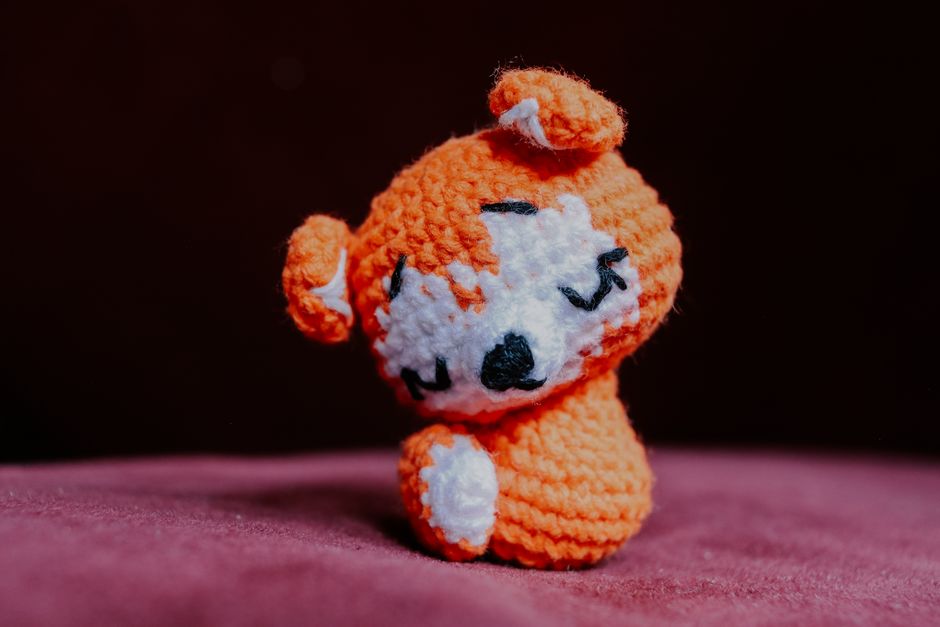
If you want premium instructions, look for patterns that mention testing, include multiple sizes, or show progress photos. Designer quality often shows up in the "boring" details, like clear gauge (how many stitches per inch) and strong formatting.
Here are common places people buy patterns, with pros:
- Independent websites: strong brand style, direct updates, and often better customer support
- Marketplaces: lots of choices, easy search filters, quick reviews
- Pattern bundles: good value, consistent style across a whole set
Before buying, check if the pattern allows selling finished items. Some designers allow it with credit, others don't. Respect those rules, because designers put real hours into shaping, writing, and testing.
If you want to compare how detailed paid patterns can be, see buy detailed crochet patterns for sale. It'll help you recognize what "great instructions" look like, even if you're new.
FAQ Buying and Using Crochet Patterns for Stuffed Animals
Are Paid Patterns Really Better Than Free Ones?
Paid patterns are often better edited and more consistent, especially for stuffed animals where shaping matters. Many are tested by other crocheters, so errors get caught before release. Free patterns can be wonderful too, but the quality varies more, and photos or stitch counts may be missing.What Skill Level Do I Need to Make Amigurumi Stuffed Animals?
Most people can start with beginner amigurumi after learning basic stitches like single crochet, increase, and decrease. The hardest part is keeping tension tight and counting rounds. If you can crochet a simple circle and count stitches, you can make a basic plush.How Do I Make a Bought Pattern Look Like My Own?
Change one or two features that don't alter the core stitch counts. Good options are color choices, embroidered facial details, and accessories like scarves or hats. Keep notes on what you changed so you can repeat it later.What Yarn Works Best for Stuffed Animals?
Cotton gives crisp stitches and clean faces, while acrylic is soft and budget-friendly. Plush yarn makes very cuddly toys, but it hides stitches and can be harder for beginners. Match the yarn to the pattern's recommended weight first, then experiment once you trust your tension.Can I Sell Finished Toys Made From a Pattern I Bought?
Sometimes yes, sometimes no, it depends on the designer's rules. Read the pattern listing or the PDF terms carefully. If allowed, many designers ask for credit like "Made from pattern by..." which is a fair way to support the creator.Your Next Plush Starts with the Right Pattern
If your goal is a stuffed animal that looks neat, feels sturdy, and makes people say "You made that?", choosing a proven design is the fastest path. Buy Crochet Patterns for Stuffed Animals that include clear stitch counts, helpful photos, and solid assembly guides, then add your personal touch with color, expression, and accessories.
If you're ready to build a whole lineup of cute characters, grab a pattern that matches your current skill, make it once to learn it, then make it again to perfect it. That's how "one cute bunny" turns into your signature style, and it's how crocheters go from hobby stitches to showpiece plushies.