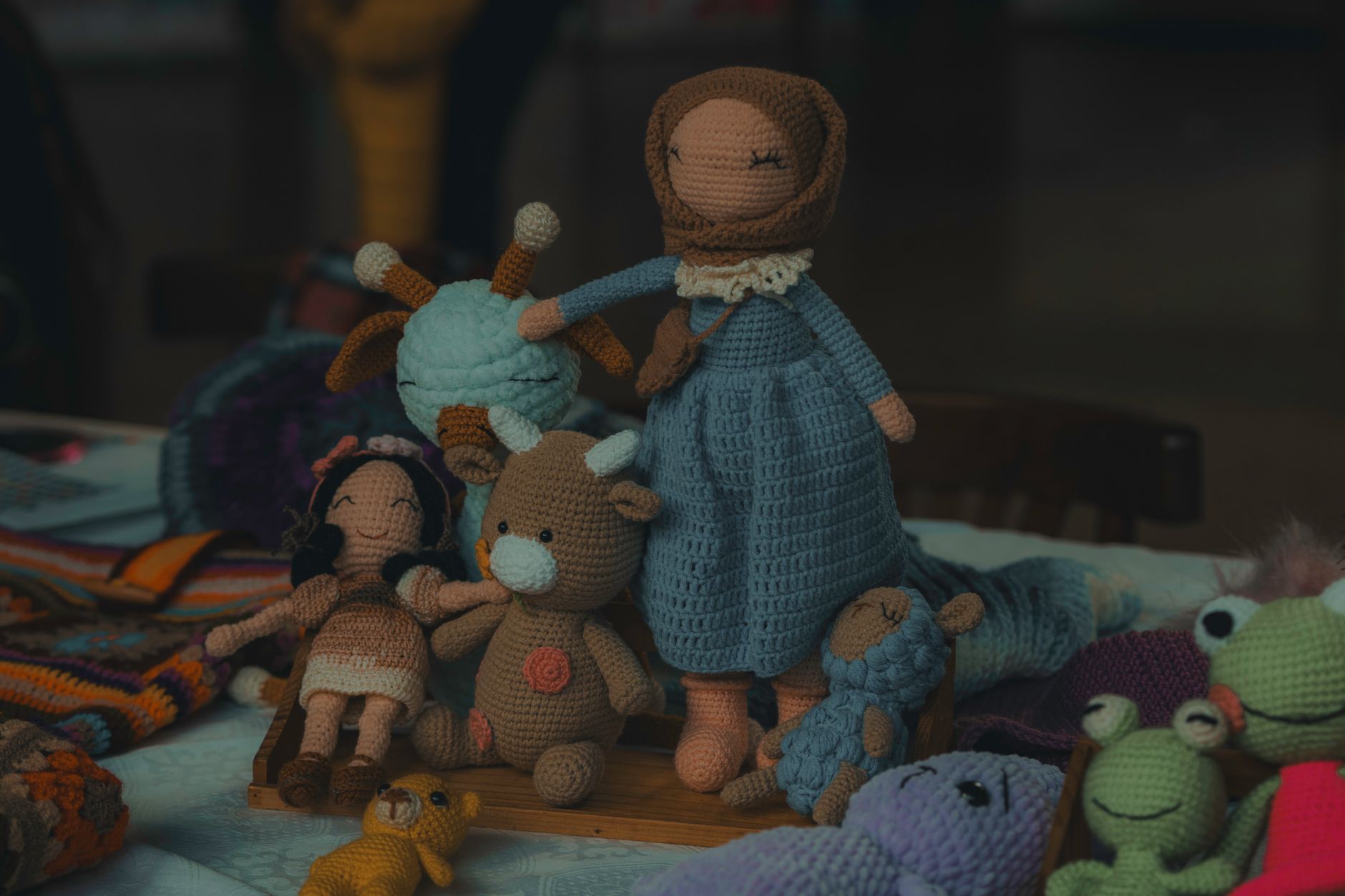
Buy Detailed Crochet Patterns for Animals Online, Then Make Them Truly Unique to Sell
Most animal crochet "best sellers" aren't winning because the stitch work is hard. They win because the animal has one unforgettable detail, a sleepy face, a pocket belly, a weird little tail, a color story that feels like a character.
If you want to buy detailed crochet patterns for animals online and turn them into products that sell, your job isn't to chase the most complicated pattern. Your job is to choose a strong base pattern, then customize it in a repeatable way so your listings look different and your makes stay consistent.
We sell crochet patterns and we've tested a lot of techniques, yarns, and construction styles. Below is the exact way we'd pick a "sellable" animal pattern, plus a worked example you can copy.
Buy Detailed Crochet Patterns for Animals Online Without Getting Burned
A "detailed" pattern isn't just one with lots of pages. A sellable animal pattern is detailed in the places that prevent mistakes and keep your finished toys consistent.
Before you buy, scan the listing like a quality check. You're looking for clarity, repeatability, and proof the designer has actually made the item more than once.
Here's what separates a pattern that helps you sell from one that wastes your time:
- Multiple angles of finished photos. Front, side, back, and close-ups of face and feet.
- Stitch counts for every round. "(24)" at the end of each round saves hours.
- Assembly map. Not just "sew on ears", but where, how many rows apart, and how to pin.
- Gauge guidance in plain language. Amigurumi (stuffed crochet) needs tight fabric so stuffing won't show.
- Yarn and hook options. At least one alternative yarn weight (thickness) suggestion.
- Skill assumptions stated. Magic ring (starting loop), invisible decrease, color change method.
A pattern can still be great if it's short, but it must be precise.
Two red flags we see a lot:
- No stitch counts. You end up "eyeballing" rounds, then every animal looks different.
- Fuzzy instructions for shaping. "Increase evenly" without telling you where to place increases often gives lumpy heads.
If you're buying patterns to sell finished items, consistency is the whole game. A clear, tested pattern makes that possible.
The "Signature Detail" Framework (How to Make Your Animals Look Like Yours)
If you're crafting unique animal crochet patterns to sell online today, the biggest trap is over-customizing. Too many changes create a one-off toy you can't repeat, price, or photograph consistently.

We use a simple framework: choose one signature detail per animal, plus one supporting detail. That's it.
Step 1: Choose One Signature Detail
Pick one feature that changes the silhouette or the face, because that reads instantly in listing photos.
Good signature details:
- Oversized cheeks or muzzle
- Droopy eyelids or embroidered under-eye lines
- Extra-long limbs, tiny limbs, or "chibi" (short and round) proportions
- A special tail shape (spade, curl, fin, pom)
- Two-tone belly with a shaped panel (not just a color change)
Avoid signature details that are mostly invisible online, like a fancy inside seam.
Step 2: Add One Supporting Detail (That's Fast)
Supporting details should take 10 to 20 minutes, not an hour.
Examples:
- Removable scarf or bandana
- Small backpack or mini pouch
- Simple ear lining color
- A single applique (tiny star, leaf, heart)
Step 3: Lock Your "Production Recipe"
Once you like the look, freeze the variables so you can repeat it.
Write down:
- Yarn brand or fiber type (cotton, acrylic, plush)
- Hook size
- Eye size and placement (row number and stitch spacing)
- Stuffing firmness (soft, medium, firm)
This is what makes your shop feel professional.
If you want a deeper skill walkthrough for adding clean shaping and texture without chaos, this pairs well with How to Crochet Detailed Patterns: create and sell unique stuffed toys.
Worked Example: Turning One Fox Pattern Into Three Products
Here's a concrete way to create a mini "collection" from one base animal pattern. This matters because collections photograph well and help buyers choose.
Let's say you start with a basic fox pattern: round head, pointed ears, simple tail, safety eyes.
Product 1: "Sleepy Forest Fox" (Signature Detail: Eyelids)
Changes:
- Add eyelids by crocheting two small half-moons in matching head color, then sewing them above the eyes so they cover the top third.
- Shift eye placement one round lower than the pattern suggests (this often makes the face look younger and calmer).
- Supporting detail: tiny scarf in a solid color.
Why it sells: the expression reads clearly in photos, even at thumbnail size.
Product 2: "Big-Cheek Fox" (Signature Detail: Cheek Puffs)
Changes:
- Crochet two small circles (like mini ears), lightly stuff, then sew them to the face under the eyes.
- Use a slightly smaller hook for the muzzle only, so it's firmer and holds shape.
- Supporting detail: embroidered freckles (three tiny stitches per side).
Trade-off: more sewing time, but the face becomes instantly recognizable.
Product 3: "Pocket-Tail Fox" (Signature Detail: Tail Pocket)
Changes:
- Make the tail wider, then crochet a flat panel and stitch it on top, leaving the top open like a pocket.
- Add a small felt-free "leaf" applique (crocheted) that tucks into the pocket.
- Supporting detail: contrast belly panel.
Why it sells: it becomes interactive, and buyers love "extra" features for gifts.
You now have three distinct listings without designing three patterns from scratch. Same base body, same assembly rhythm, new "character" each time.
Yarn Choices That Change the Final Look More Than You Think
People focus on pattern details, but yarn choice is what makes an animal look crisp, cuddly, or luxury.

Here's the decision framework we use for animals meant for online sales.
Choose Cotton If You Want Sharp Detail Photos
Cotton shows stitch definition clearly. That means your shaping, cheeks, and eyelids look clean.
Trade-off: cotton can feel less "squishy" unless you use softer stuffing and slightly looser fill.
Choose Acrylic If You Want Easy Colors and Lower Cost
Acrylic is common, washes well, and comes in tons of shades.
Trade-off: some acrylics split (the strands separate), which can make tight amigurumi slower.
Choose Plush/chenille If You Want "Instant Cute"
Plush yarn hides minor imperfections and looks very giftable.
Trade-off: it hides stitch counts, so beginners lose their place. Safety eyes also need extra care because plush fabric is thick.
If you want a yarn-by-yarn guide that's focused on finished gift quality, not just theory, use How to Choose Crochet Yarn Types for stunning gift patterns.
Selling Online: What Actually Makes Animal Items Move
A strong product photo gets the click, but a clear product plan gets the sale and keeps returns low.
These are the practical pieces we recommend if you're selling finished crocheted animals based on patterns:
- Pick a size range and stay there. A consistent size makes your shop look cohesive.
- Name your variants like a set. "Sleepy Fox", "Big-Cheek Fox", "Pocket-Tail Fox" reads like a collection.
- Photograph the signature detail up close. One close-up photo per listing should highlight the thing that's different.
- Write materials clearly. List fiber type and whether eyes are safety eyes or embroidered.
- Plan your time around sewing. Sewing is usually the bottleneck, not crocheting.
One important caveat: selling finished items made from someone else's pattern depends on that designer's terms. Many designers allow it with credit, some don't. Always read the pattern's licensing notes and follow them.
If you're selling your own patterns, that's different. You can build your own licensing terms, and your "signature detail" becomes your brand.
FAQ
Can I Sell Finished Animals Made From a Pattern I Bought?
Sometimes yes, sometimes no. It depends on the designer's license terms in the pattern listing or file. Follow the terms exactly, and give credit if required.
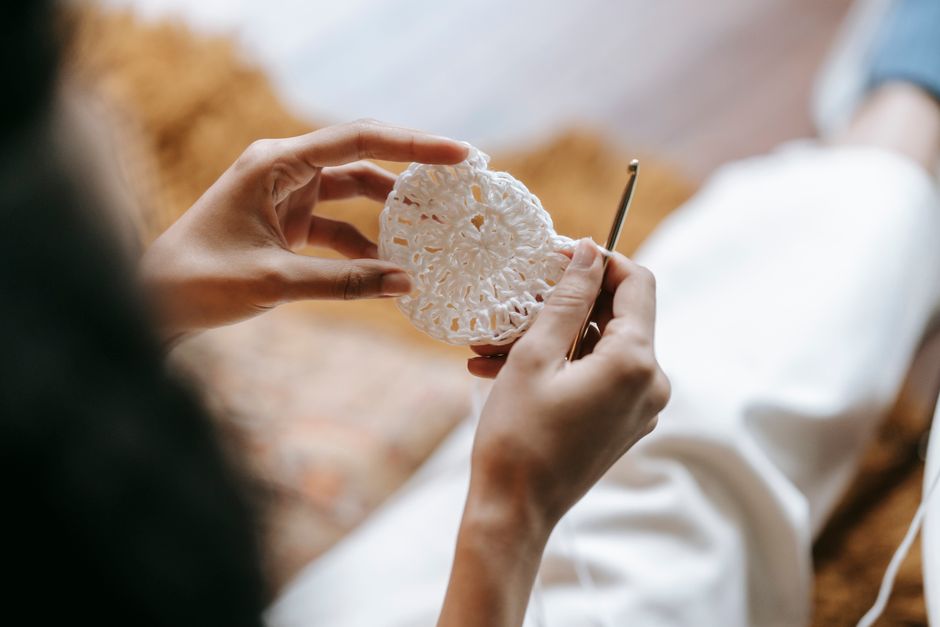
What's the Fastest Way to Make an Animal Look Original Without Redesigning Everything?
Change one face feature (eyelids, cheeks, muzzle shape) and add one quick accessory. Keep the body and limbs the same so you can repeat it.
Do Plush Yarn Animals Sell Better Than Cotton Animals?
Plush often gets faster "cute" reactions in photos, but cotton shows detail better. Choose based on the style you want and what you can make consistently.
Make One Animal Your "Base," Then Build a Whole Line
The easiest way to stand out isn't to crank out more animals. It's to pick one base pattern you love, then create three to five variants with a repeatable signature detail.
If you want patterns built for that kind of customization, we design ours with clear stitch counts, clean shaping, and room for personality. Start with a base animal you can make twice without checking notes, then your shop can grow without burning you out.