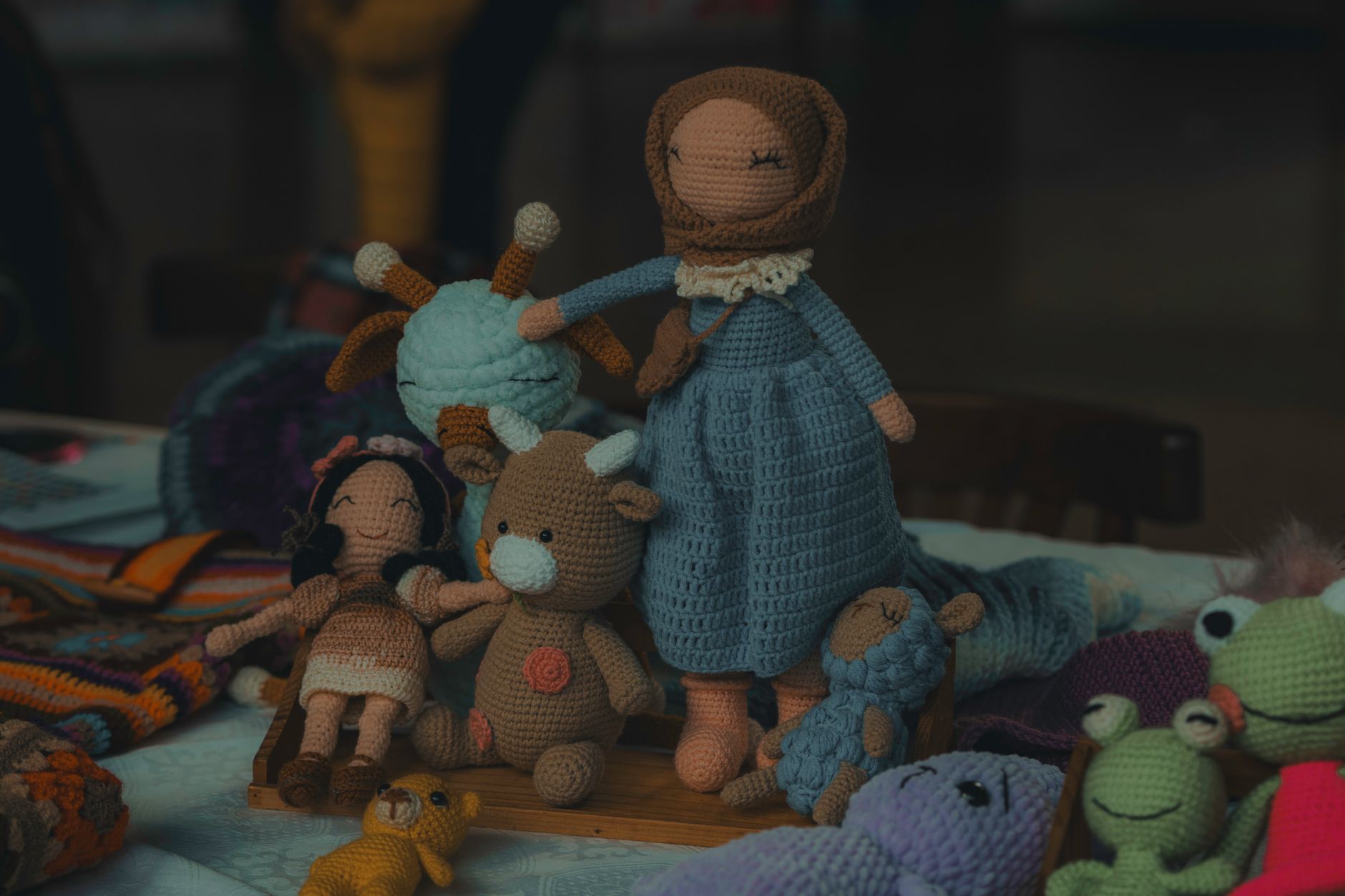
How to Crochet Unique Gift Patterns: Explore Buyable Designs for Any Project
You've got a date on the calendar, a person in mind, and that sinking feeling that a "basic scarf" won't feel personal enough.
If you're searching for how to crochet unique gift patterns, you don't need more vague inspiration. You need a way to pick the right pattern fast, make it look intentional, and avoid the classic gift fails (wrong size, scratchy yarn, or a project that never gets finished).
How to Crochet Unique Gift Patterns Without Overthinking It
We sell crochet patterns, and we see the same thing again and again. The most memorable gifts aren't always the hardest projects. They're the ones that match the person's life.
Use this simple framework to choose a pattern that feels custom, even if you're buying the pattern today.
Step 1: Pick the "Gift Job" First (Not the Object)
A good gift does a job. Warmth, comfort, organization, play, humor, or a daily reminder.
Choose one primary job for your gift:
- Comfort: plushies, pillows, cozy wraps
- Daily use: beanies, mug cozies, keychains, totes
- Decor: plant hangers, garlands, wall pieces
- "I saw this and thought of you": themed amigurumi (crocheted stuffed toys), inside-joke minis
Once the job is clear, the pattern choice gets easier.
Step 2: Match the Pattern Style to the Recipient
Instead of guessing what they'll like, use a quick style match:
- Minimal style: clean shapes, solid colors, tight stitches
- Cute style: rounded shapes, embroidered faces, pastel yarn
- Bold style: high contrast, stripes, texture stitches
- Practical style: washable yarn, sturdy construction, no dangly bits
If you're making for kids or pets, skip safety eyes and tiny add-ons that can pop off. Use embroidered details instead.
Step 3: Choose a Pattern That Fits Your Time, Not Your Mood
Your mood says, "I can totally finish a detailed plush dragon this week." Your calendar says otherwise.
Pick a pattern based on real time you'll have:
- 1 to 2 sittings: small plush, keychain, headband, mug cozy
- A few evenings: hat, mittens, simple tote
- Weekend project: detailed amigurumi, textured wrap, larger plush
If you love complicated builds, keep them for gifts with flexible deadlines.
Step 4: Make It "Gift-Unique" with One Custom Twist
You don't need a whole custom design. Add one personal detail:
- Their colors (not yours)
- A name tag or initials patch
- A tiny accessory (mini hat, flower, bow tie)
- A theme detail (coffee bean charm, tiny book, sports stripe)
This one twist is what makes the gift feel like it was made for them, not just made by you.
A Worked Example: Turning One Pattern Into Three Totally Different Gifts
Let's say you buy one small stuffed animal pattern. Same base pattern, three different people.
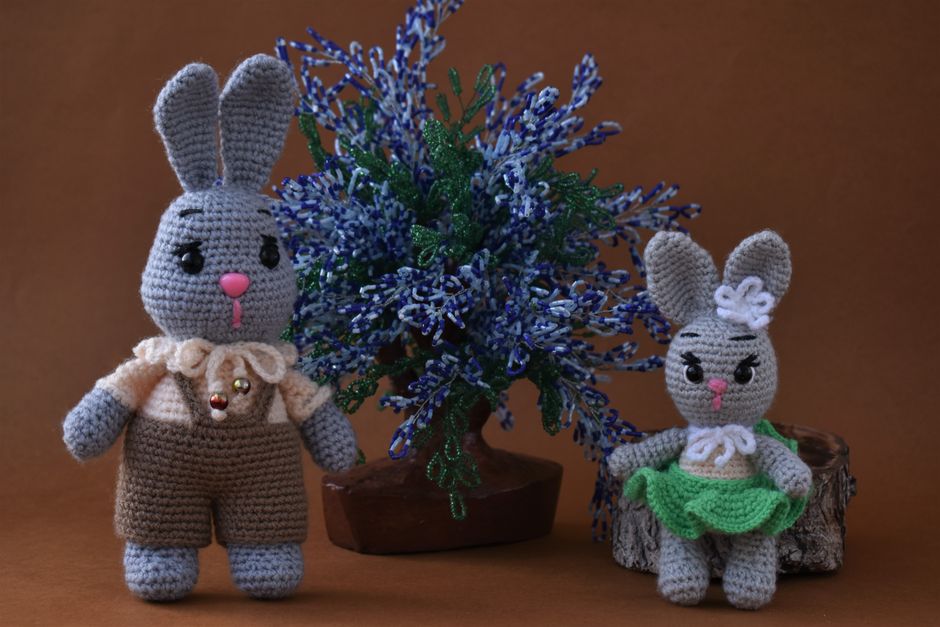
Gift 1: "Desk Buddy" for a Coworker
Goal: cute, quick, not too personal.
- Yarn: smooth acrylic in a neutral body color
- Custom twist: tiny scarf in their favorite color
- Upgrade: add a little weighted pouch inside (poly pellets in a stitched fabric bag) so it sits nicely
This turns a toy into a desk mascot that feels intentional.
Gift 2: "Comfort Plush" for a Kid
Goal: huggable and safe.
- Yarn: soft, machine-washable yarn (avoid fuzzy yarn if you hate sewing parts)
- Custom twist: embroidered sleepy eyes instead of plastic eyes
- Build choice: fewer small pieces, bigger limbs, tighter stitch tension (helps keep stuffing in)
This gift is about safety and durability, not fancy details.
Gift 3: "Shelf Decor" for an Adult Collector
Goal: display-worthy, clean finishing.
- Yarn: cotton or a cotton blend for crisp stitch definition
- Custom twist: themed colors and a tiny accessory (like a mini crown or a bag)
- Finishing focus: invisible decreases, neat sewing, and shaped stuffing
Same pattern, three different outcomes. That's the real trick behind how to crochet unique gift patterns without reinventing the wheel.
If you want more ideas that lean into toy builds, start with buyable crochet patterns for stuffed toys that make great gifts.
Choosing the Right Buyable Pattern: a Fast Decision Guide
Not every pattern is written the same. Some are beginner-friendly. Some assume you already "speak crochet." Here's how to choose patterns you'll actually enjoy making.

Choose a Simpler Pattern If You Want a Guaranteed Finish
Pick simpler patterns if:
- You're gifting on a deadline
- You hate sewing lots of small parts
- You're still building confidence with shaping
Look for patterns that have:
- Fewer pieces
- Clear stitch counts per round
- Photos of tricky steps
- Notes on yarn choice and hook sizing
Choose a More Detailed Pattern If You Want a "Wow" Gift
Go complex if:
- You have time to redo parts
- You enjoy shaping, color changes, and detail work
- The recipient will notice the extra effort
Complex patterns often include:
- Multiple textures or colorwork
- More advanced shaping
- Accessories and add-ons
If you love that "challenge project" feeling, you'll probably enjoy crochet pattern ideas for advanced projects with unique builds.
Watch for These Two Pattern "Gotchas" Before You Buy
- Yarn mismatch: A pattern photo may use a yarn that behaves very differently than what you own.
Cotton shows stitches clearly but can feel stiff. Acrylic is forgiving and soft. Chenille (velvet-like plush yarn) looks adorable but can hide stitches and make counting harder.
- Scale surprises: The same pattern can end up palm-sized or pillow-sized depending on yarn weight.
If the listing doesn't say finished size, check whether it lists yarn weight and hook size. That's your clue.
The Make-It-Look-Expensive Checklist (Even for Simple Gifts)
Most crochet gifts don't look homemade in a bad way because of the pattern. They look messy because of finishing.

These are the steps we never skip when we want a gift to look polished.
Tension, Stuffing, and Shape Come First
- Keep stitch tension steady, especially on amigurumi.
- Stuff in layers, shaping as you go. Don't overstuff the top.
- Use a smaller hook than you would for a drapey fabric, so stuffing won't show.
Seaming Is the Difference Between "Cute" and "Professional"
Take an extra 10 minutes for assembly:
- Pin pieces before sewing (use stitch markers or spare yarn)
- Check symmetry from the front before you commit
- Sew through both loops cleanly, and hide yarn tails inside the piece
If a pattern has lots of limbs, sew them on in the same order every time. It keeps your angles consistent.
Add a Gift Finish That Fits the Recipient
A great gift isn't only the item. It's the moment.
- Add a simple paper tag with care notes (like "hand wash and lay flat")
- Include a small matching charm or mini accessory
- Use a ribbon that matches the yarn color, not a random one
If you sell or gift often, it's worth building a little "gift kit" with tags, ribbon, and a few buttons.
Where Unique Gifts Go Wrong (and How to Avoid It)
Most crochet gift regrets happen for predictable reasons. Here's how to sidestep them.
The Recipient Won't Use It
A fancy decor piece can be risky if you don't know their taste.
Safer choices are items that earn their place by being useful, like a tote, a beanie, or a small plush that sits on a desk.
The Yarn Feels Bad Against Skin
If it touches the neck, face, or hands, softness matters more than stitch definition.
If you're unsure, pick a widely loved, washable yarn and keep textures simple.
The Project Is Too Big for the Deadline
Bigger isn't more meaningful if it ends up unfinished.
If time is tight, go small and add a personal twist. A tiny themed plush plus a good tag often lands better than a rushed blanket.
If you want a wider approach to choosing projects by outcome, our guide how to crochet any item and turn it into a gift can help you think in "end results" instead of random patterns.
Your Next Step: Pick One Pattern and Plan the Personal Twist
Choose one buyable pattern that matches the gift job, the recipient's style, and your real timeline.
Then decide the one detail that makes it theirs, color, accessory, or a small personalization.
That's the repeatable method we use for how to crochet unique gift patterns, and it works for almost any project you can imagine. If you want a specific pattern suggestion for your recipient and deadline, start from one of our stuffed toy designs and we'll build the customization idea from there.