
Half Double Crochet Unique Patterns for Sale: Mastering Textured Designs That Look Custom
The fastest way to make a crochet pattern feel "designed" (not just stitched) is texture that looks intentional. That's why I reach for half double crochet so often when I'm building patterns to sell. It makes fabric that's smooth, sturdy, and easy to shape, and it's forgiving enough that your buyers won't rage-quit halfway through.
This guide shows how we turn that one stitch family into unique patterns people actually buy: what textures sell well, how to choose the right yarn, how to size and grade cleanly, and the common design mistakes that lead to refunds and bad reviews.
Case Study: Turning One Basic Stitch Into Three Products Buyers Notice
A lot of designers get stuck because they think "unique" means "complicated." In practice, unique usually means the fabric has a signature look, the fit is reliable, and the photos match the result.
Here's a real design approach we use: start with one base fabric, then spin it into three pattern types that feel different on purpose.
Product 1: the "Clean Texture" Beanie
Goal: a beanie that holds shape, doesn't show gaps, and looks good in solid colors.
Design choices that make it feel premium:
- Use a ribbing that's worked separately (or with post stitches) so the brim snaps back.
- Keep the body in a tight, even fabric so it looks store-bought.
- Add a crown decrease that doesn't create a pointy "nipple top" (a common issue).
What makes it unique is not a fancy stitch chart. It's the silhouette and the clean top shaping.
Product 2: the "Touch-Me" Bag with Structure
Goal: a bag that stands up and doesn't sag into a sad pouch after two uses.
Design choices that help:
- Build a denser base fabric, then add a texture band (like a raised ridge section) as a design feature.
- Plan for the strap stretch (even yarn that feels firm will lengthen under weight).
- Include an optional lining note, because many buyers want a bag that won't snag.
This is where stitch placement becomes "design." A simple ridge line in the right spot reads like a brand detail.
Product 3: the "Wow" Throw Pillow Cover
Goal: something that looks complex in photos but stays easy to follow.
Design choices that sell:
- Use big, repeating texture panels so the maker feels progress fast.
- Hide seams on purpose (or turn them into a feature).
- Add a clear sizing table for common pillow inserts.
This kind of pattern sells because it photographs well. Texture creates shadows, and shadows create "expensive."
Transition note: once you see how three products can share one fabric idea, it gets easier to design a small collection that looks cohesive in your shop.
A Simple Decision Framework: Choose the Right Texture for the Item
Not every textured fabric belongs in every product. Use this quick "choose A vs B" framework when you're planning patterns for sale.
Choose a Dense, Smooth Fabric If...
- The item needs structure (bags, baskets, slippers).
- The item will be stuffed (plushies, amigurumi accents), because gaps show stuffing.
- You want clean colorwork, since smoother stitches show color changes more clearly.
Choose a Ridge or Rib Texture If...
- The item needs stretch and recovery (hats, cuffs, fitted tops).
- You want "simple but not plain." Ridges do that with very little extra work.
- Your buyers are likely newer crocheters, because the stitch counting stays simple.
Choose a Puffy or Layered Texture If...
- The item is mostly decorative (pillows, wall hangings).
- You want high photo impact from a distance.
- You're okay with extra yarn use (puffier textures eat yardage).
A non-obvious trade-off: the more dimensional your texture is, the more it can "catch" on jewelry, pet nails, and bag contents. That's fine for a pillow. It's annoying on a tote.
If you like designing for gift buyers, texture also affects how "special" the handmade item feels. This pairs well with unique crochet pattern ideas for gifts that wow buyers.
Worked Example: Designing a Sale-Ready Hat Pattern Without Guesswork
Let's build a beanie pattern concept the way we do it in our shop, with steps you can copy.

Step 1: Define the Buyer-Friendly Sizes
Pick 3 to 6 sizes, and name them clearly. For hats, buyers usually understand:
- Child
- Teen
- Adult Small
- Adult Medium
- Adult Large
Decide if your pattern is "negative ease" (finished hat smaller than head so it hugs). Most hats need that hug to stay put.
Step 2: Swatch Like a Designer (Not Like a Student)
Make a swatch larger than you think you need, then measure the center. Edge stitches lie.
Write down:
- stitches per 4 in (10 cm)
- rows per 4 in (10 cm)
- yarn and hook used
Those three lines prevent most support emails later.
Step 3: Calculate Stitch Counts From Head Size
Use this formula:
- Pick a target head circumference for each size.
- Multiply circumference by stitches per inch.
- Subtract a little for negative ease.
- Round to a repeat that matches your texture pattern.
Example with easy numbers:
- If your gauge is 4 stitches per inch and your target head size is 22 inches, you start near 88 stitches.
- If your texture repeat needs a multiple of 2, 88 is perfect.
- If it needs a multiple of 3, you might round to 87 or 90.
The "rounding to repeat" step is what keeps texture panels lining up. That's the difference between homemade and polished.
Step 4: Write Instructions the Way Buyers Use Them
Buyers don't read like designers. They skim, then panic, then re-read.
So we write:
- One clear setup round/row.
- A repeat section in plain language.
- A "check your size now" note before crown decreases.
Also, always name your stitch counts at the end of a round. It reduces mistakes and saves you messages.
Transition note: once your sizing math is solid, the next thing that makes a pattern "worth buying" is yarn guidance that matches the item.
Yarn and Hook Choices That Make Your Pattern Feel High-End
Yarn choice is part of the design, not an afterthought. A textured stitch can look crisp in one yarn and blurry in another.
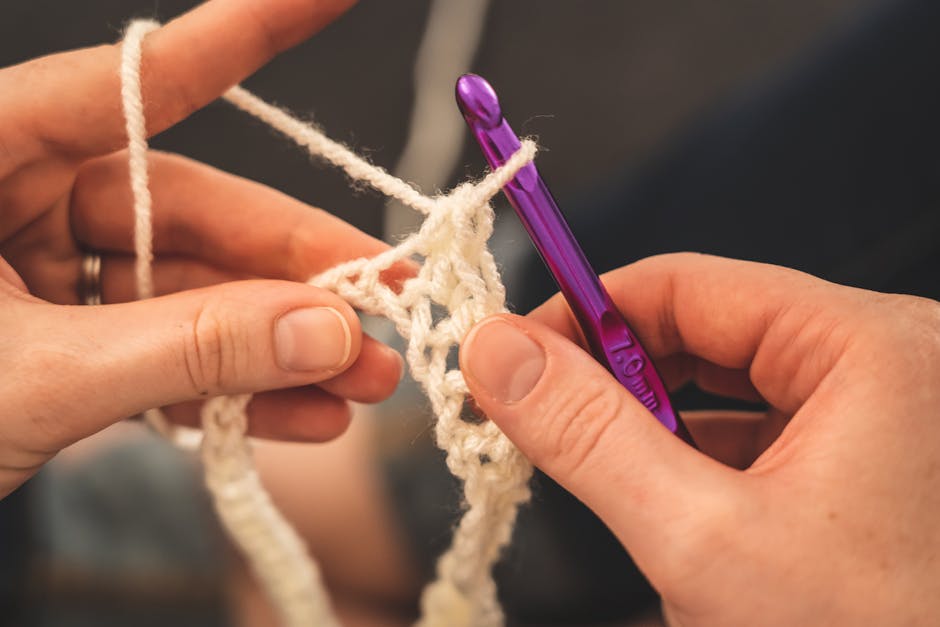
Here's how we match yarn to product, in plain terms.
For Clean, Sharp Texture
- Choose smooth yarn (tight twist, fewer fuzzy fibers).
- Avoid very fluffy novelty yarns for instruction-heavy patterns.
Smooth yarn shows stitch definition. That means your listing photos match what buyers make.
For Cozy, Soft Drape
- Choose a slightly fuzzy yarn (some halo is fine).
- Use a hook size that creates fabric that bends easily.
This is great for scarves and blankets. It's less great for bags, because the fabric can stretch.
For Structure and Shape
- Choose cotton or a cotton blend for bags and baskets.
- Consider going down a hook size to tighten the fabric.
Cotton can feel stiff at first, but it wears in nicely. It's a common "pro choice" for items that need to hold their form.
One caveat buyers appreciate: let them know that yarn substitutions change size. If they use a thicker yarn, the item grows. If they use a thinner yarn, it shrinks.
If your patterns include seasonal color palettes and items like stockings, ornaments, and textured decor, this topic connects well with crochet patterns for seasonal items that sell well.
Make Your Patterns "Sale-Proof": Clarity, Photos, and Support Edges
The stitch work matters, but pattern quality is what protects your shop long term.
These are the most common issues we see when people try selling patterns for the first time, plus how to fix them.
Problem: Buyers Get Lost in Repeats
Fix:
- Use a bold "Repeat" line.
- Put repeat counts in parentheses.
- Break long repeats into two smaller steps.
Problem: the Texture Looks Different in Buyer Photos
Fix:
- Add a note about turning chains, stitch placement, and whether you work in the back loop only (BLO) or both loops.
- Include one close-up photo of the fabric.
That one photo prevents the "mine doesn't look like yours" message.
Problem: Sizing Complaints
Fix:
- Put finished measurements in a table.
- Tell buyers how to adjust length or width.
- Add a short "fit check" step before closing seams or starting decreases.
Problem: Yarn Cost Surprises
Fix:
- Provide an estimated yardage range by size.
- Mention that highly textured versions use more yarn.
No need for exact grams if you don't have them. A honest range is still helpful and realistic.
FAQ
Can I Sell Finished Items Made From Your Patterns?
Yes, for most independent pattern sellers it depends on the pattern's license terms. We always recommend reading the specific listing terms before you sell finished pieces.
Why Does My Texture Look Slanted or Uneven?
This usually comes from inconsistent tension or from adding or missing stitches at the edges. Counting at the end of each row and using a stitch marker on the first stitch helps a lot.
What's the Easiest Product to Start Selling with Textured Stitches?
Hats and headbands are a strong starting point. They're small, they work up fast, and buyers love a texture that looks "custom" without being hard.
If you want patterns that are designed to be readable, photo-friendly, and actually fun to make, that's what we sell at artncraftartncraft.art. Start with one texture idea, build a small collection around it, and you'll have listings that look like they belong together in a real brand.