
Easy Crochet Patterns for Stuffed Toys: Master Unique Plushies That Sell
You followed a cute pattern, your stitches look fine, and the toy is still not selling.
That usually means the pattern isn't the problem. The "sellability" is. With easy crochet patterns for stuffed toys, the difference between "nice" and "I need that" often comes down to choices you make after the basic steps, like shape, color story, facial style, and finishing.
This guide is a problem-solution playbook. We'll start with what makes a stuffed toy sell, then show how to get there using simple patterns you can actually finish.
Why "Easy" Toys Often Don't Sell (and How to Fix It)
Easy patterns are popular because they're fast and forgiving. The downside is that lots of makers use the same beginner shapes, same safety eyes, and the same 10 colors.
The fix is not making the pattern harder. The fix is making the result more specific.
Here are the most common reasons a plush doesn't move, plus the simple upgrade that fixes it:
- It looks like every other plush on the table. Fix: add one signature detail that reads from 6 feet away (a bow, striped belly, big ears, a hood, a tiny accessory).
- The face feels "off." Fix: move the eyes lower and farther apart for cuter proportions, and embroider a simple mouth (even a tiny "v" changes everything).
- It doesn't photograph well. Fix: choose high-contrast colors, and use a matte yarn that doesn't glare under lights.
- It feels flimsy in the hand. Fix: tighter stitch, more stuffing in the head, and add weight (poly pellets in a sealed pouch) for "heft."
- The theme is generic. Fix: make a clear category choice: "woodland," "ocean," "kawaii," "spooky cute," "farm," or "retro."
A buyer decides in seconds. Your job is to make the toy readable fast: what it is, what vibe it is, and what makes it different.
Choosing Easy Crochet Patterns for Stuffed Toys That Actually Sell
Not every beginner-friendly plush pattern is a good product. Some are great practice, but frustrating as inventory.

We choose patterns with three "selling traits": consistent shape, simple repeat sections, and easy customization zones.
A Quick Decision Framework
Pick the pattern type based on what you want to optimize.
- Choose "one-piece, minimal sewing" patterns if you want speed and consistency. Great for markets and restocks.
- Choose "separate limbs, more sewing" patterns if you want personality. Limbs give you poses, movement, and styling.
- Choose "big head, small body" (chibi) patterns if you want instant cuteness. Faces are easier to place, and buyers react fast.
- Choose "flat, simple shapes" (like no-sew blobs) if you want keychains and impulse buys. They're quick, but you must nail the details.
What to Look for in a Pattern Before You Commit
You can save hours by scanning for these details up front:
- Clear stitch counts every round. If the pattern doesn't check itself, you'll spend time debugging.
- Few color changes. Color changes add finishing time, and finishing is where profit disappears.
- A clean muzzle or belly panel option. That area is a customization goldmine.
- Room for a "signature accessory." A tiny hat, scarf, or hood can become your brand.
If you want a deeper skill walkthrough on plush construction (especially shaping and assembly), our guide on how to crochet stuffed animals patterns that sell pairs well with this one.
The "One Signature Detail" Method (Worked Example)
Most people try to make a plush unique by making it complicated. We do the opposite. We keep the base pattern easy, then add one detail that looks intentional.
Here's a worked example you can copy with almost any small animal pattern.
Example: Turn a Basic Bear Into a "Forest Scout Bear" (Without Changing the Body)
Base: any easy bear with a round head and small body.
Goal: a toy that reads as themed and giftable, not generic.
Signature detail: a removable hood and a tiny "field bag" strap.
- Pick a tight, clean base yarn. Worsted weight cotton or cotton blend gives crisp stitches.
- Crochet the bear exactly as written. Don't redesign the base. Keep it repeatable.
- Add a hood (simple tube + taper).
- Add a bag strap (surface crochet or sewn chain).
- Change only one color placement. Keep the bear neutral, then make the hood a strong color (moss green, rust, mustard).
- Face tuning (the make-or-break step).
Why this sells better: it creates a story. Buyers don't just see "bear." They see "little adventurer." Story is a shortcut to value.
This same method works for whales (add a sailor cap), bunnies (add a bandana), frogs (add a raincoat collar), and cows (add a flower crown).
Materials, Finishing, and Safety Details Buyers Notice
A buyer may not know stitch names, but they notice feel, firmness, and whether the toy looks "clean." That's finishing.
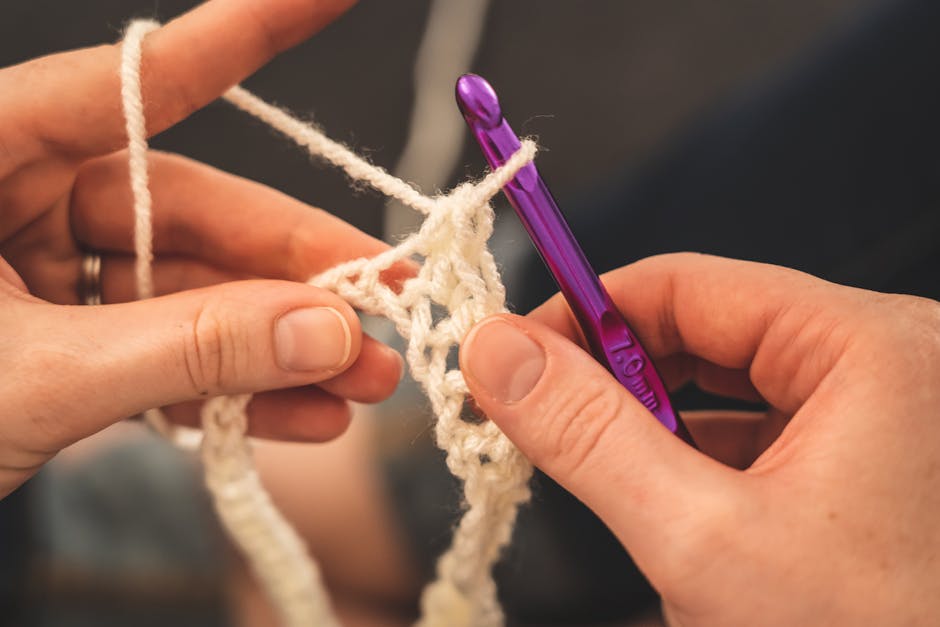
Yarn Choices That Help You Sell (Not Just Crochet)
We match yarn to the product experience:
- Cotton or cotton blends for crisp stitches and modern, clean plush looks.
- Acrylic for budget-friendly softness and lots of colors.
- Chenille/velvet yarn for ultra-soft "squish," but it hides stitches and can be harder to frog (undo).
If you want a simple way to pick yarn by texture, stitch look, and use case, see how to choose crochet yarn types for plush and gift patterns.
Stuffing and Structure
Most "lumpy plush" problems come from under-stuffing the head and over-stuffing the body.
Try this:
- Stuff the head firmly so the face stays smooth.
- Stuff the body medium so it's cuddly, not rock-hard.
- Add a small weighted pouch at the bottom if you want it to sit nicely (especially for desk toys).
Safety Eyes vs Embroidery (and What to Say to Buyers)
Safety eyes are popular, but they're not the best choice for every customer.
- Safety eyes look polished and fast.
- Embroidered eyes are great for baby gifts and softer styles.
If you sell toys intended for children, be careful with small parts. In the US, toys for kids under 3 are treated as having special safety considerations (small parts are a choking hazard). If you want the exact language and context, review the Consumer Product Safety Commission small parts rule overview.
We're not giving legal advice here. If you plan to market toys for babies or toddlers, check your local rules and label clearly.
The Finishing Checklist That Separates "Handmade" From "Homemade"
Before you list or put a plush on a table, run this quick check:
- Weave in ends so they can't wiggle out.
- Shape the toy with your hands, especially the head and snout.
- Make sure both eyes are level and evenly spaced.
- Brush or lint-roll the toy if the yarn picks up fuzz.
- Photograph on a simple background with one close-up of the face.
Finishing is boring, but it's where your price becomes believable.
Pricing and Product Planning Without Burning Out
Easy plush patterns can be a great product line, but only if you plan for repeatability.
We think in "sets," not one-offs. A set gives you variety with less brain work.
Build a 3-Tier Lineup
- Tier 1: Quick minis (keychains, pocket plush). Low time, good impulse buys.
- Tier 2: Core plush (your main size). This is your consistent seller.
- Tier 3: Statement plush (bigger, extra detail). Fewer sales, higher price, great for attention.
Then pick one theme per drop (ocean, forest, spooky, pastel). You can reuse the same base shapes and change colors and accessories.
Time Math That Keeps You Honest
If a plush takes longer than you think, your pricing will feel "too high" because you're undercounting labor.
Track three times for one toy:
- Crochet time
- Assembly time (sewing, eyes, shaping)
- Finishing time (weaving ends, touch-ups, photos)
Most makers forget #2 and #3. Those two decide profit.
If you'd rather skip the trial-and-error phase, we sell patterns designed to be clear, repeatable, and customizable. Start with buy detailed crochet patterns online for gift-ready makes.
FAQ
How Do I Make a Stuffed Toy Look Unique If I'm Using a Common Pattern?
Pick one signature detail and repeat it across a collection. Think hood, bandana, belly motif, or a specific eye style. Consistency reads like a brand.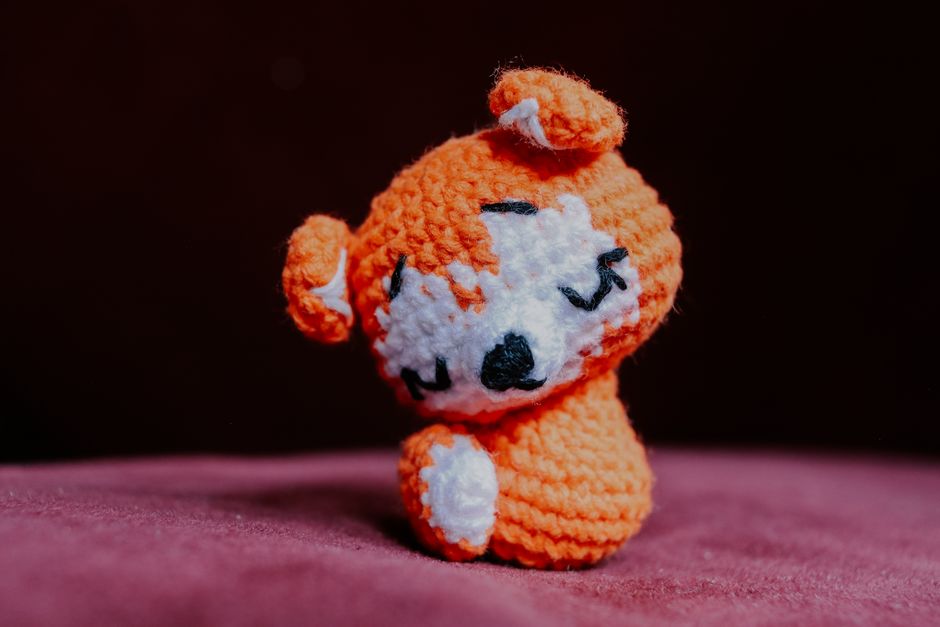
What's the Easiest Way to Improve Plushie Photos for Selling?
Use indirect daylight, a plain background, and take one close-up of the face. High contrast colors help the shape show up on camera.Is Chenille Yarn a Good Idea for Beginner Plush That I Want to Sell?
It can be, but it hides stitch mistakes and it's harder to fix if you mess up. If you want speed and a clean look, start with cotton or acrylic first.Should I Use Safety Eyes or Embroider the Eyes?
Safety eyes look crisp and save time. Embroidered eyes are great for softer styles and for customers who avoid hard parts. If you market to young kids, research safety guidance and label clearly.Your Next Step: Make One Base, Then Make It Yours
If you only change one thing after reading this, make it this: stop hunting for a "perfectly unique" pattern.
Pick a strong, easy base. Repeat it until it's fast. Then add one signature detail that turns it into your style.
That's how easy crochet patterns for stuffed toys turn into plushies people recognize, gift, and come back to buy again.