
Best Yarn Types for Crochet Stuffed Animals: Top Picks and Patterns to Buy Now
Your plushie is perfect... until you stuff it and the stitches stretch open, the fuzz starts pilling, or the face embroidery sinks into a furry blur.
If you're trying to choose the best yarn types for crochet stuffed animals, pick based on the "job" the yarn needs to do: show clean stitches, hide stuffing, survive hugs, and still match the pattern you want to buy.
The Fast Decision Framework (Choose a If..., Choose B If...)
Most yarn advice for amigurumi (crochet stuffed animals) is too broad. Here's the quick framework we use when we're choosing yarn for a specific plushie design.
Choose smooth cotton if you want:
- Crisp stitch definition (you can see every single stitch)
- Clean color changes and sharp details
- A "classic" amigurumi look that holds shape
Choose soft acrylic if you want:
- Budget-friendly yarn in lots of colors
- Easy care (often machine washable)
- A slightly softer, squishier feel than cotton
Choose chenille/velvet-style yarn if you want:
- Maximum plush, "store-bought stuffed animal" softness
- A fast-looking finish (big, cozy fabric feel)
Choose a cotton-acrylic blend if you want:
- A middle ground: definition plus softness
- Less splitting than some cottons, less squeak than some acrylics
Then sanity-check your choice against two deal-breakers:
- Stitch visibility: If you can't clearly see your loops, you'll struggle with shaping, counting, and details.
- Stuffing show-through: If your fabric stretches, you'll see white stuffing peeking out.
This is why the same pattern can look sharp in cotton, but "melt" into a blob in fluffy yarn.
Top Yarn Choices for Plushies (with Real Trade-Offs)
You can crochet a stuffed animal with almost any yarn, but not every yarn will give you the look a pattern photo promises.
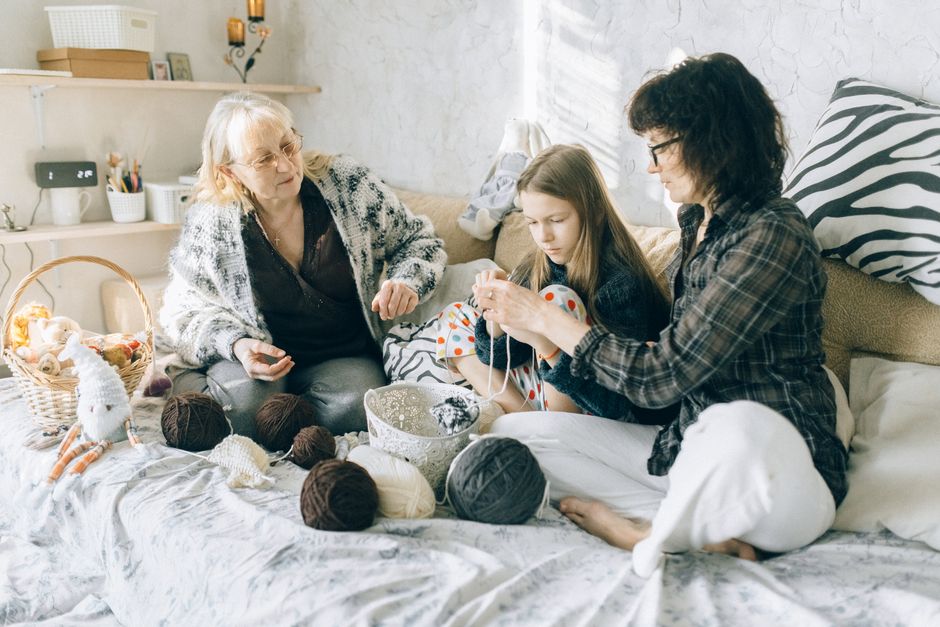
Smooth Cotton (Best for Detail and Clean Shapes)
Cotton is the yarn we reach for when a plushie has small parts, neat stripes, or a face that needs to read clearly from across the room.
What cotton does well:
- Makes tight, clean stitches that show shaping and decreases
- Holds crisp edges (ears, snouts, paws)
- Handles embroidery details nicely
What to watch out for:
- Some cotton feels stiff until it's handled a lot
- It can be tiring on hands if you crochet tight
- It can show every wobble, so tension matters
Best match patterns: detailed animals, dolls, anything with colorwork.
Acrylic (Best for Affordable, Everyday Plushies)
Acrylic is the "workhorse" option. It's widely available, comes in every color, and can still look great with the right hook size.
What acrylic does well:
- Soft and lightweight
- Usually easier on hands than stiff cotton
- Great for large plushies where you need lots of yarn
What to watch out for:
- Can pill (tiny fuzz balls) with heavy use
- Some acrylics split, which makes tight amigurumi slower
- Heat can damage acrylic, so don't "steam block" it like wool
Best match patterns: beginner-friendly plushies, big cuddly bodies, simple shapes.
Chenille/velvet (Best for Ultra-Cuddly, Gift Plushies)
Chenille makes plushies feel like a cloud. It also hides stitches, which can be both a gift and a problem.
What chenille does well:
- Feels amazingly soft
- Gives instant "professional plush" vibes
- Makes larger plushies fast because the yarn is thick
What to watch out for:
- Harder to see stitches, counting becomes slow
- Can "worm" (stitches look like they pop out) if tension is loose
- Magic ring starts can be tricky, and frogging (undoing) can damage the yarn
Best match patterns: simple shapes, low-detail animals, plushies where texture is the star.
Blends (Best for Balanced Results)
Blends can be the sweet spot if you want softness without losing all stitch definition.
What blends do well:
- Often less splitty than pure cotton
- Often more defined than fuzzy yarns
- Good drape without going floppy
What to watch out for:
- One brand's "blend" can behave totally differently than another
- Color matching can be harder if you need exact shades later
Best match patterns: "one pattern, many sizes" designs, animals with both shaping and softness.
Worked Example: Picking Yarn for the Same Plushie in Three Styles
Let's say you're buying a crochet stuffed animal pattern for a bunny that has: a round head, long ears, a small snout, and embroidered eyes.
Here's how your yarn choice changes the final look and the build experience.
Option 1: Smooth Cotton Bunny (Photo-Accurate, Clean Details)
- Use: smooth cotton in a worsted or sport weight (match the pattern)
- Hook: go smaller than the label suggests so the fabric is tight
- Result: stitches look crisp, shaping is obvious, face details stand out
Trade-off: it'll feel more "structured" than squishy.
Option 2: Acrylic Bunny (Soft, Budget-Friendly Gift)
- Use: soft acrylic in the same weight as the pattern
- Hook: still size down for tight fabric
- Result: slightly softer body, still readable stitches, easier on hands
Trade-off: heavy cuddling can lead to pilling, especially on the tummy and cheeks.
Option 3: Chenille Bunny (Super Plush, Simplified Details)
- Use: chenille in a thicker weight, or a chenille that matches the pattern's thickness
- Hook: size down, and keep tension firm to reduce "worming"
- Result: insanely cuddly plush, but small features blur
Trade-off: you may need to change the face plan. Safety eyes can get lost in fluff, and tiny embroidered smiles can disappear.
A practical fix: if a chenille plushie needs a face to "pop," use bigger eyes, thicker embroidery yarn, or add a felt backing (hand-stitch it on).
This is the part many patterns don't say out loud: the yarn can force design changes. That isn't failure. It's just making the pattern fit the fabric you chose.
Pattern Buying Tips so Your Yarn and Pattern Match
A great pattern plus the wrong yarn can be a frustrating build. Here's how we recommend you shop patterns and yarn together.
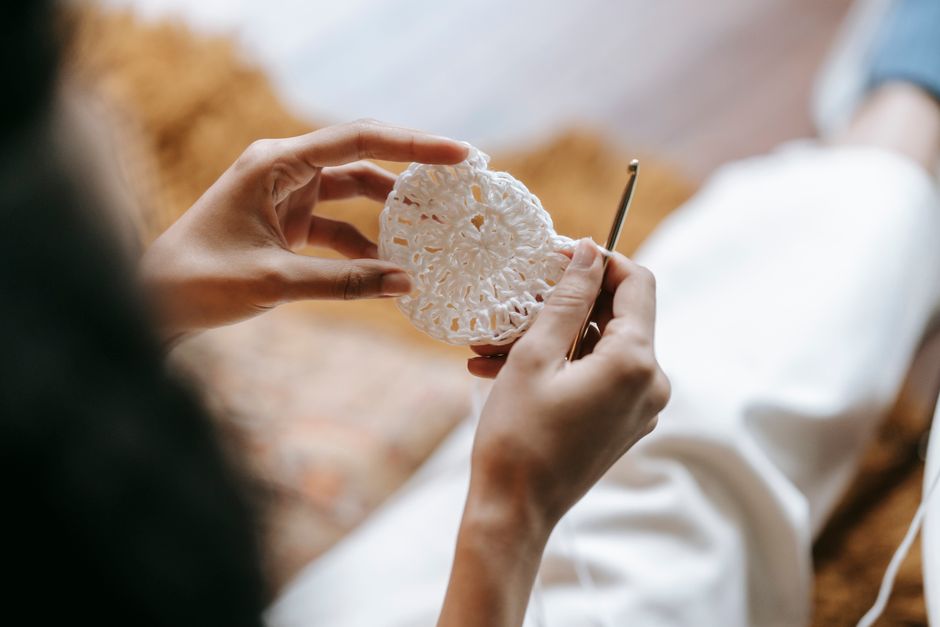
Check These Three Pattern Notes Before You Buy Yarn
- Yarn weight and yardage: Weight is the thickness category. Yardage is how much you need. Don't swap weight unless you expect the size to change.
- Recommended hook size: For plushies, you almost always want a tighter fabric than standard scarves or blankets.
- Construction style: Lots of small pieces and sewn-on parts tend to look best in smooth yarns.
If you're buying patterns to make your own lineup of plushies, you'll probably like how to crochet stuffed animals patterns and sell unique plushies because it focuses on designs that look good across different styles.
A Simple "Swatch Test" That Saves Hours
Before you commit to a whole plushie, crochet a small ball or flat circle with your chosen yarn and hook.
You're checking for:
- Stuffing show-through: Stretch it gently. If you see gaps, go down a hook size.
- Stitch clarity: If you can't count stitches, choose a smoother yarn or add a stitch marker every round.
- Durability feel: Rub it between your fingers. If it pills instantly, pick a sturdier option for kid gifts.
This 10-minute test prevents the classic problem of finishing a head, stuffing it, and realizing it looks "holey."
If You're Making Plushies for Kids, Don't Ignore Safety Details
If the plushie is for a very young child, think carefully about parts that can come loose. Embroidered eyes are often a safer choice than hard plastic safety eyes for babies and toddlers.
For U.S. makers selling toys, you may also want to read the CPSC small parts guidance and consider professional testing if you're selling at scale.
Quick Yarn Pairings for Common Stuffed Animal Styles
Different animals "want" different fabrics. Use these pairings as a starting point.
- Tiny keychain animals: smooth cotton or a smooth blend (helps detail stay readable)
- Chunky cuddle plushies: chenille/velvet (simple shapes, big features)
- Farm animals with spots or stripes: cotton (clean color changes)
- Dolls with clothes: cotton for the body, softer yarn for outfits if you want drape
If you love unusual builds and want patterns that lean into texture, shaping, and personality, browse crochet pattern ideas for advanced projects and pick yarn based on what you want the details to look like.
FAQ
What Hook Size Should I Use for Crochet Stuffed Animals?
Most plushies look best with a smaller hook than the yarn label suggests. A tighter hook helps stop stuffing from showing. If your stitches still look gappy, drop another hook size.

Can I Swap Cotton for Chenille in the Same Pattern?
You can, but expect the size to change and the details to soften. You may need to simplify the face, use bigger eyes, or change embroidery thickness.
Why Does My Plushie Look Stretched After Stuffing?
Your fabric is too loose for the stuffing amount. Use a smaller hook, tighten tension, or add a slightly thicker yarn. Also avoid over-stuffing small parts like arms.
Pick Yarn Like a Designer, Not Like a Shopping List
The best yarn choice isn't the fanciest skein. It's the yarn that matches your pattern's level of detail, the feel you want, and who the plushie is for.
If you want a plushie that looks exactly like the pattern photos, start with a smooth yarn and a tight hook. If you want the softest hug possible, go chenille and plan bigger, bolder features.
We design and sell crochet patterns with yarn behavior in mind, so you can get the look you're aiming for without trial-and-error every time.